
Last updated November 17, 2026
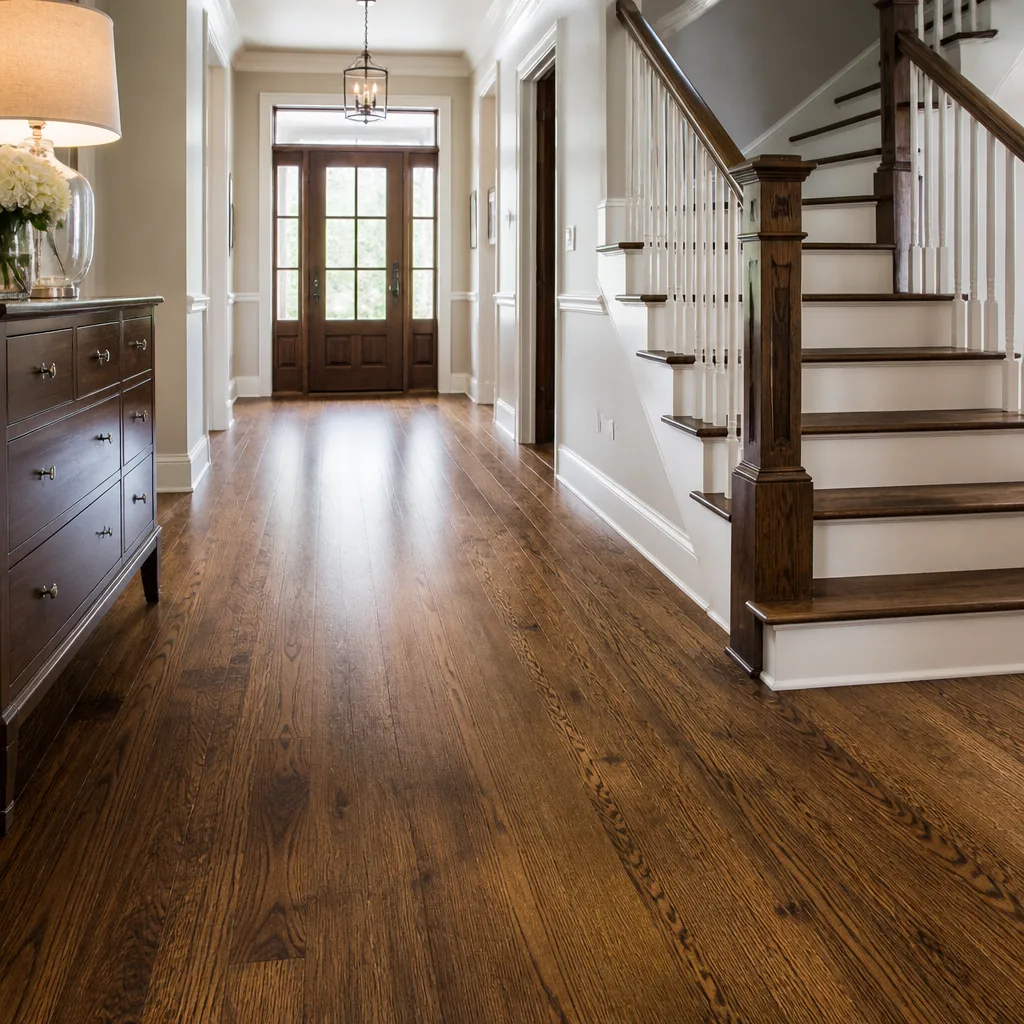 Hardwood
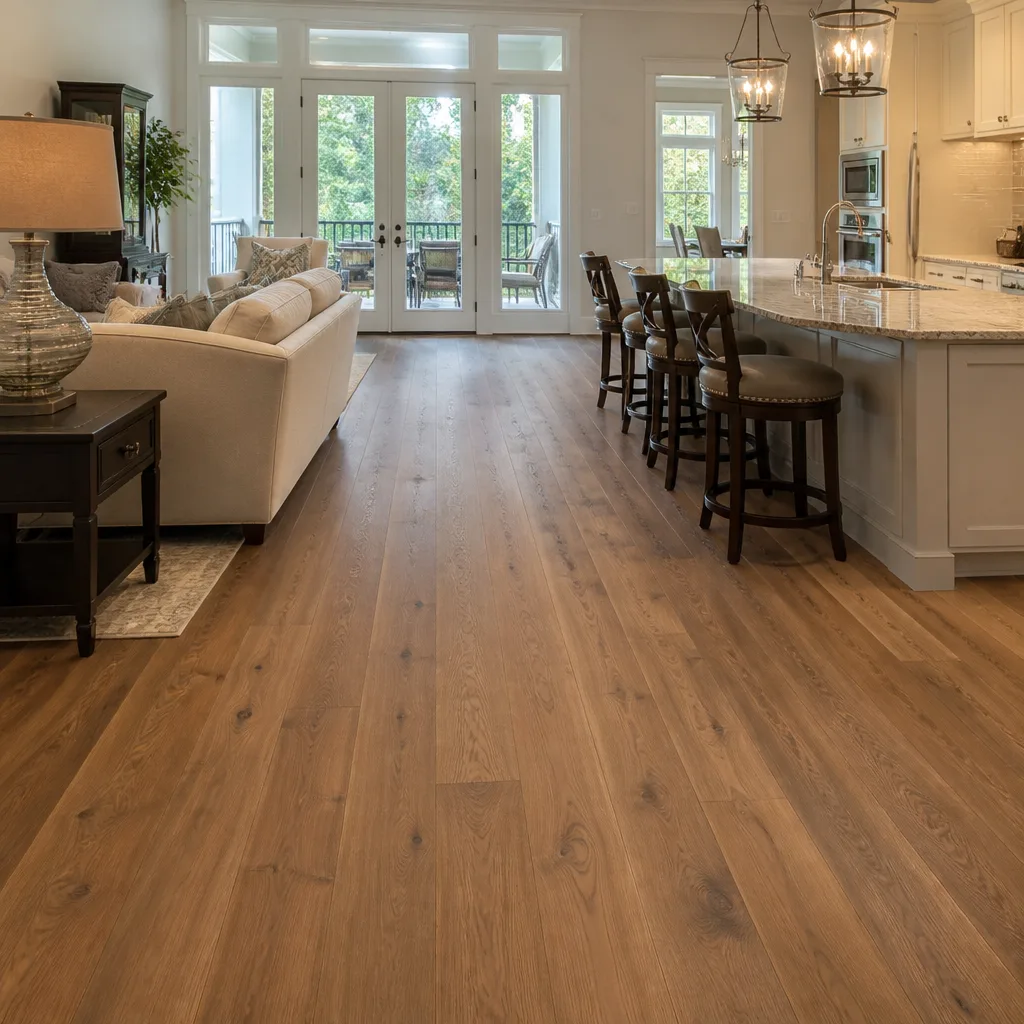 Engineered hardwood
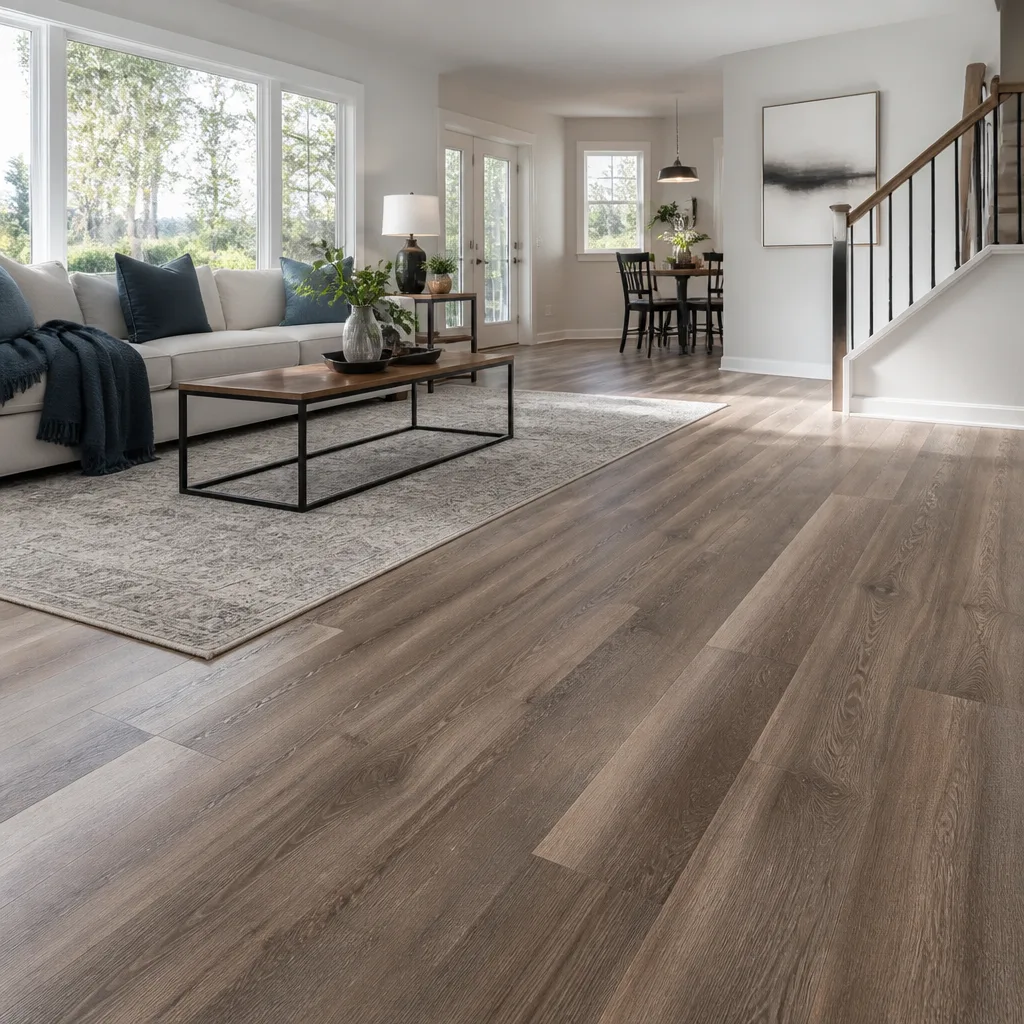 Luxury vinyl plank
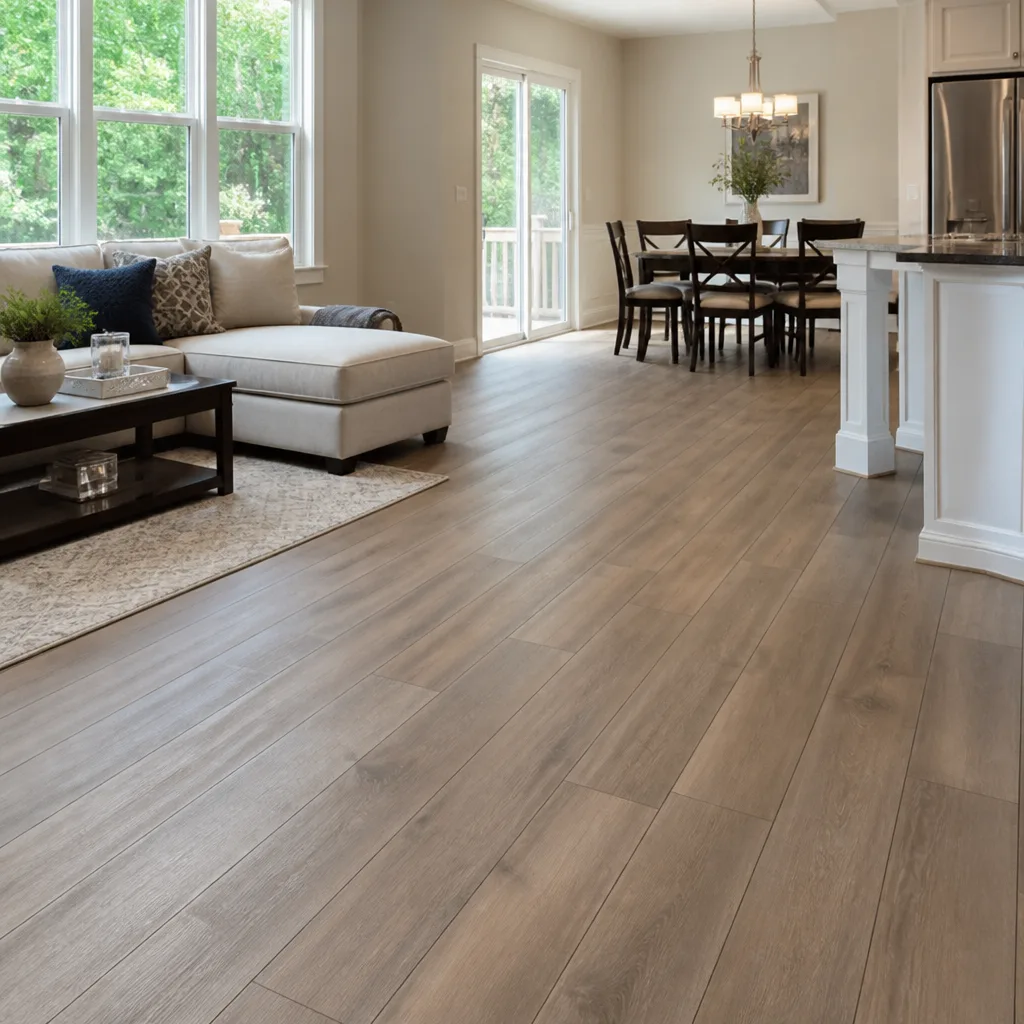 Laminate
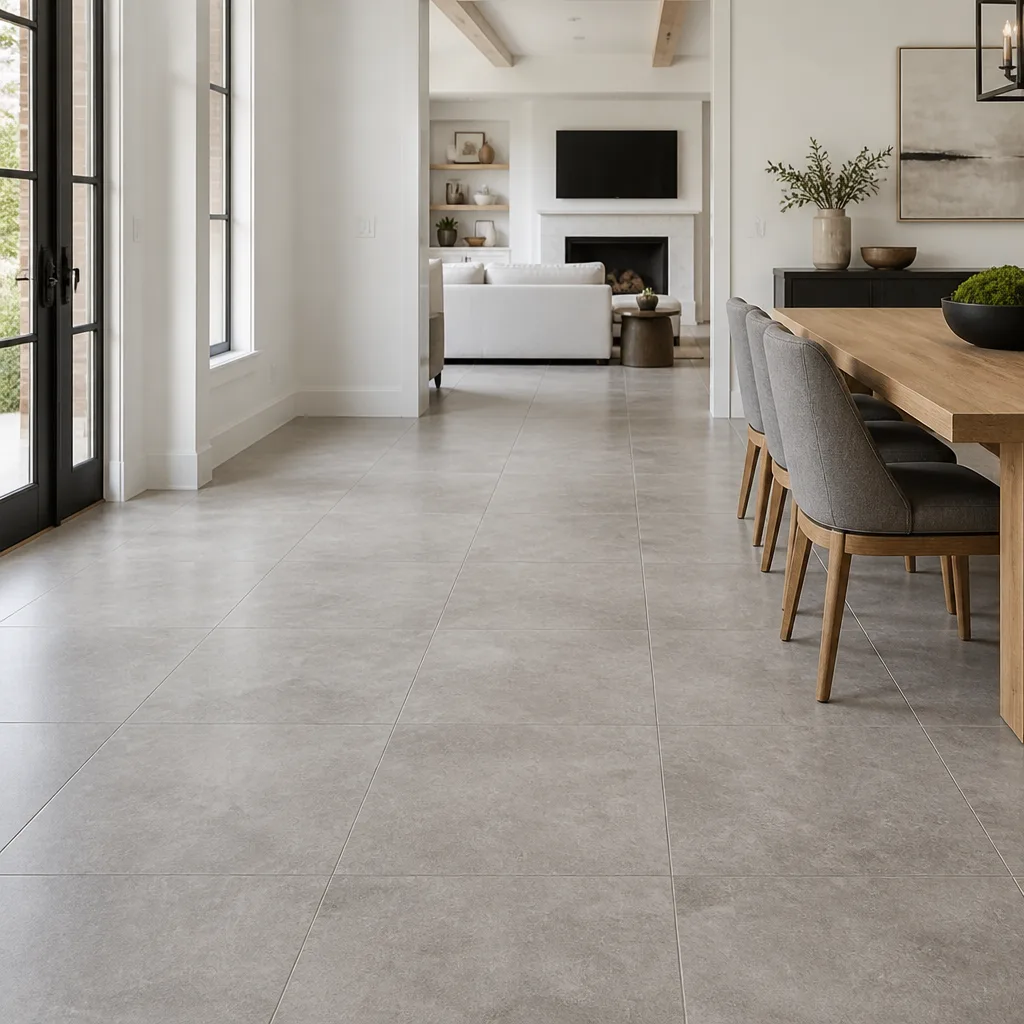 Porcelain tile
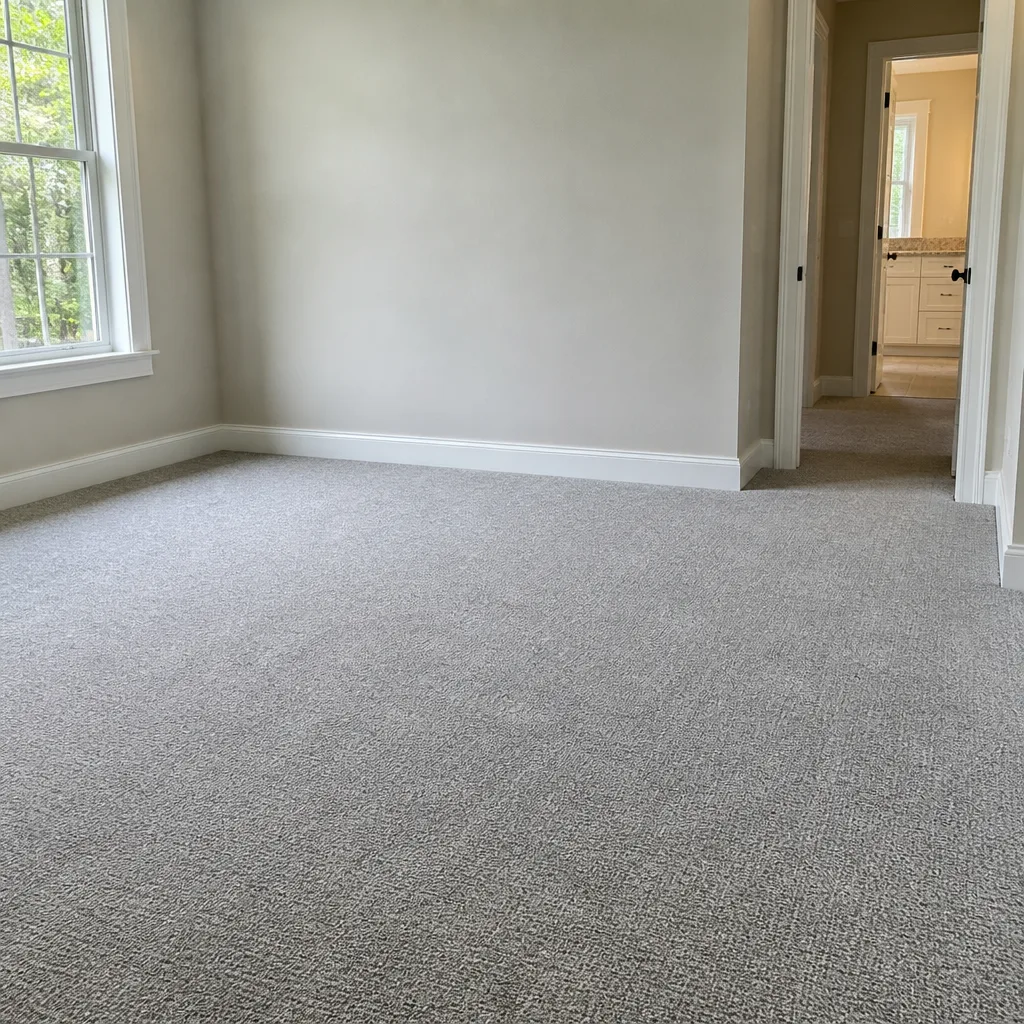 Carpet
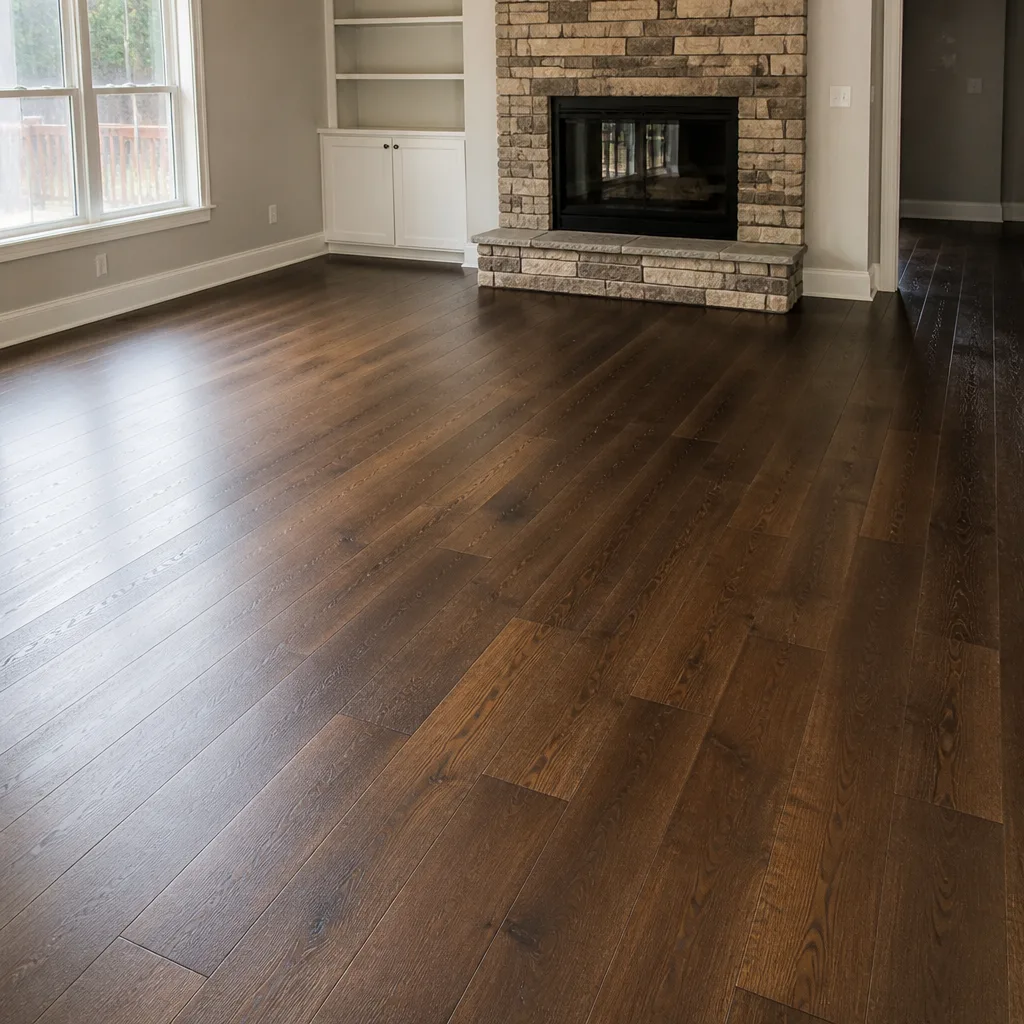 Shaw
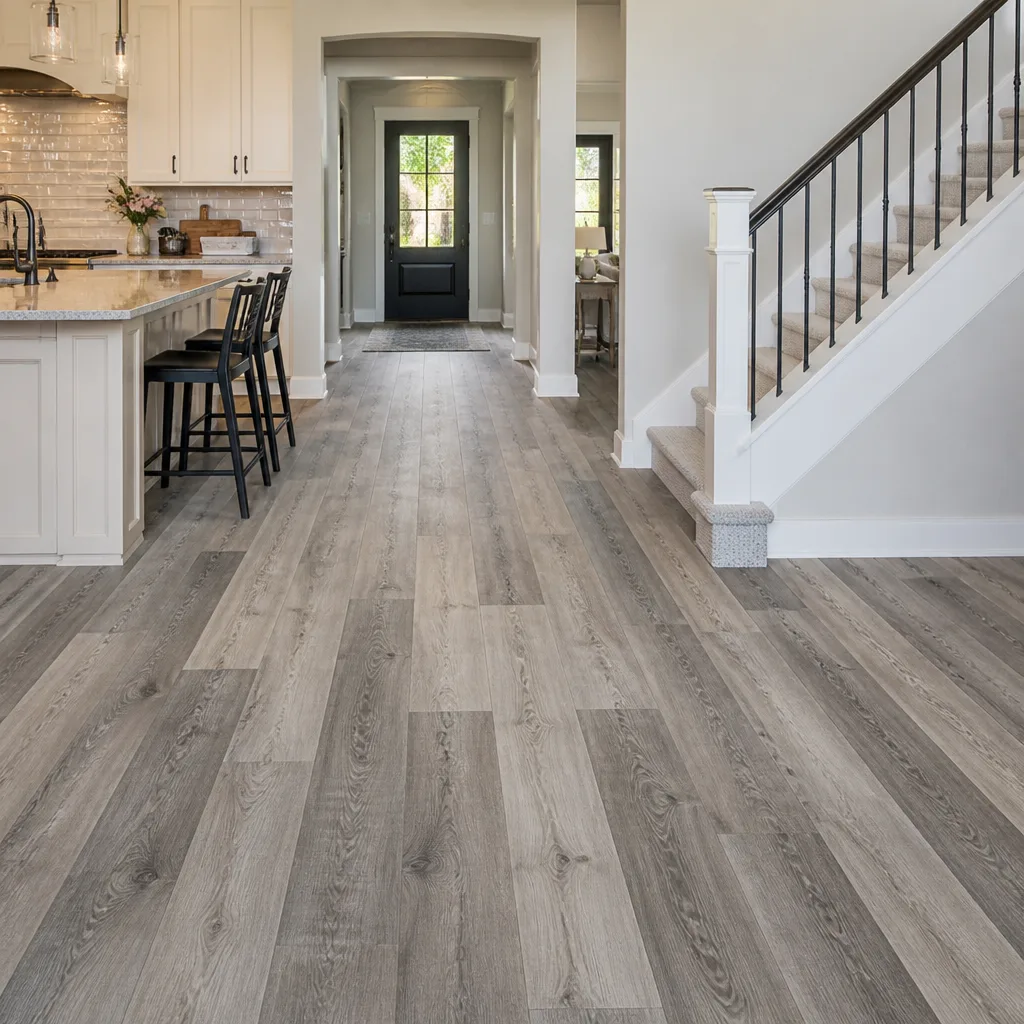 Mohawk
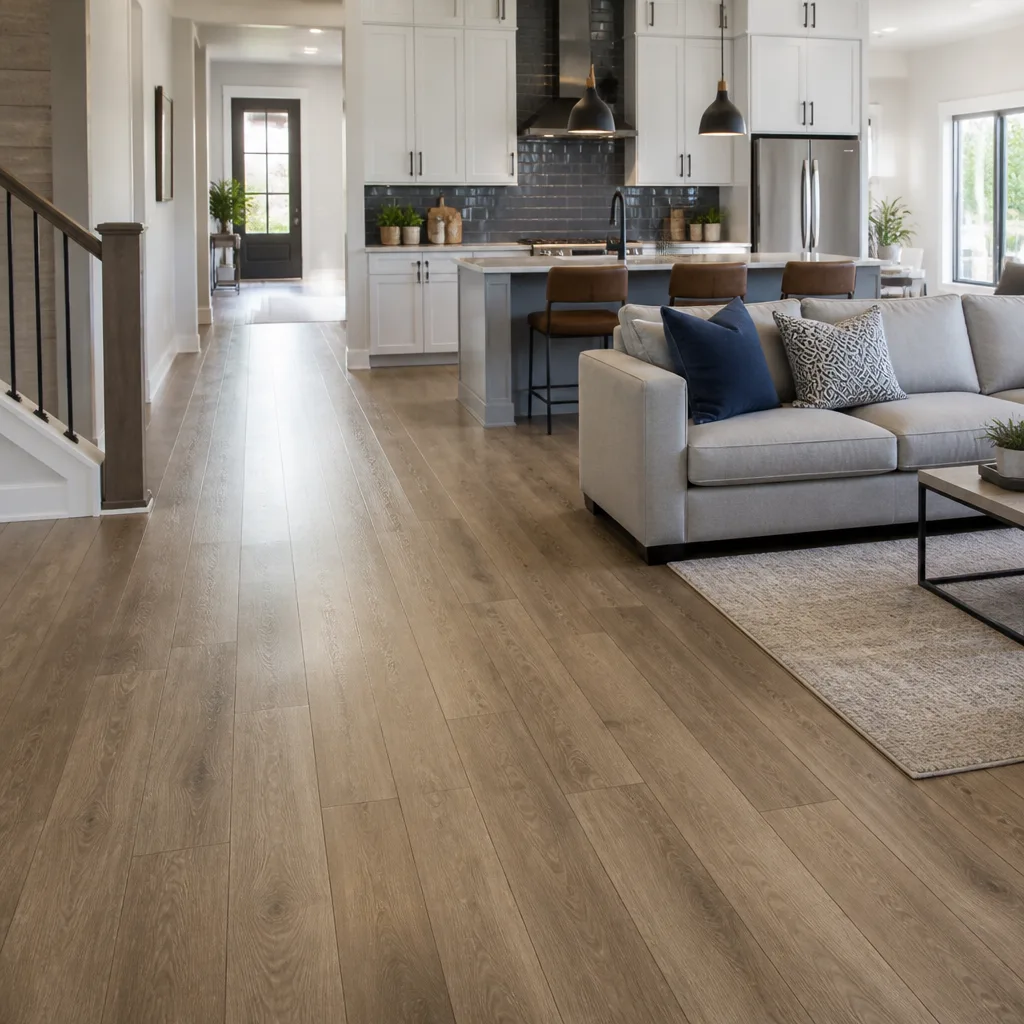 COREtec
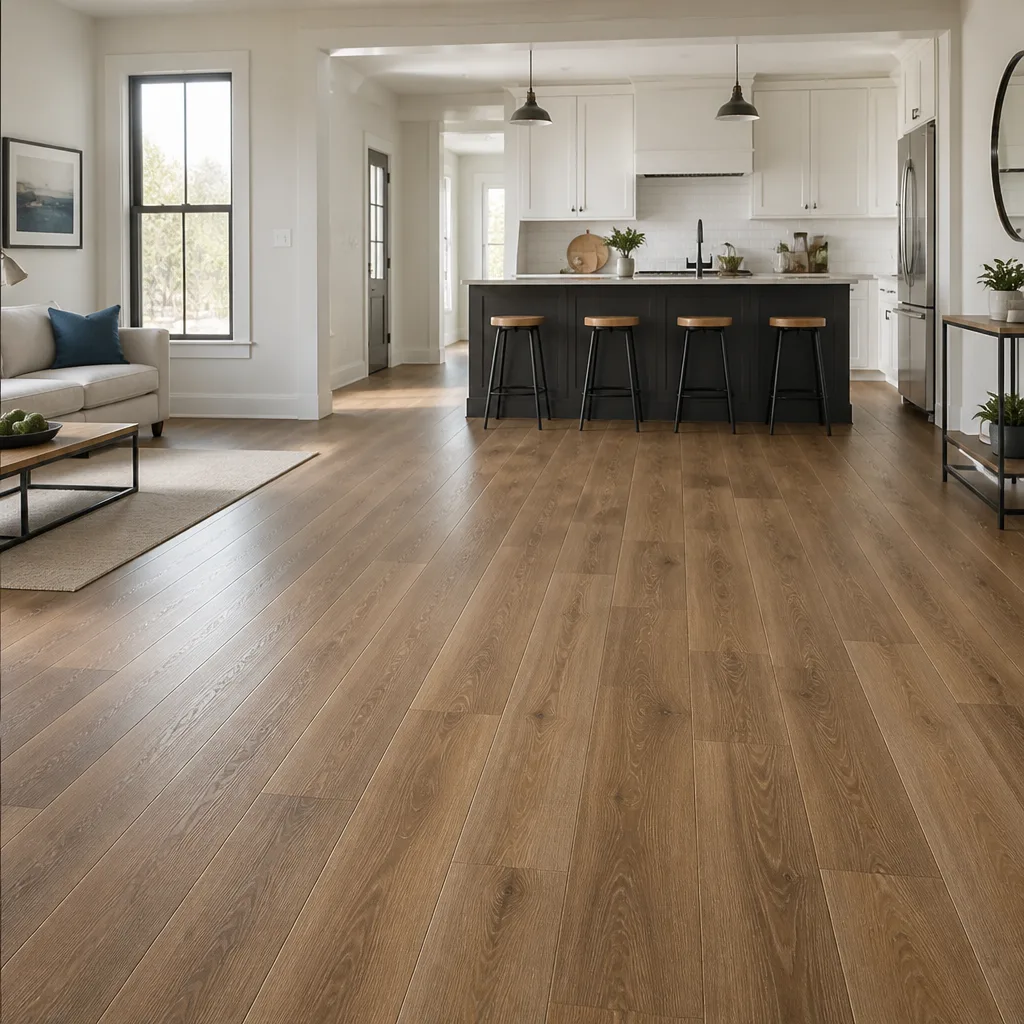 Pergo
Free in-home measure and written estimate: Shaw, Mohawk, COREtec and Pergo lines compared on your own rooms, with carpet, tile, vinyl plank, laminate and hardwood laid out side by side
Get your free estimateThe Complete Guide to Flooring in Las Vegas
Most flooring advice you’ll read was written for a temperate climate, then copied onto every market page in the country. That’s a problem here. Las Vegas homes live through roughly 294 sunny days a year and indoor temperature swings in the area of 30°F between a summer afternoon and an air-conditioned night. Materials expand toward the glass and contract when the sun drops, over and over, for years. A floor that thrives in a mild, humid climate can cup, gap or fade in a Las Vegas room. This guide works from the desert outward: what the environment demands, then which surfaces answer it. H
Quick Answer
The best flooring for a Las Vegas home depends on its build and sun exposure, but carpet, tile, luxury vinyl and hardwood all perform here when the product matches the conditions. Slab-on-grade construction (most Las Vegas homes) calls for a moisture barrier and slab-compatible materials; low indoor humidity and intense west-facing UV favor engineered wood over solid, and tile over sensitive materials in the brightest rooms. The job is choosing for the house and the room, not for a spec sheet.
Styles & brands we work with
- Hardwood
- Engineered hardwood
- Luxury vinyl plank
- Laminate
- Porcelain tile
- Carpet
- Shaw
- Mohawk
- COREtec
- Pergo
Table of Contents
- Why Las Vegas Is a Pressure Test for Flooring
- Low Humidity and What It Does to Wood and Laminate
- UV Exposure: The West-Facing Window Problem
- Slab-on-Grade Construction and Moisture Barriers
- Choosing Between Carpet, Tile, Luxury Vinyl and Hardwood
- Guest Rooms and Vacation Rentals: Durability You Can’t Guess At
- Shopping a Full Brand Portfolio vs. a Two-Line Shop
- Refinishing vs. Replacing Hardwood
Why Las Vegas Is a Pressure Test for Flooring
The desert doesn’t just make rooms hot. It drives materials through a daily cycle of expansion and contraction that compounds over years. A west-facing room in a Las Vegas home can hit 100°F+ on the interior wall in July, then drop into the upper 60s under air conditioning by midnight. Flooring materials absorb that swing differently, and mismatched products will telegraph their weaknesses fast: hardwood gaps at the seams, planks cup at the edges, adhesive softens under plank and tile.
Three forces do most of the damage:
- Thermal cycling. The daily temperature swing moves wood and composite planks more than a stable interior climate would. Engineered products with a stabilized core hold their shape better than solid planks across this cycle.
- Low relative humidity. Las Vegas hovers around 30% indoor relative humidity much of the year, and drops far lower in a dry winter. Wood gives up moisture and shrinks.
- High solar load. Sunlight through west- and south-facing glass hits flooring directly at full intensity for hours. It accelerates fading and heat-stressing in ways a shaded room never sees.
None of that means a Las Vegas floor can’t be beautiful. It means each product category has a job it’s good at here and a room it should avoid. The sections below break down where the good fits are. Our technicians have up to 11 years of experience reading these conditions in local homes, and this guide is built around what we’ve learned to look for.
Low Humidity and What It Does to Wood and Laminate
Solid hardwood, engineered wood and laminate all respond to indoor humidity, but not the same way. In a Las Vegas home running 30% relative humidity, solid wood loses moisture and shrinks across its width. Across a wide room, that can mean visible gaps at the plank seams by winter. The wood isn’t defective; it’s doing what wood does. The bigger the solid plank and the wider the room, the more movement you should expect.
Engineered wood handles the desert better because its cross-ply core is more dimensionally stable. Laminate is a composite too, but it reacts to humidity swings differently depending on the core board and installation system. The manufacturer’s own installation instructions are the authority for every product, not a stranger’s blog post. What we can tell you is that acclimation timelines in Las Vegas are typically shorter and drier than in a humid market. Product sitting in a dry, air-conditioned space doesn’t need the same settle-in period as product shipped into a moist coastal room. The exact acclimation depends on the product and the home, and the written estimate and product instructions set it.
A few practical habits protect wood and laminate floors here:
- Keep indoor humidity in a stable range year-round rather than letting winter air dry the house to the bone.
- Use a humidifier on heating-heavy days and keep the thermostat steady rather than letting a room bake and cool across a huge span.
- Never mop a wood or laminate floor with standing water. Damp-clean, then let it dry.
If the home already has a solid hardwood floor and you’re wondering whether it needs replacing, a refinish is often the smarter move. We’ll get to the details below.
UV Exposure: The West-Facing Window Problem
In most of the country, UV damage is a footnote. In Las Vegas, it’s a primary selection factor. West-facing glass in this city takes a full afternoon of intense desert sun year-round, and any flooring in that path fades, warms, and can delaminate over time if the product isn’t chosen with that exposure in mind. The window that adds warmth to a room in winter can be the one that ages your floor fastest.
How each surface handles the sun:
- Carpet. Direct sun bleaches and degrades synthetic carpet fibers in a west-facing room. For high-sun living areas, choose a solution-dyed fiber where possible, or consider hard surface and reserve carpet for bedrooms and shaded spaces.
- Tile. The most UV-stable of the major categories. Porcelain and ceramic tile from a brand like Daltile don’t fade in the sun the way softer materials can, which is why tile programs stay popular in bright Las Vegas living rooms and entry halls.
- Luxury vinyl. Premium brands like Karndean and Mannington are built to hold their color, but no product is immune to years of direct desert sun. Color-stability matters most in the west rooms.
- Hardwood. Wood changes color in the sun. It’s part of its character, but an unevenly sunlit floor will show that change as distinct patches unless the room is shaded or floor-to-ceiling treatments are used.
The fix isn’t to darken the house. It’s to walk the room at the hour of peak sun before you choose, note which areas take the direct hit, and let that guide product and finish. That single step changes what we specify more than any catalog page.
Slab-on-Grade Construction and Moisture Barriers
Most Las Vegas homes are built on slab-on-grade foundations. That matters because flooring sits directly on concrete, and concrete transmits moisture from below even in a desert. It’s less dramatic than the flooding risk in wet climates, but the effect is real, and the wrong installation on a bare slab can bond moisture into the floor. A moisture barrier or underlayment rated for the product and the slab is standard for a reason.
Which products sit comfortably on a slab, with the right barrier and installation method:
- Luxury vinyl plank and tile, typically installed as a floating floor over a proper underlayment. Comfortable on slab and good in high-traffic rooms.
- Laminate over an approved barrier. Follow the product’s instructions for slab installation.
- Engineered wood, often floated or glued depending on the product’s requirements. Solid hardwood usually means a plywood subfloor build-up on slab, which can affect budget and schedule.
- Tile, set on a properly prepared slab after the surface is checked for flatness and condition.
- Carpet over carpet cushion, which also separates the floor from the slab.
What we check at the estimate visit is the slab itself: visible moisture, old adhesive, flatness and any cracks or patching that could throw off the install. All of that gets baked into the written quote. Skipping this step is how a beautiful floor ends up with soft spots later.
Choosing Between Carpet, Tile, Luxury Vinyl and Hardwood
Here’s the simplest way to think about the four categories in a Las Vegas house. Match the surface to the room’s traffic, sun and moisture, then let the design choices fill in the rest.
- Carpet for bedrooms, closets, stairs and rooms where softness and quiet matter more than sun resistance. We supply and install Shaw and Mohawk, two of the largest manufacturers in the category. For a fuller breakdown of fibers and installation, see our carpet installation page.
- Tile for entry halls, kitchens, bathrooms and bright living spaces where durability and sun stability matter most. Daltile brings manufacturer-direct ceramic and porcelain options that hold up in the desert. More detail on formats and prep lives on our tile flooring installation page.
- Luxury vinyl for busy whole-house floors that need to look good in every room and survive a hot, dry climate. COREtec, LifeProof and Karndean cover the range from practical to design-led.
- Hardwood and engineered wood for living rooms, dining rooms and anywhere you want a real wood floor that can be refinished later. Shaw, Mohawk, Mannington and Armstrong are all in the portfolio.
One word on luxury vinyl and laminate: don’t read “waterproof” on a box and assume the floor can handle a plumbing leak. These floors are water-resistant, and standing water or moisture from below still has to be dealt with. The best builds leave room for that fact.
Guest Rooms and Vacation Rentals: Durability You Can’t Guess At
Las Vegas has a strong short-term rental and guest-room market, and the flooring priorities are different from a primary residence. A rental floor doesn’t get the gentle treatment a family gives its own home. It gets rolling luggage, wet pool towels, high heels, spilled coffee and a parade of people who don’t live there. In a primary home you can coach habits; in a rental you can’t.
What holds up better in a guest setting:
- Tile and luxury vinyl in entryways, kitchens and living areas. They clean easily and shrug off the traffic.
- Carpet in bedrooms is a good call for softness and temperature comfort, but choose a tighter, denser construction than you might choose at home.
- Avoid solid hardwood in rental bedrooms unless you’re prepared to manage scratches and dents. Engineered wood is a better fit where a real wood look matters.
The sun exposure of the room is also higher than renters notice. A west-facing rental bedroom with six hours of direct sun and a guest never closing the blinds puts the same UV load on the floor as a living room. Choosing UV-stable surfaces in those rooms saves a floor-replacement decision down the line.
Shopping a Full Brand Portfolio vs. a Two-Line Shop
Flooring shops in Las Vegas fall into two types. Some offer one or two manufacturer lines; some offer a portfolio. That difference isn’t cosmetic. It changes what you’re able to compare side by side, and it changes what happens when the first product you liked doesn’t actually fit your room’s sun and traffic.
- A two-line shop can only answer “does this fit?” for its two lines. If neither works in a bright west room, you’re back on the road.
- A portfolio shop can show you Shaw and Mohawk for carpet, COREtec, LifeProof and Karndean for luxury vinyl, Mannington and Armstrong for resilient, Pergo for laminate and Daltile for tile. You see the trade-offs in one sitting rather than spending your weekend driving between showrooms.
- A specialist running a portfolio handles more surface types, which matters when a whole-house project crosses carpet, tile and wood.
Floors Las Vegas is built around that model: full-surface coverage across carpet, tile and hardwood refinishing, with nine recognized industry brands available in one place. If a whole-house project is ahead, our team can walk you through it from Floors Las Vegas – no need to piece together multiple vendors.
Refinishing vs. Replacing Hardwood
When an existing hardwood floor looks tired, the instinct is to replace it. Very often it can be refinished instead, and refinishing costs less and preserves a floor that’s already settled into the house. Sanding back the surface and applying a new finish can reset the color and bring the wood back without pulling up boards. It also opens up the option to change the stain tone, which is a much bigger project once a floor is replaced.
A short step-by-step of how a refinished floor typically goes:
- Walk-through and assessment. We check the wood’s thickness and condition to confirm it has enough material to sand and refinish.
- Prep. The room is cleared and edges are masked. Sanding produces fine dust, which is managed with dust-control equipment.
- Sanding. Old finish comes off and the surface is leveled.
- Finish application. Stain and finish go down in sequence, with dry time between coats.
- Cure and return. The floor needs time to cure before furniture goes back. The written estimate sets your exact timeline.
Not every floor can be refinished, and not every stain match will land exactly on a sample. That depends on the thickness of the wood and its condition, checked at the estimate visit. Even so, a refinish is a much better outcome than pulling a solid floor that has another decade in it.
See the difference
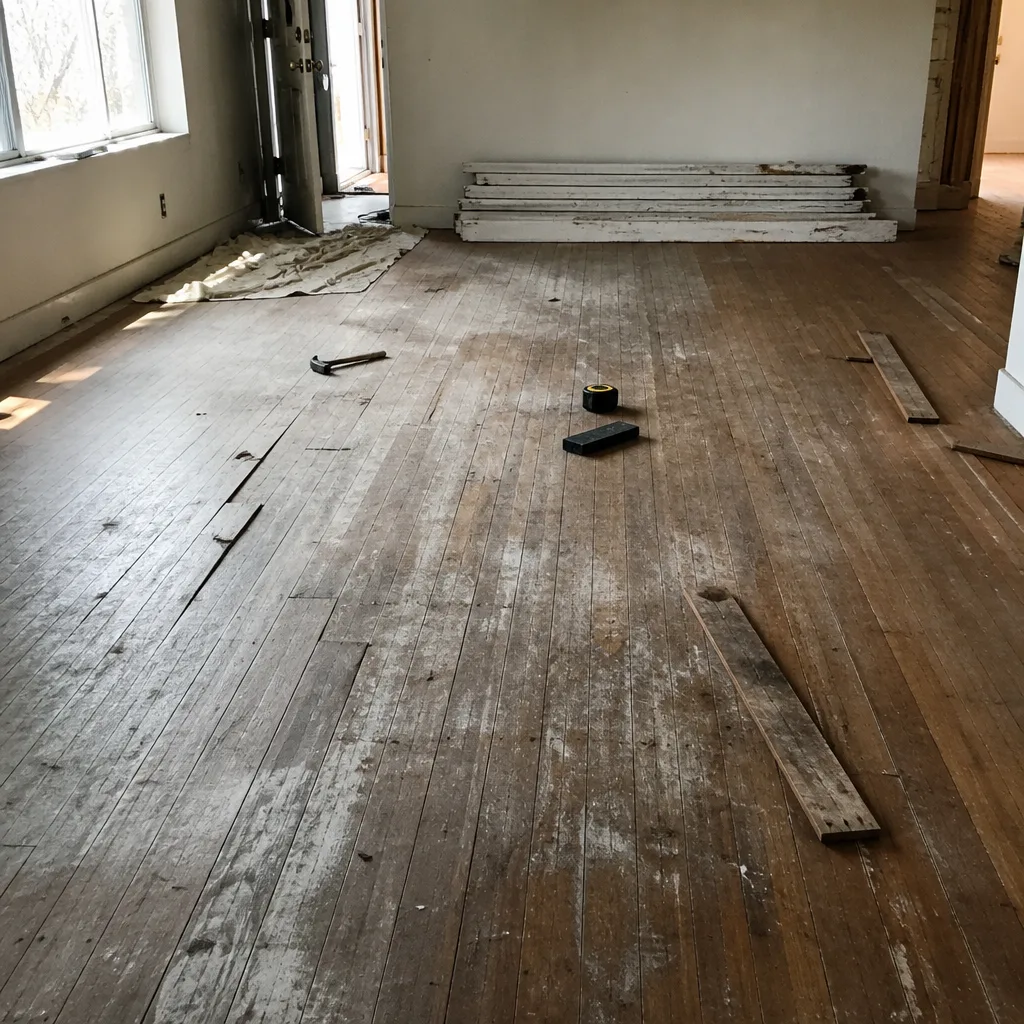 Before
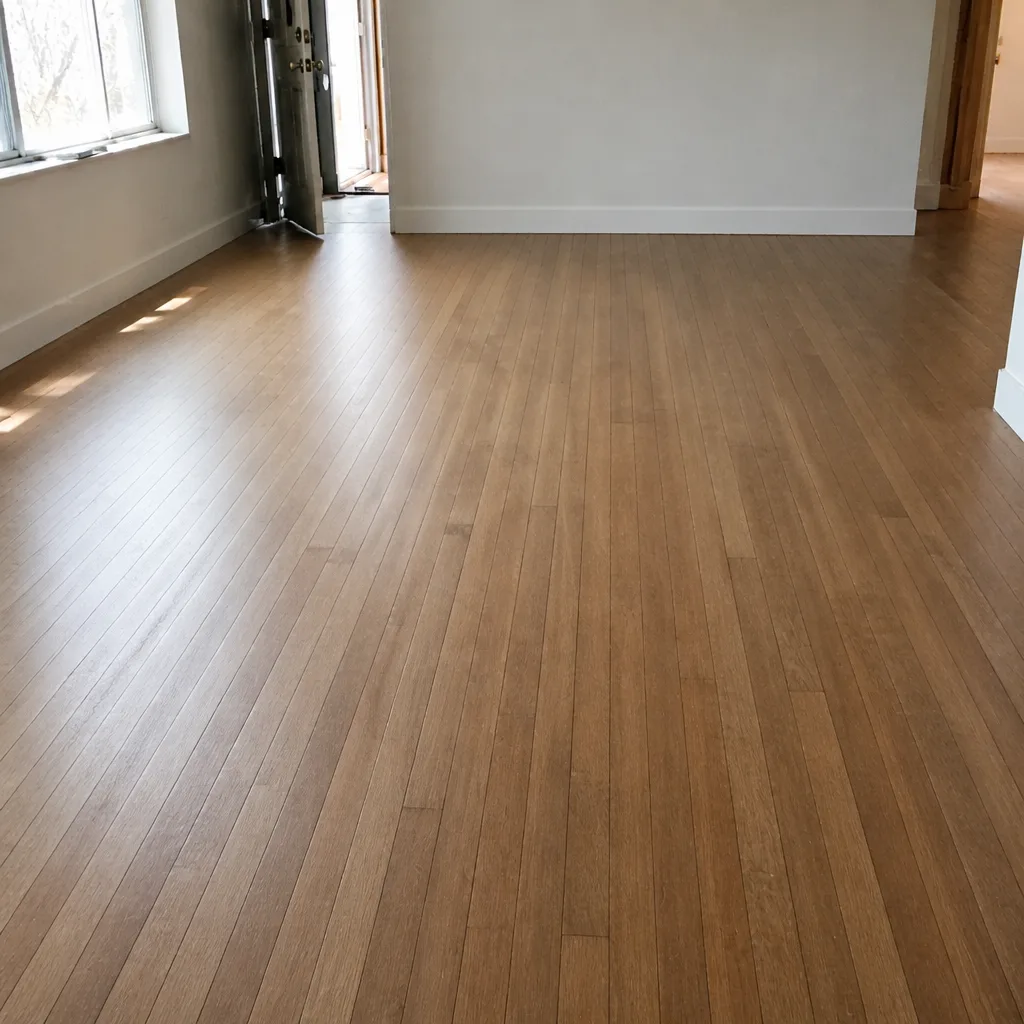 After
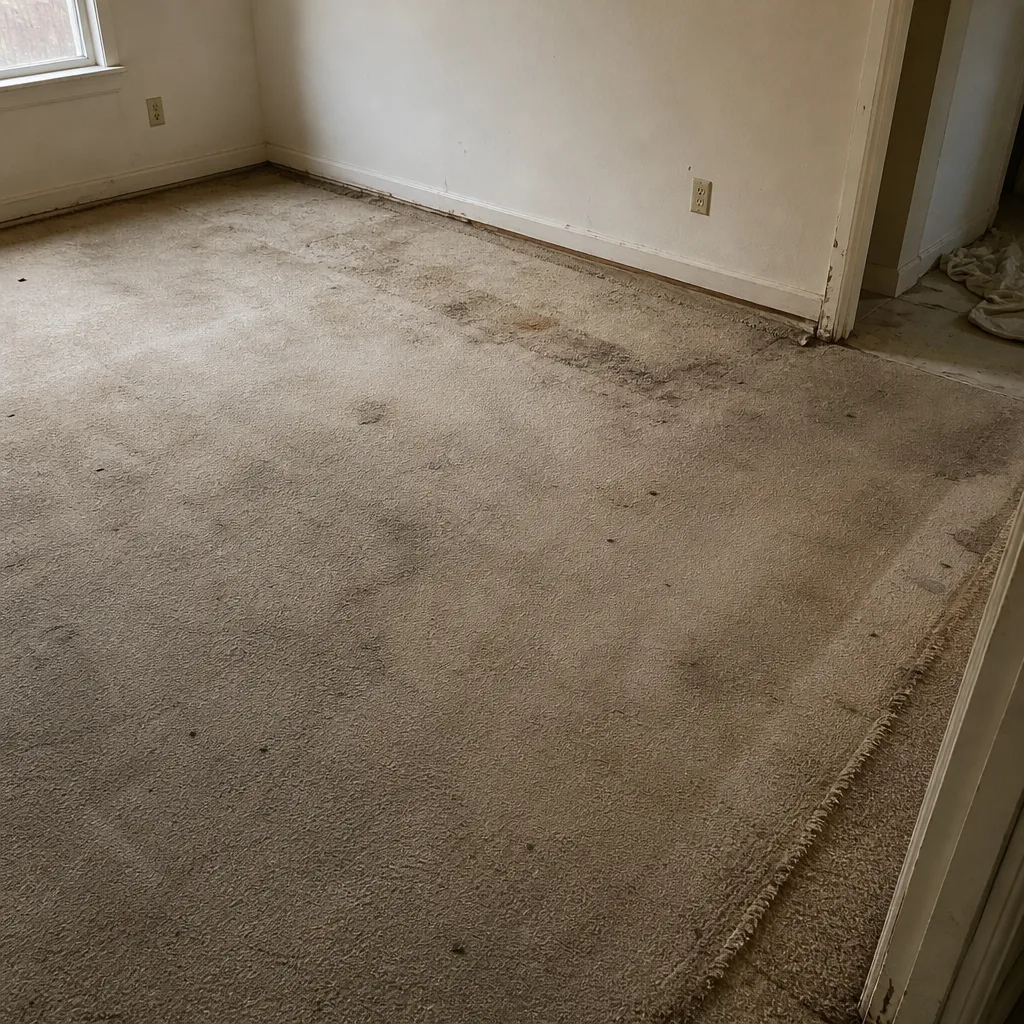 Before
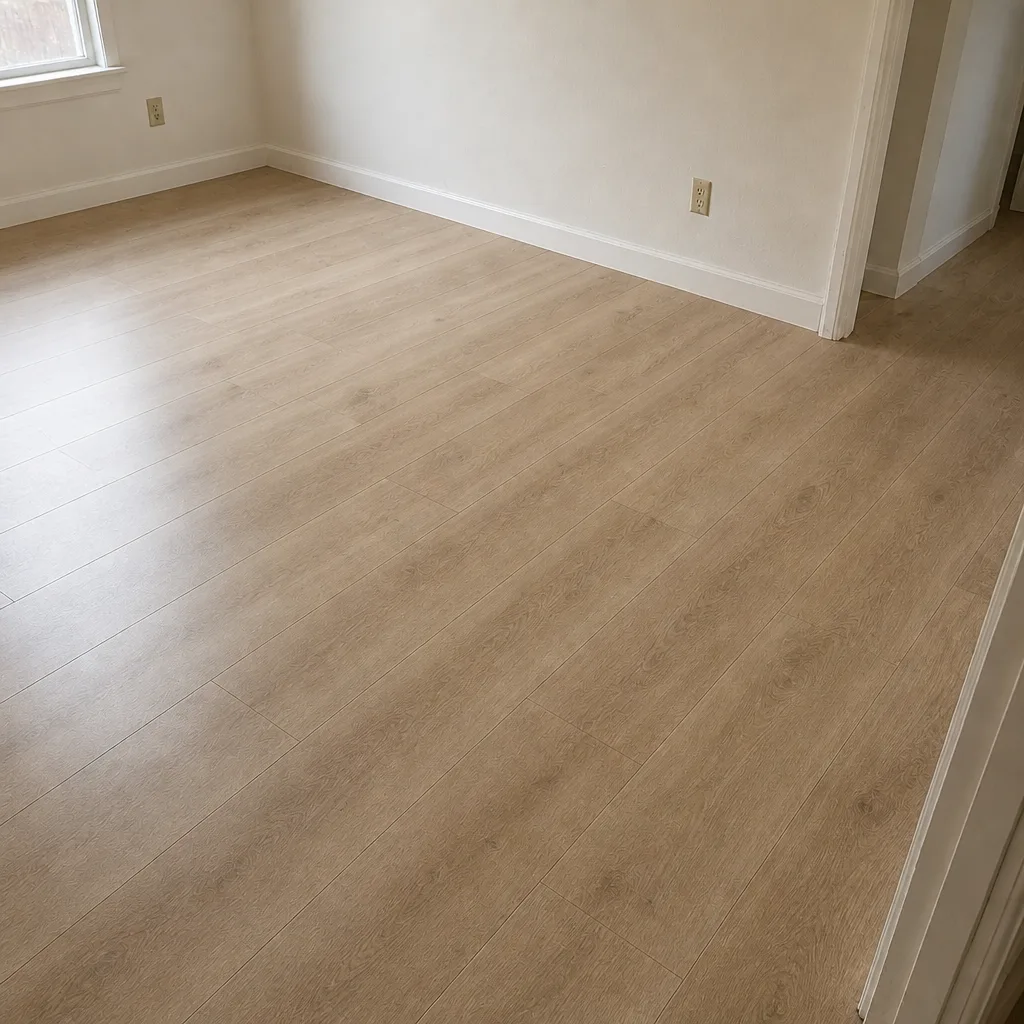 After
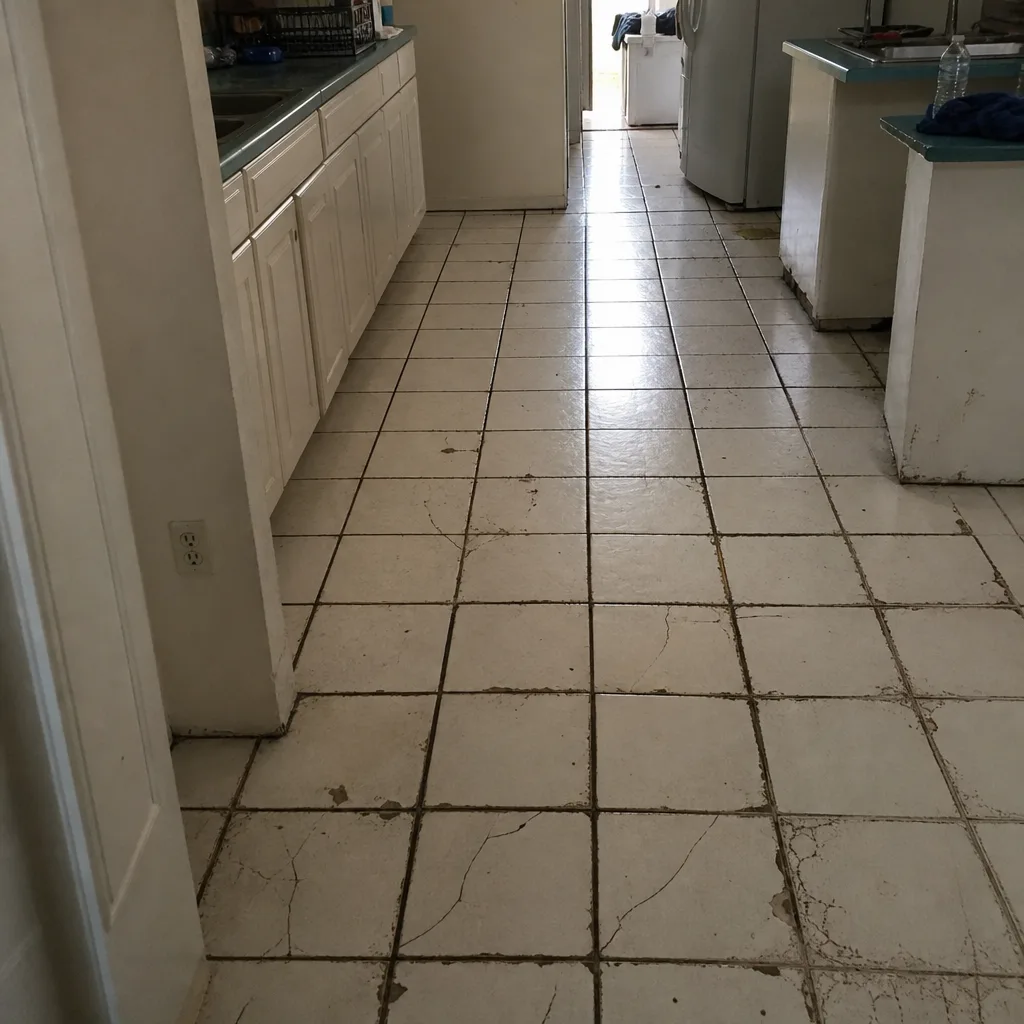 Before
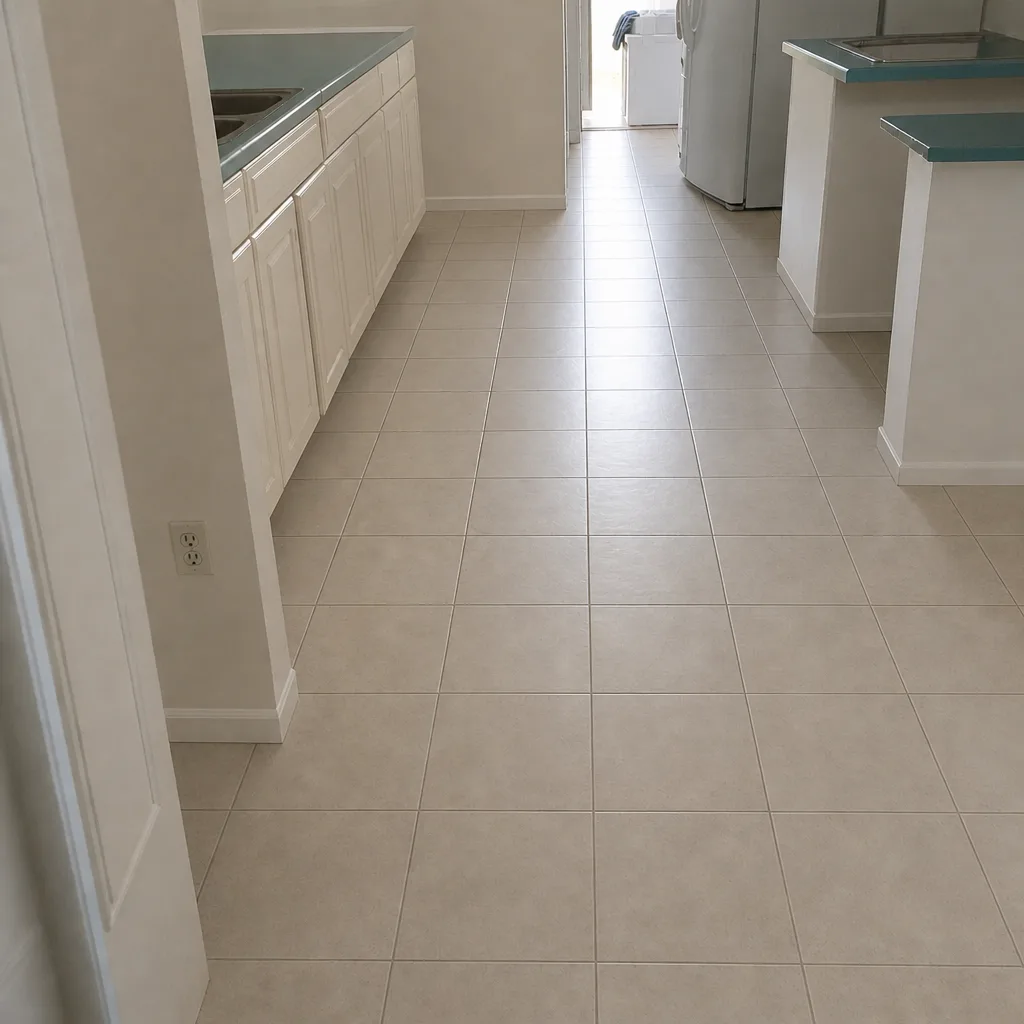 After
Common Mistakes to Avoid
- Buying the floor before the room. The same product can look fantastic in a north-facing bedroom and fade in a west-facing living room. Always walk the room in the hours of peak sun before choosing.
- Skipping the slab check. A Las Vegas slab transmits some moisture from below, and installing a floating floor over a slab without the right barrier can trap it. Ask what’s under the floor before you buy.
- Assuming “waterproof” means leak-proof. Water-resistant products still fail under standing water or sustained moisture. Have a plan for spills and appliance leaks.
- Replacing hardwood that could be refinished. A floor with good thickness and a stable surface is usually a refinish candidate. Get that checked before pricing new boards.
- Forgetting acclimation in the desert. Wood and laminate need a settle-in period matched to the home’s humidity, not a generic national timeline. The product instructions and your installer set the right length.
- Under-buying in a rental. Cheaper, softer flooring in a guest room looks fine at install and tired twelve months later. Buy for the traffic you expect, not the traffic you want.
- Mixing surface types from multiple vendors. When a project spans carpet, tile and wood, one installer handling all of it is easier to schedule and easier to hold accountable.
When to Call a Professional
Some flooring questions are simple. Should a bathroom be tile? Usually yes. Others are where budgets go wrong: a west-facing room with a floor selection already picked, a whole-house job crossing multiple surfaces, a slab that might have moisture, or a hardwood floor that looks bad and you’re not sure if it can be refinished. Those are the moments to get an expert in the room before money is spent.
We handle Floors Las Vegas, and we take those decisions seriously. Floors Las Vegas offers free estimates in Las Vegas – call (844) 761-9353. The estimate is free, the written quote sets the price, and the schedule is confirmed once you approve the materials and scope.
Frequently Asked Questions
Tile and luxury vinyl are the most forgiving choices for sun-exposed living areas, while carpet suits bedrooms and engineered wood fits living and dining rooms where you want a real wood look. The best floor depends on the room’s exposure and traffic more than the category alone.
Yes, it can. Solid hardwood loses moisture and shrinks at low indoor humidity, which can open gaps at the seams. Engineered wood handles the desert better, and a stable indoor humidity range helps either one. Call (844) 761-9353 for an exact assessment of your floor.
Afternoon sun through west-facing glass in Las Vegas is intense and reaches a floor for hours every day. Over time it fades many carpet fibers and shifts wood color. A shade treatment or a UV-stable product such as tile or premium luxury vinyl is the usual fix, and calling (844) 761-9353 is a good first step.
Can any flooring be installed on a slab in Las Vegas?
Most can, with the right moisture barrier and an approved installation method. Which product is compatible depends on the manufact