
Last updated November 17, 2026
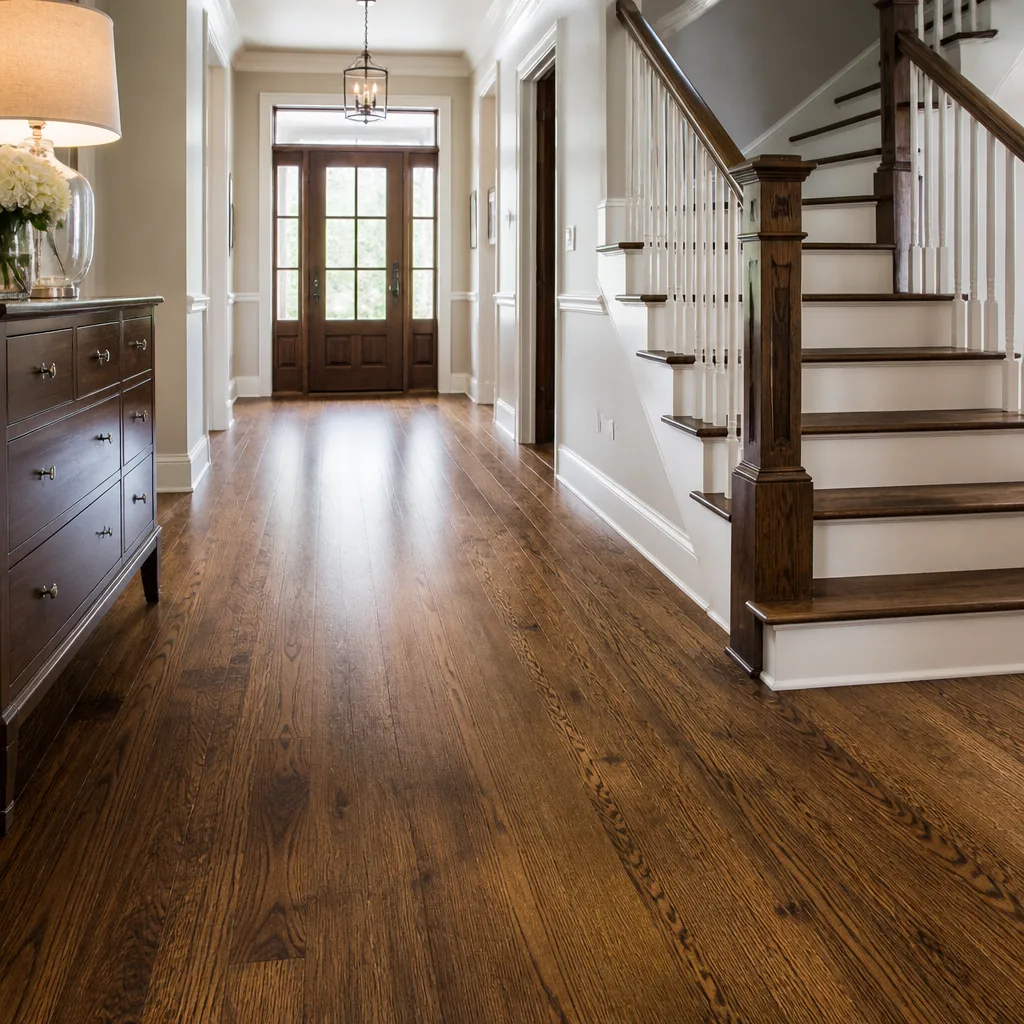 Hardwood
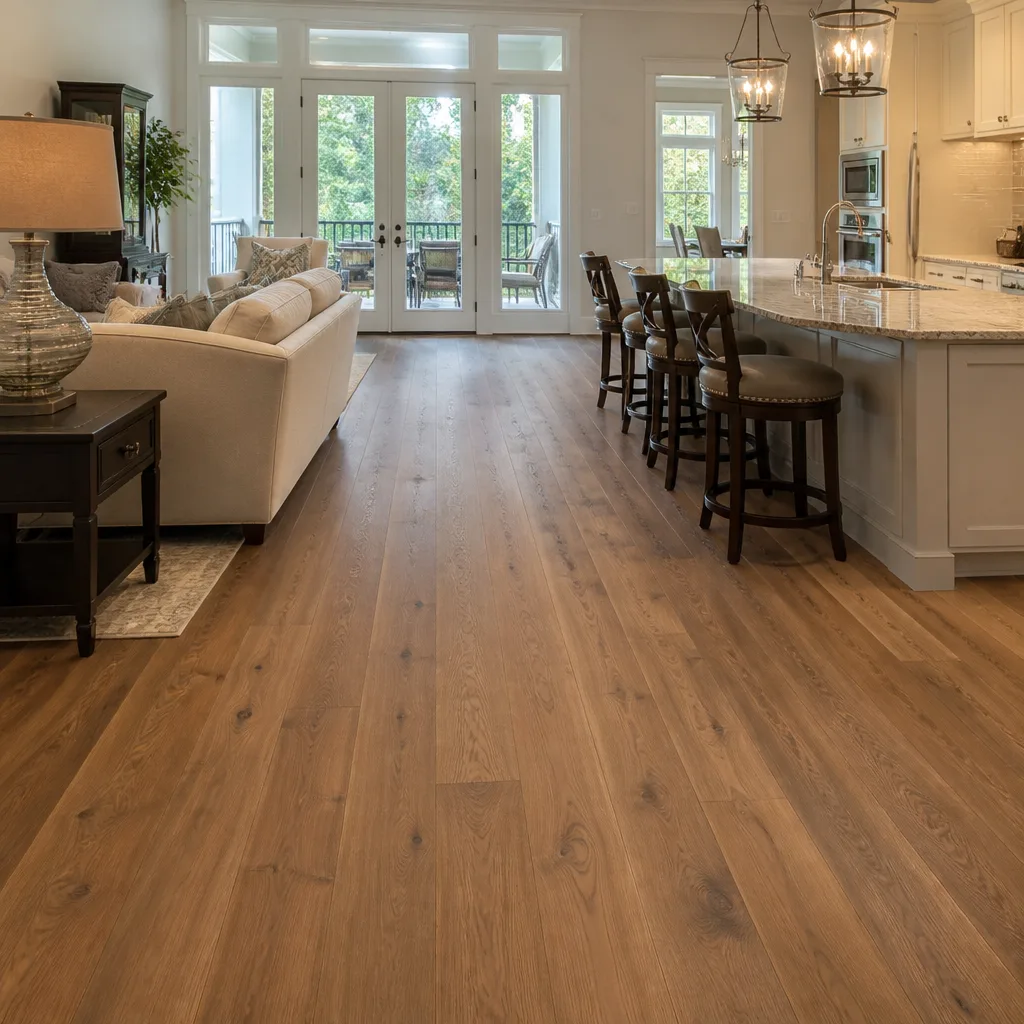 Engineered hardwood
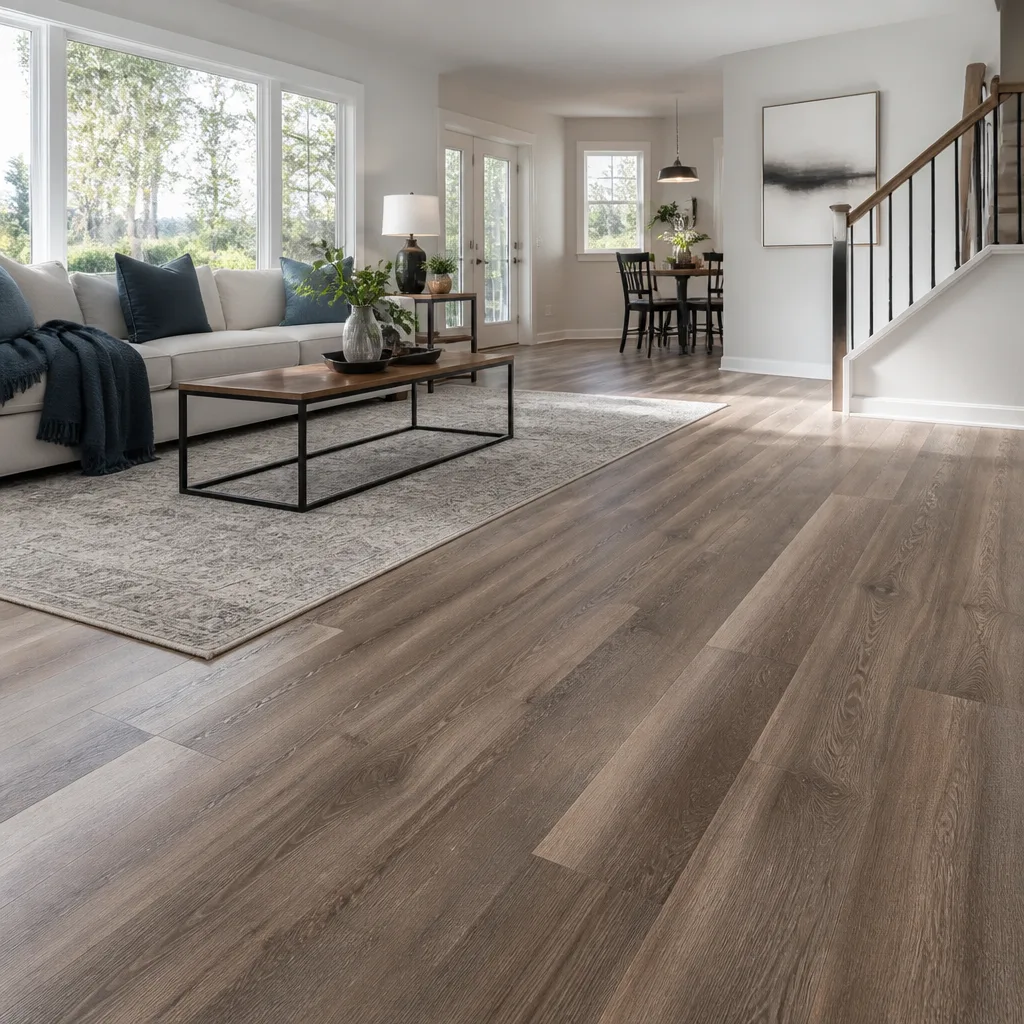 Luxury vinyl plank
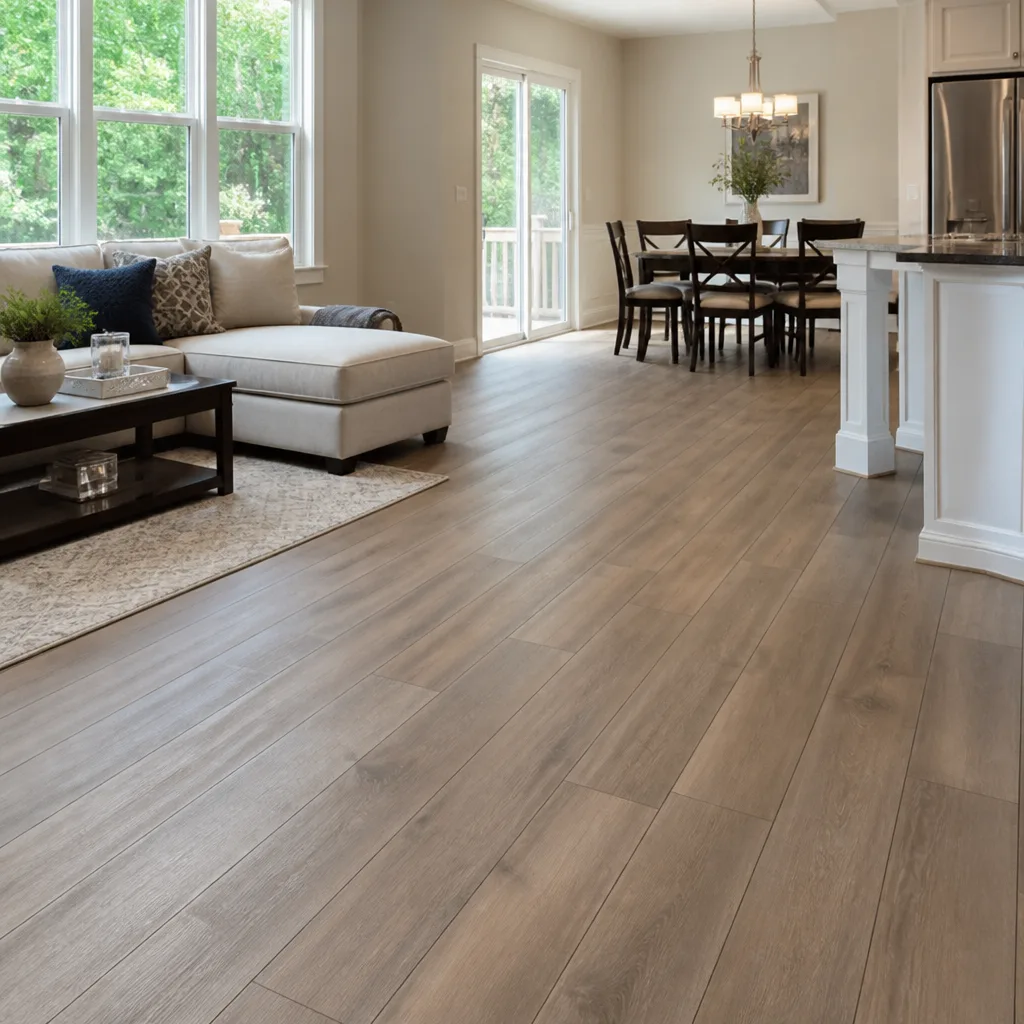 Laminate
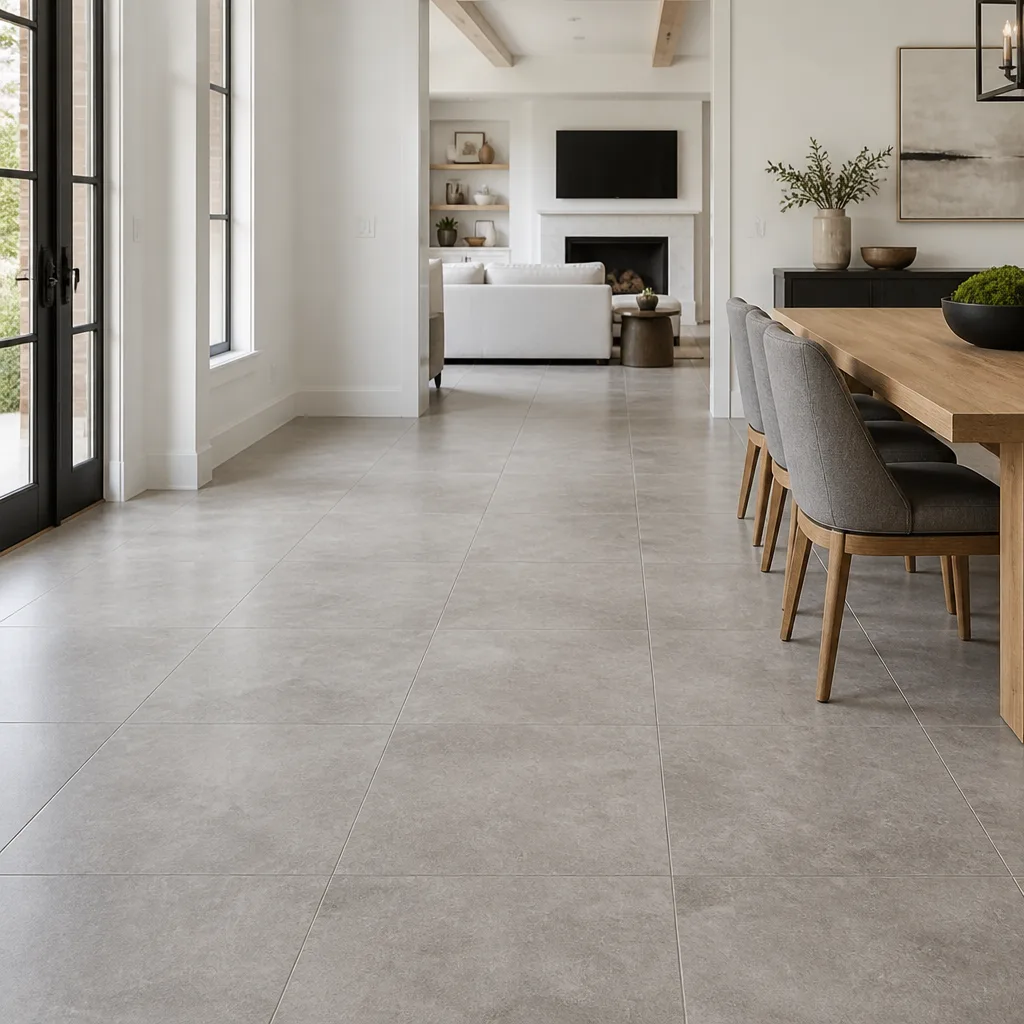 Porcelain tile
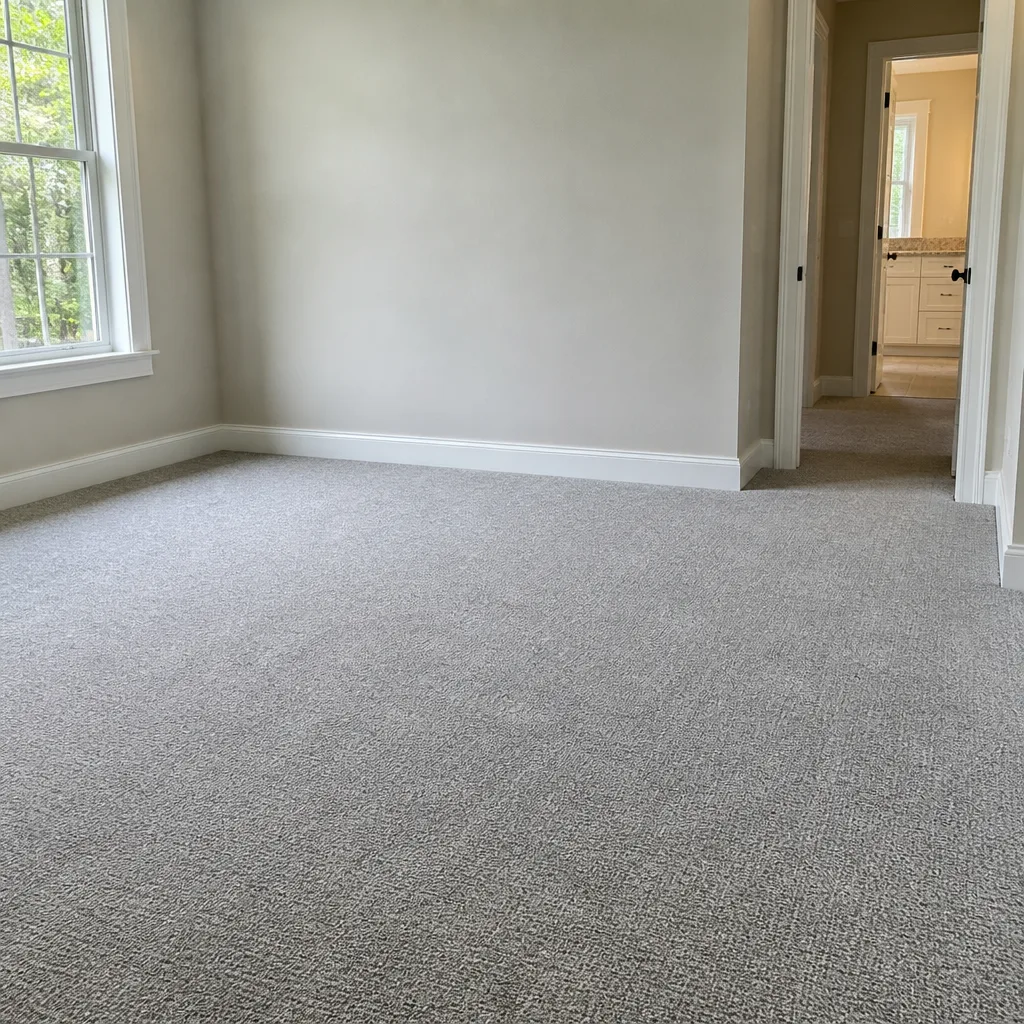 Carpet
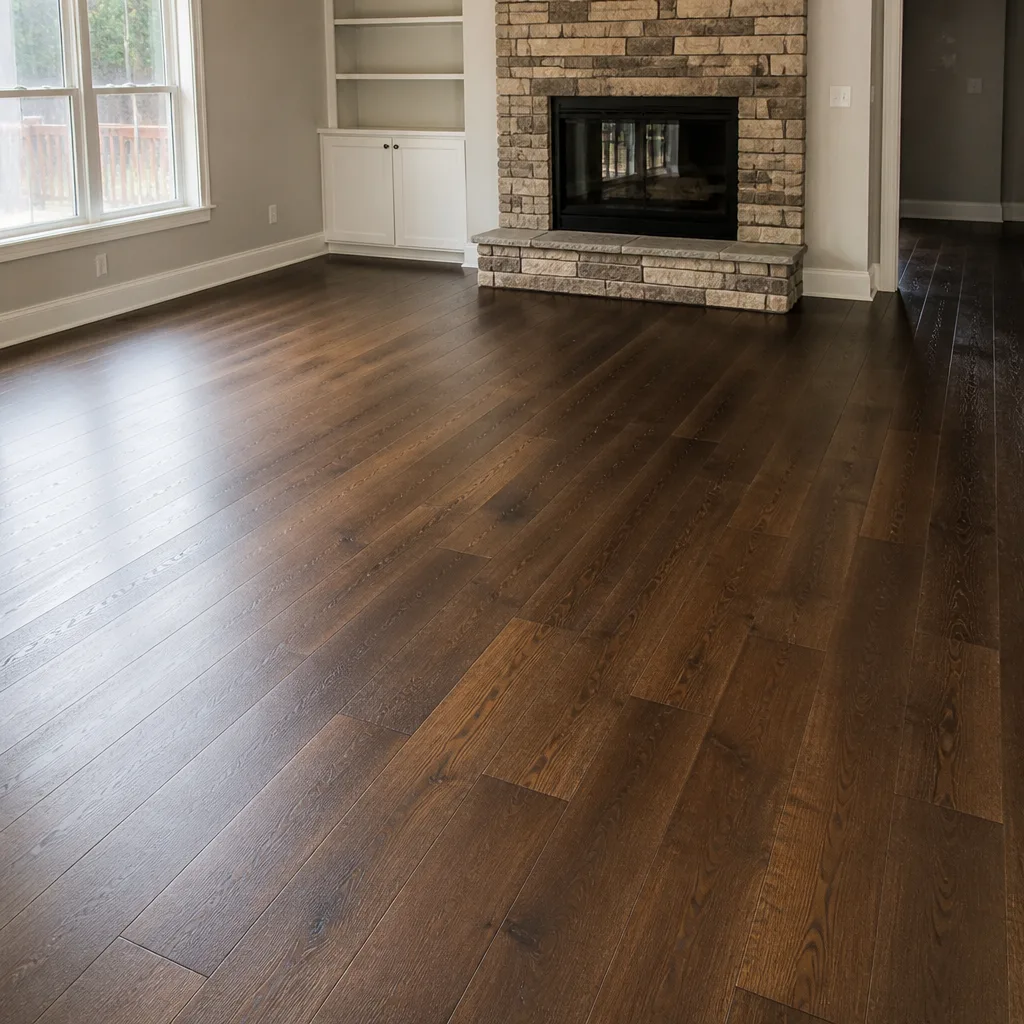 Shaw
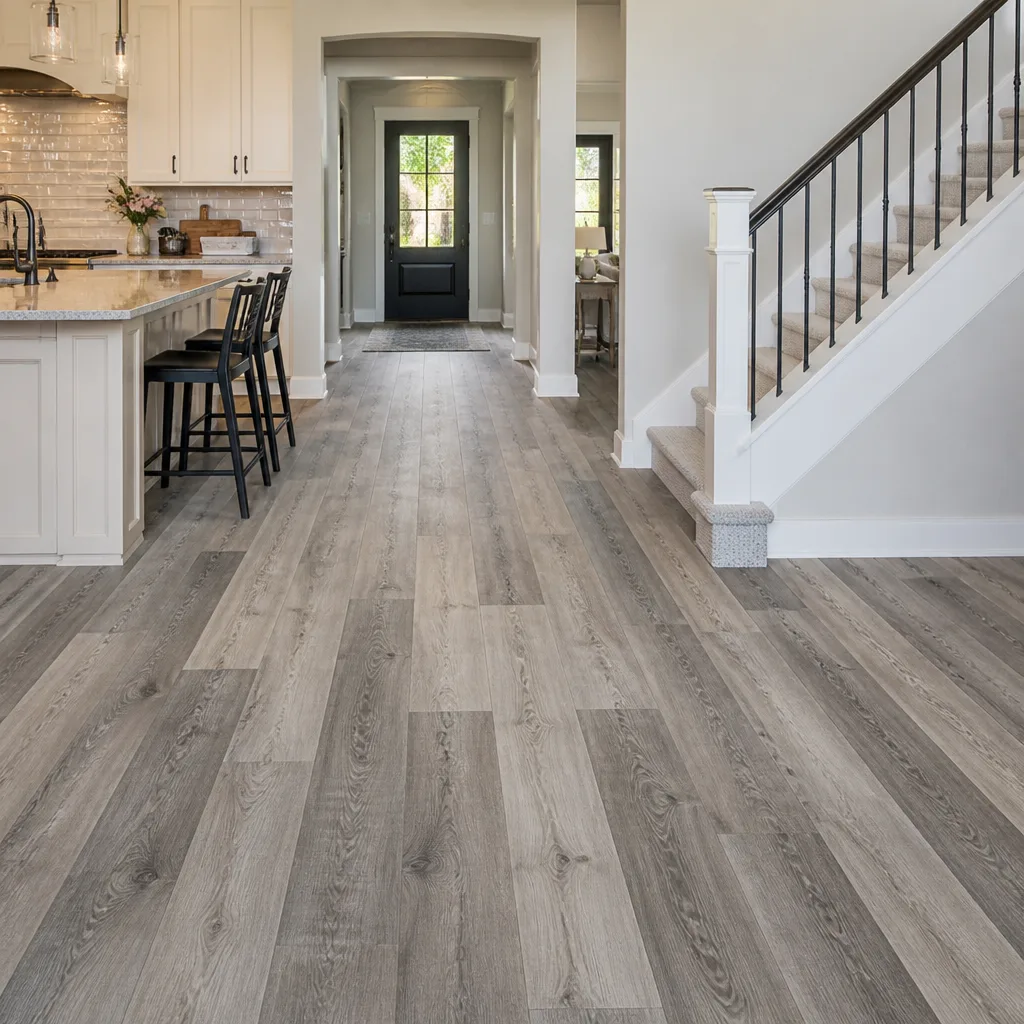 Mohawk
 COREtec
 Pergo
Free in-home measure and written estimate: Shaw, Mohawk, COREtec and Pergo lines compared on your own rooms, with carpet, tile, vinyl plank, laminate and hardwood laid out side by side
Get your free estimateHow to Care for New Flooring: Hardwood, Vinyl, Laminate, Tile and Carpet
Following the standard manufacturer care guide for your new hardwood or luxury vinyl floor is a reasonable starting point, until you account for the fact that those guidelines were written for a national average climate, not a desert environment where the UV index regularly pushes past 10 and indoor humidity can drop below 20% in the dead of winter. In Las Vegas, new floors face two pressures most care guides never address: relentless sun through west- and south-facing windows, and air that pulls moisture out of wood for months at a time. The result is fading, gapping, cupping, grout haze and finishes that wear out ahead of schedule. This guide walks through how to care for each surface type in a Las Vegas home, from daily cleaning to seasonal humidity management, plus the specific maintenance steps that protect a manufacturer warranty and the best-practice habits that extend a floor’s life well beyond it.
Quick Answer
Care for new flooring in Las Vegas by matching your routine to the material and managing the two things the desert throws at every floor: intense UV and very low indoor humidity. Hardwood and engineered wood need indoor relative humidity kept in a moderate range with a hygrometer and a portable humidifier in winter. Luxury vinyl, laminate and tile want pH-neutral cleaners and quick spill response, never steam or harsh solvents. Carpet needs regular vacuuming and prompt blotting of stains. And in every room, block direct sun with window film or UV-rated blinds and rotate rugs and furniture to keep fading even.
Styles & brands we work with
- Hardwood
- Engineered hardwood
- Luxury vinyl plank
- Laminate
- Porcelain tile
- Carpet
- Shaw
- Mohawk
- COREtec
- Pergo
Table of Contents
- Why Las Vegas Climate Changes Flooring Care
- Caring for Hardwood and Engineered Wood
- Caring for Luxury Vinyl Plank and Tile
- Caring for Laminate Floors
- Caring for Tile and Grout in Hard Water
- Caring for Carpet
- Cleaning Products: What’s Safe on Each Surface
- Warranty Requirements vs. Best-Practice Care
Why Las Vegas Climate Changes Flooring Care
Most manufacturer care guides are written for a national average climate, where humidity hovers around 40% to 60% year-round and the sun is less intense. Las Vegas is the opposite on both counts. Indoor relative humidity can fall below 20% in winter, and summer UV indexes routinely climb above 10. Those two facts drive how new floors age here, and they’re the reason a care plan that works in a humid city can fall short in the desert.
The low humidity matters most for wood. Wood is hygroscopic, meaning it absorbs and releases moisture from the air around it. When the air dries out in winter, planks shrink slightly and hairline gaps open at the seams. When summer humidity creeps up, or when a plumbing leak goes unnoticed, the wood swells and can cup, with edges lifting higher than the center of each board. Neither problem is a defect on its own. Both are the floor responding to its environment, and both are manageable when you watch humidity rather than wait for visible damage.
The sun is the second factor. Ultraviolet light breaks down wood finishes, fades vinyl prints, yellows some laminates and bleaches carpet dye. In Las Vegas, a west-facing living room with bare windows can show visible fade within a few years before a homeowner notices the difference. The fix isn’t to live in the dark. It’s to break up direct sun and to keep exposure even across the floor.
- Monitor humidity. A basic digital hygrometer costs little and tells you exactly what your indoor air is doing.
- Block direct sun. Window film, UV-rated blinds or sheer solar shades protect every hard surface and soft surface in the room.
- Keep sun exposure even. Rotate rugs and reposition furniture so one patch of floor isn’t always in full sun and another always shaded.
If you’re still choosing a floor for a Las Vegas home, start by reading how Floors Las Vegas approaches the full-surface selection, then plan the care routine based on what actually goes down.
Caring for Hardwood and Engineered Wood
Hardwood and engineered wood are the most climate-sensitive floors in a Las Vegas home, and they reward a little active management. The goal is a stable indoor environment: keep relative humidity in a moderate band, avoid moisture swings, and clean with the gentlest tools that still work. Our technicians have up to 11 years of experience installing and refinishing wood floors, and the pattern we see is consistent: floors that gap or cup usually lived through big humidity swings without anyone watching the number.
Here’s the routine that keeps wood floors healthy in the desert:
- Track humidity. Place a hygrometer in the main living area. Aim for a moderate, stable range and flag it when readings drift toward very dry or very humid.
- Add moisture in the dry months. A portable humidifier running through winter helps keep wood from shrinking and gapping.
- Dry-mop often. A microfiber dry mop lifts grit before it grinds into the finish.
- Damp-mop sparingly. A slightly damp mop with a pH-neutral cleaner is fine; a wet mop that leaves standing water is not.
- Wipe spills immediately. Water sitting on wood seams is where cupping begins.
- Felt-pad furniture. Felt pads under chair and table legs stop dragging grit and scratches.
Sun management matters just as much. Wood finish breaks down under strong UV, and a floor that’s half in sun and half shaded fades unevenly, which is far more obvious than a uniformly faded floor. Window film and solar shades reduce the dose. Rotating an area rug by a quarter turn a couple of times a year helps, as does moving a chair or sofa slightly so the same boards aren’t always exposed.
When a wood floor does wear past cleaning, refinishing is often a better path than replacement, though whether a floor can be refinished depends on the thickness of the wood and its condition. To learn more about that craft service, see how Floors Las Vegas handles wood refinishing alongside carpet installation and tile work.
Caring for Luxury Vinyl Plank and Tile
Luxury vinyl is the most forgiving floor in a Las Vegas home, but forgiving doesn’t mean indestructible. The wear layer is a print and a coating, not a slab of stone, and the cleaning products you use matter more than the scrubbing effort you put in. A pH-neutral cleaner and a soft mop handle almost every situation. Abrasive powders, strong solvents and steam mops are where vinyl goes wrong.
The install and care approach we take with brands like COREtec and LifeProof is the same we’d suggest to any homeowner: treat the surface as a finish, not a workbench. Here’s the daily and weekly routine that keeps a vinyl floor looking new in a desert home:
- Sweep or dry-mop regularly. Desert dust and grit act like sandpaper on a vinyl wear layer.
- Use pH-neutral cleaner. Dilute per the product instructions and never mix in vinegar, bleach or abrasive scrubs unless the manufacturer explicitly allows them.
- Damp-mop, don’t flood. A damp mop is enough. Standing water at seams and edges can still work its way under the floor.
- Skip the steam mop. Heat and moisture under pressure can lift edges and damage adhesive at seams.
- Wipe spills quickly. Vinyl is water-resistant, not waterproof. Standing water and moisture from below still have to be dealt with.
- Protect from sun and furniture. Felt pads and UV-rated blinds keep vinyl’s printed design from fading and its surface from scuffing.
Vinyl tile styles with grout lines need one extra step: clean the grout with a soft brush and pH-neutral solution and avoid scrubbing with anything harsher. In a hard-water market like Las Vegas, a dilute solution and quick wipe-down after mopping stops minerals from building up on the surface.
Caring for Laminate Floors
Laminate has a hard, printed wear layer that handles daily traffic well, but its seams and core are where moisture gets in. The care routine is close to vinyl: sweep often, clean with a damp mop and pH-neutral product, and keep standing water off the surface. Where laminate differs is at the seams and edges, so pay particular attention to doors, transitions and any spot where water might pool. If your laminate is a Pergo product, follow the manufacturer’s cleaning instructions exactly, since they often name the approved cleaner type.
In Las Vegas, two climate habits matter for laminate:
- Keep humidity steady. Laminate core boards expand and contract with humidity, so a dry winter can open seams and a sudden humid stretch can close them tight enough to buckle if the floor was installed tight to the wall.
- Shade the sun. Laminate wear layers and print patterns fade under intense UV. Window film or blinds on the hottest exposures protect the pattern and the finish.
For daily cleaning, a microfiber dry mop followed by an occasional damp mop with a manufacturer-approved cleaner is the safest pattern. Never steam-mop laminate and never flood it. Avoid abrasive pads and scouring powders, which dull the wear layer and can leave visible scratches.
Caring for Tile and Grout in Hard Water
Tile and grout require a different care cadence than any other surface in a Las Vegas home. The reason is water: our tap water is mineral-heavy, and those minerals leave deposits on tile and grout that, left too long, etch into the surface and become very difficult to reverse. The fix is routine cleaning that keeps minerals from building up in the first place, not heavy scrubbing after the fact.
Here’s the routine that keeps tile and grout looking sharp:
- Sweep or vacuum tile floors frequently. Grit on a tile floor doesn’t scratch the tile, but it does wear grout and dull the finish.
- Mop with a pH-neutral tile cleaner. Dilute per the label. Avoid acidic cleaners on natural stone, and avoid harsh bleach solutions on grout.
- Dry the floor after mopping. A dry microfiber towel lifts the mineral film before it dries onto the tile.
- Clean grout with a soft brush and neutral cleaner. Work in small sections with a gentle scrub, not a wire brush.
- Watch for hard-water rings. If you see whitish deposits, tackle them with the tile manufacturer’s approved cleaner rather than a generic descaler.
- Reseal grout if the manufacturer recommends it. A penetrating sealer slows stain absorption in high-traffic areas like kitchens and bathrooms.
Daltile’s tile care guides are a good check for any specific product, since different tile bodies and glazes recommend different cleaners. In a Las Vegas home, the biggest mistake is using a heavy acidic descaler on tile or grout in the name of removing minerals; it strips sealer and dulls glazed surfaces. A neutral cleaner, a dry towel and a steady cadence do more work than a harsh product ever will. For new tile installs or tricky grout repair, our tile flooring installation team can help during the estimate.
Caring for Carpet
Carpet care in Las Vegas is really two jobs: keeping dust and grit out of the pile, and blunting sun fade. Desert dust settles faster than in humid cities, and it acts like sandpaper on carpet fibers every time someone walks across a room. The routine that works starts with a good doormat at every exterior door and a vacuum that runs more often than you think necessary.
- Vacuum high-traffic areas at least weekly, and more often in entryways and hallways. A vacuum with a strong beater bar lifts grit that has settled into the pile.
- Vacuum low-traffic areas weekly or every other week. Bedrooms and formal rooms still collect dust in a desert climate.
- Blot spills, don’t scrub. Press a clean cloth into the spill from the outside in. Scrubbing spreads the stain into the backing.
- Test any spot cleaner first. Apply to a hidden corner and check the colorfastness before using it on a visible stain.
- Manage sun. Window film, UV-rated blinds and rotating rugs keep fade even across the room.
- Deep-clean when the manufacturer recommends it. Most carpet brands specify a method, such as hot water extraction, in the care guide; follow theirs.
Shaw and Mohawk care guides both emphasize that stain treatments are not the same as stain-proofing, and the faster you lift a spill, the better the outcome. For new carpet, our carpet installation service includes product guidance from those two brands and a written estimate before we book any install day.
Cleaning Products: What’s Safe on Each Surface
The single biggest cause of early finish failure we see is the wrong cleaner, not heavy traffic. A lot of “floor cleaner” on store shelves is somewhere between a degreaser and a mild solvent, both of which can dull finishes, strip sealer and leave a sticky film that attracts dust. Manufacturers often specify pH-neutral cleaners for a reason, and using anything harsher can void the warranty on the finish itself.
Here’s the compatibility guide we’d hand to any homeowner in a Las Vegas home:
- Hardwood and engineered wood: pH-neutral wood floor cleaner, damp mop, no vinegar, no oil soaps, no steam.
- Luxury vinyl plank and tile: pH-neutral vinyl cleaner, soft mop, no bleach, no abrasive powders, no steam mops.
- Laminate: manufacturer-approved laminate cleaner only; no wet mopping, no steam, no abrasive pads.
- Tile and grout: pH-neutral tile cleaner for glazed tile, gentler cleaners for stone; no acidic descalers on natural stone; no wire brushes on grout.
- Carpet: manufacturer-approved spot cleaner and hot-water extraction when deep cleaning; test in a hidden spot before treating any stain.
A few ingredient warnings worth committing to memory: anything labeled “heavy-duty degreaser,” “scrubbing bubbles” style foaming cleaners and “orange oil” sprays are usually wrong for finished floors. Ammonia and bleach should rarely touch a floor surface, and even a mild vinegar dilution, which is popular online, can dull a wood finish or a vinyl wear layer over time. When in doubt, use a pH-neutral cleaner matched to the material and dilute it per the label.
If you’re shopping for the material itself, brands like Mannington and Armstrong publish care guides for every product line; check theirs before you settle on your routine.
Warranty Requirements vs. Best-Practice Care
Manufacturer care guides set a floor, not a ceiling. Their requirements are the minimum maintenance that keeps the warranty in force, and a warranty rarely covers the things that actually shorten a floor’s life: sun fade, humidity swings, water damage and heavy grit. The right approach is to meet every warranty requirement and then go a step further with the habits that protect the finish.
What the manufacturer typically requires to keep the warranty valid:
- Using cleaners the manufacturer approves for that surface.
- Not steam-mopping and not letting standing water sit on the floor.
- Following the brand’s recommended cleaning frequency for the surface.
- Keeping humidity and moisture within the ranges the product instructions specify.
- Following the product’s installation instructions, including transitions and expansion space.
What goes beyond the warranty and extends finish life significantly:
- Managing humidity with a hygrometer and a portable humidifier through the dry season.
- Blocking direct sun with window film and UV-rated blinds in the hottest exposures.
- Rotating rugs and repositioning furniture to even out fade.
- Dry-mopping grit before it grinds in.
- Wiping spills immediately rather than waiting until the end of the day.
The two lists overlap but aren’t identical. Doing only what the warranty requires can leave a floor looking tired in a handful of years, while doing both keeps the floor looking good for much longer. If you’re in Las Vegas and want a written care plan paired with your install, read what our Las Vegas specialist can do at the estimate stage. In practical terms, use a pH-neutral cleaner matched to the material, keep the humidity steady, manage sun, and handle spills fast.
Common Mistakes to Avoid
- Using a steam mop on vinyl, laminate or wood. Steam pushes heat and moisture into seams and adhesive. It’s one of the most common causes of lifting edges and cupping in a desert home, where dry air has already stressed the plank.
- Applying vinegar or bleach to a finished floor. Both can dull a finish and strip sealer. They also void most manufacturer warranties on hardwood, vinyl and laminate finishes.
- Letting the indoor humidity swing from dry winter to humid monsoon season without watching the number. Wood needs stability, not drama. A hygrometer is the cheapest insurance a wood floor can have.
- Ignoring UV. A west-facing window with bare glass in Las Vegas can fade the sunward half of a vinyl or carpet floor before the other half shows any wear. That differential fade reads as damage.
- Scrubbing hard-water spots on tile with an acidic descaler. It can etch stone, dull glazed tile and strip grout sealer. Use a pH-neutral cleaner and dry the tile after mopping instead.
- Flooding a laminate or vinyl floor to “get it clean.” Standing water at seams and transitions is where damage starts. A damp mop is enough.
- Waiting months to lift a stain from carpet. The longer a spill sits, the deeper it penetrates the backing. Blot immediately and follow the manufacturer’s spot cleaner.
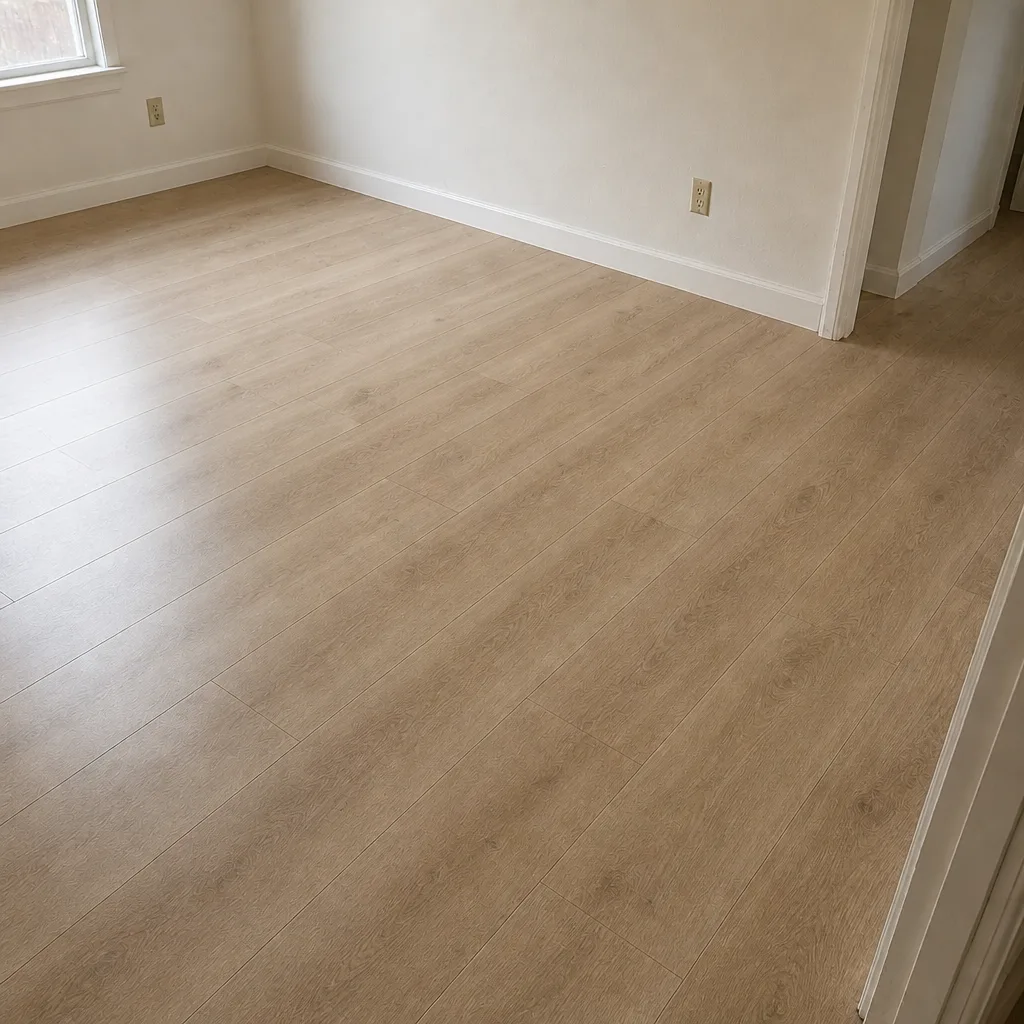
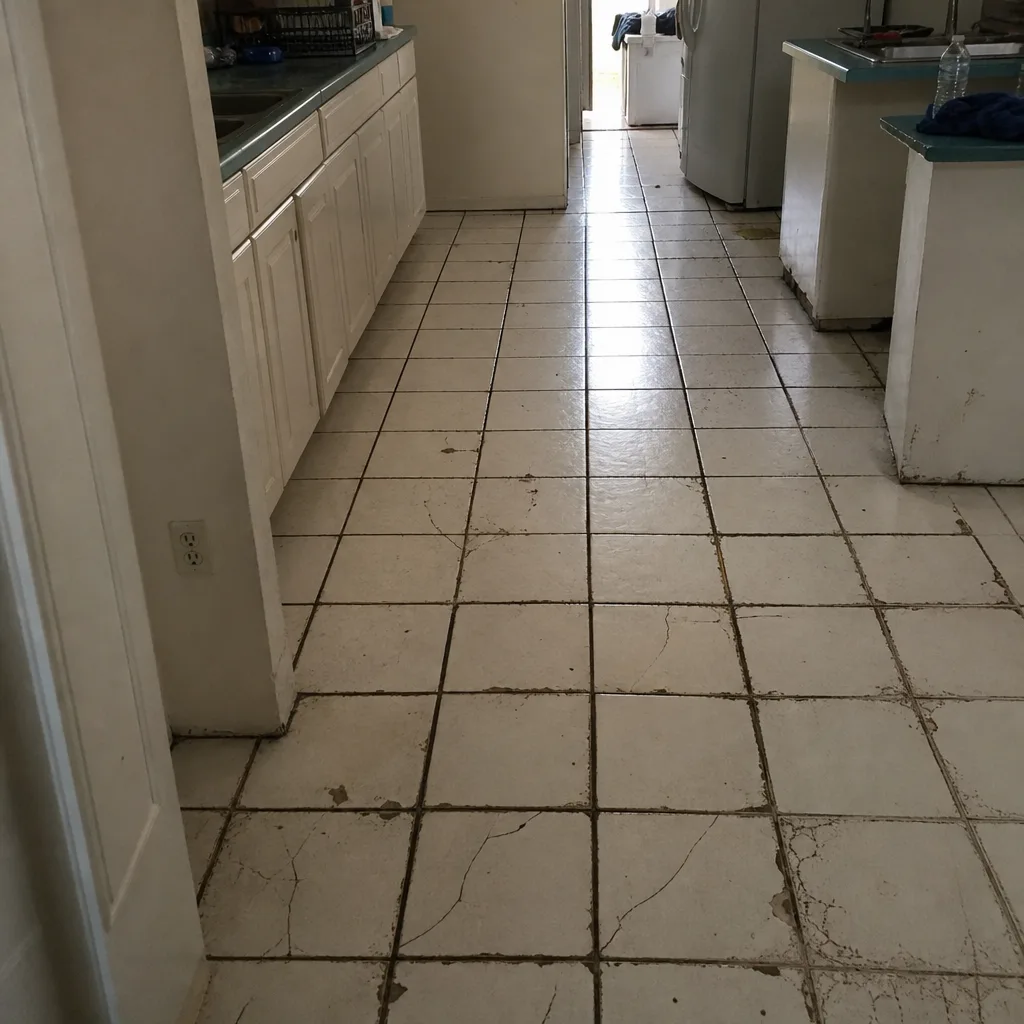
See the difference
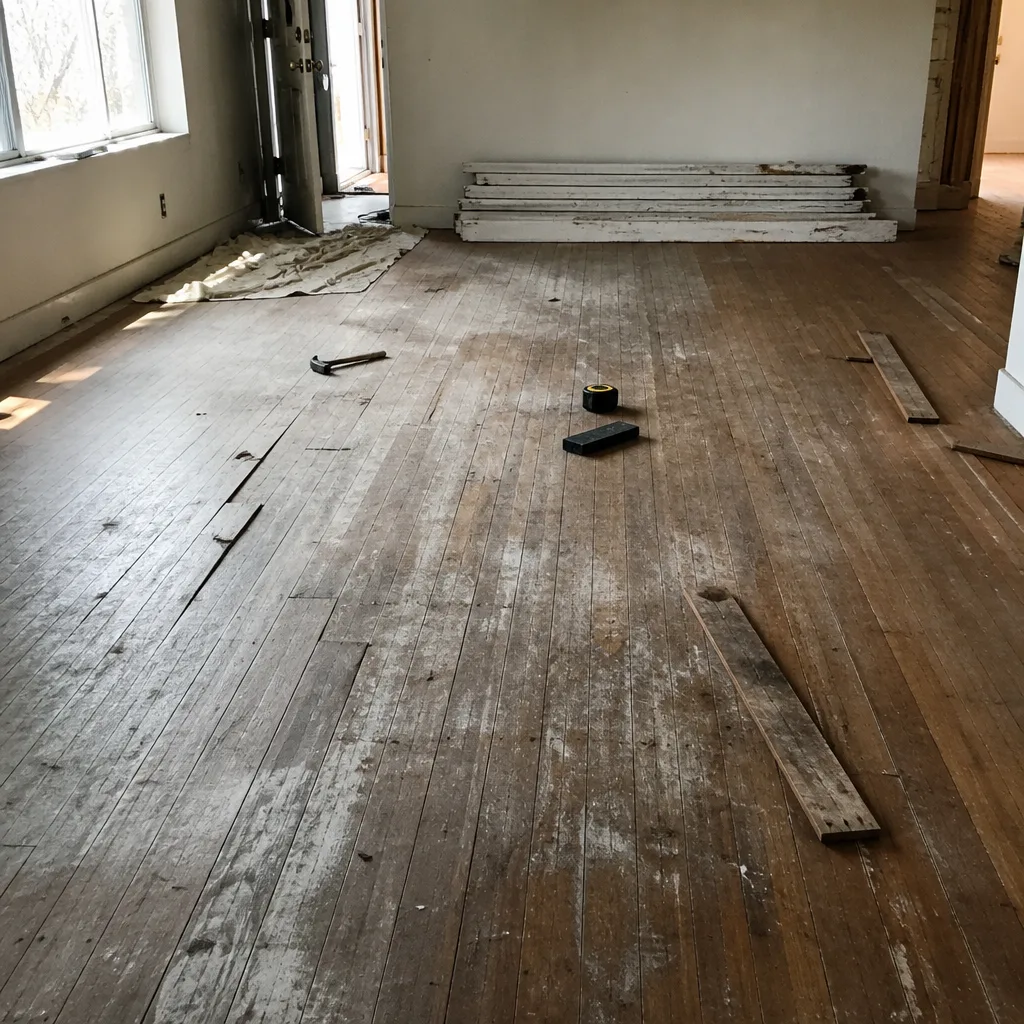 Before
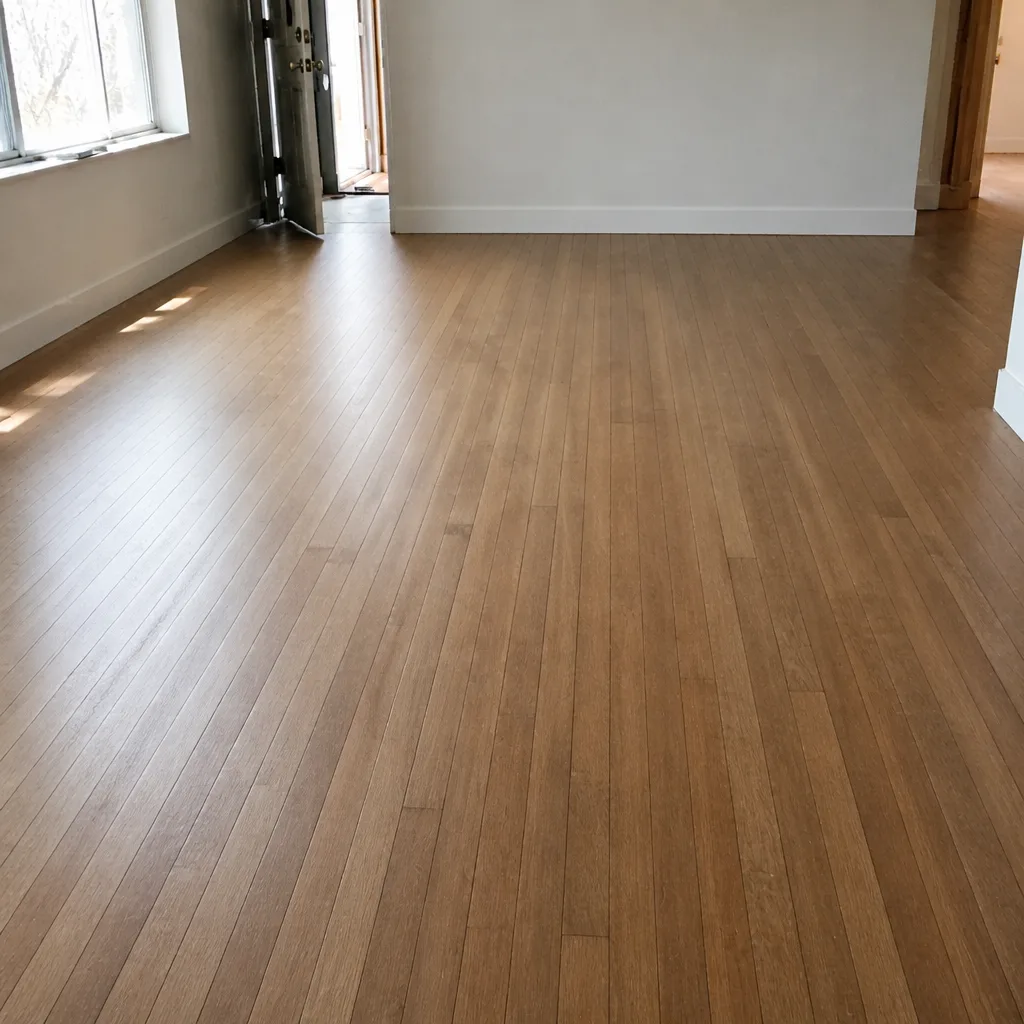 After
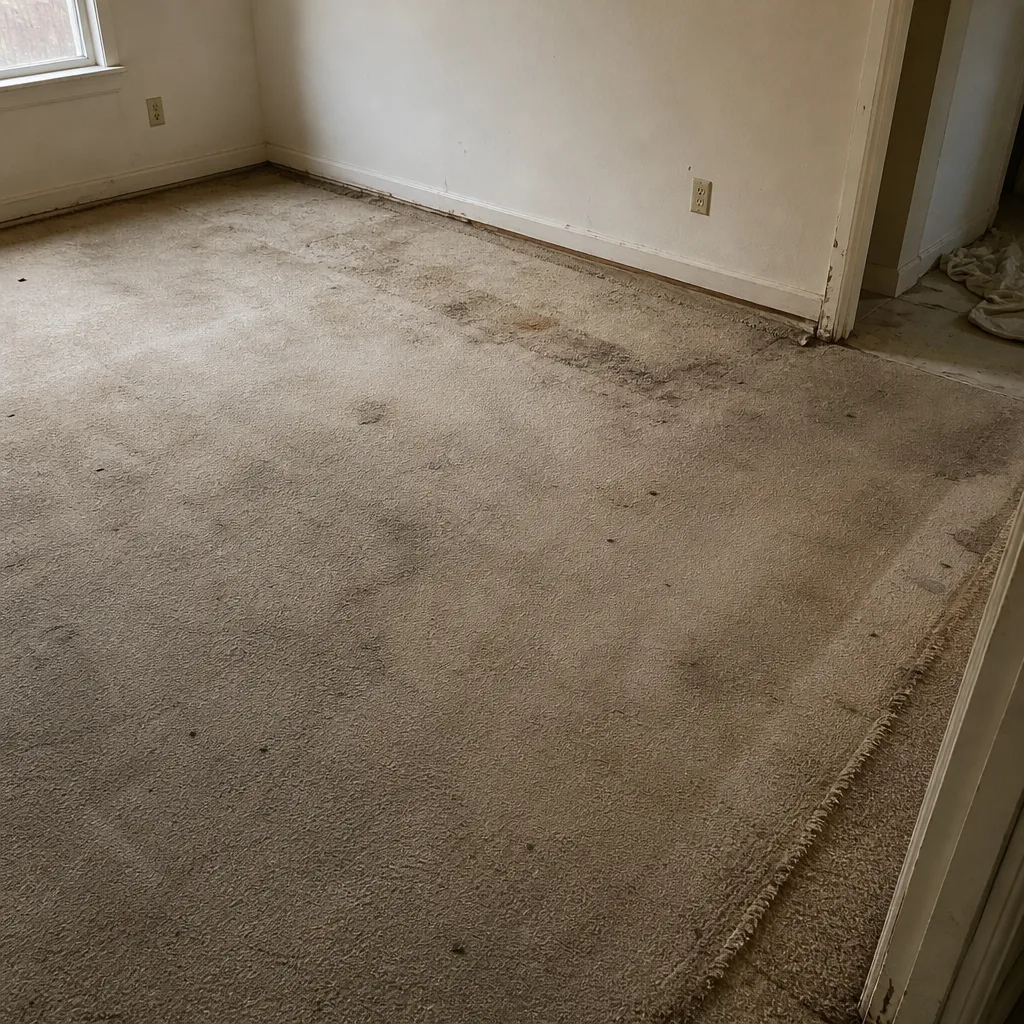 Before
 After
 Before
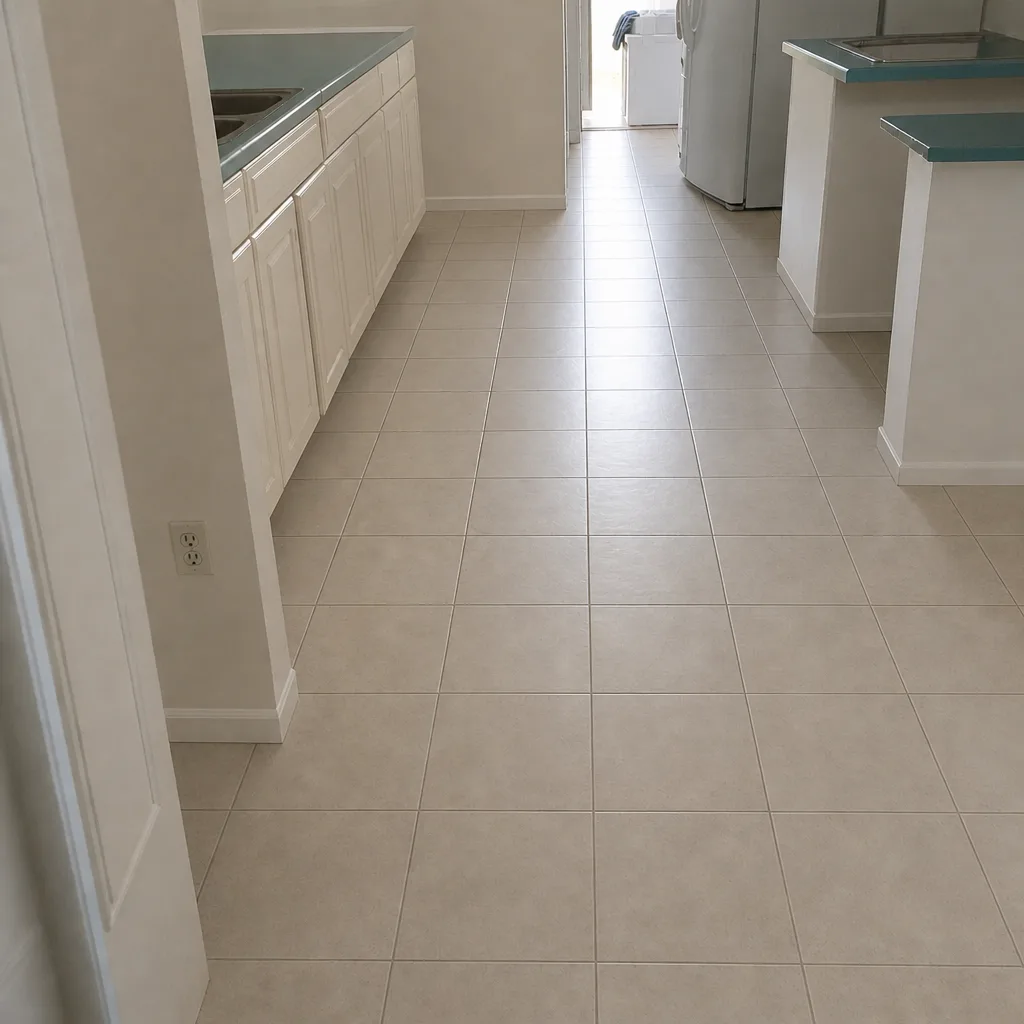 After
When to Call a Professional
Most routine floor care is a homeowner job. Some problems aren’t. Call a professional when wood flooring shows cupping, widespread gapping, or a spot where the finish has worn through to bare wood; when water damage from a leak or appliance failure has soaked into carpet, laminate or vinyl; when grout is cracking across a tile floor, or a grout line is missing; or when a floor was cleaned with the wrong product and now has a dull, sticky film you can’t remove. Wood refinishing is a craft job, and whether a specific floor can be sanded and refinished depends on the wood’s thickness and condition, which needs a look in person rather than a guess. Floors Las Vegas offers free estimates in Las Vegas. Call (844) 761-9353 to schedule your free estimate. We answer 24/7. Fast dispatch from 7am to 7pm, Sunday through Friday.
Frequently Asked Questions
Clean hard floors weekly with a dry mop and an occasional damp mop, and vacuum carpet in high-traffic areas at least weekly. Desert dust settles faster here than in humid climates, so entryways, kitchens and hallways in a Las Vegas home often need quick touch-ups through the week. For a written care plan specific to your install, call (844) 761-9353 for a free estimate.
Not if you manage indoor humidity with a hygrometer and a portable humidifier through the dry season. The risk isn’t steady dry air on its own; it’s sharp swings between dry winter air and the more humid monsoon season, which cause wood to shrink, gap, then swell and cup. If you see widespread gapping or cupping, call a professional. Estimates are free at (844) 761-9353.
No. Steam mops push heat and moisture into seams and adhesive, which is one of the most common causes of lifting edges and bubbling. Use a damp mop with a pH-neutral cleaner instead, and follow the manufacturer’s care instructions for your specific product line. If you’re not sure what’s safe on your floor, call (844) 761-9353 for guidance before you buy a cleaner.
Block the direct sun with window film, UV-rated blinds or solar shades, and even out exposure by rotating rugs and repositioning furniture a couple of times a year. The sunward side of a floor will always age a little faster, but keeping exposure even across the room prevents the differential fading that reads as damage. Call (844) 761-9353 to schedule a free estimate if you’re replacing a faded floor.
Cloudy grout is usually a hard-water film, not dirt, and it’s very common in Las Vegas where tap water is mineral-heavy. A pH-neutral tile cleaner, a soft brush and a dry towel after mopping handle most of it; avoid acidic descalers, which can strip sealer and dull glazed tile. For grout repair or replacement tile work, call (844) 761-9353. Estimates are free.
Warranty requirements are the minimum maintenance that keeps the manufacturer’s warranty in force, such as using the approved cleaner and avoiding steam mops. Best-practice care covers habits that extend finish life well beyond the minimum: humidity management, sun blocking, rug rotation and quick spill response. If you want both lists checked against your specific floor, call (844) 761-9353 to schedule your free estimate.
The Bottom Line
Caring for new flooring in Las Vegas means matching your routine to the material and managing what the desert adds on top: intense UV and very low indoor humidity. Hardwood and engineered wood need stable humidity and gentle cleaners. Luxury vinyl and laminate want pH-neutral products and damp mopping only, never steam. Tile and grout need neutral cleaners and quick drying to beat hard-water films. Carpet wants frequent vacuuming and fast blotting of spills. In every room, block direct sun and rotate rugs and furniture to even out fade. Doing what the warranty requires is a floor, not a ceiling; doing both keeps the floor looking new far longer. Call (844) 761-9353 for a free estimate.
Written by the team at Floors Las Vegas.