
Last updated November 17, 2026
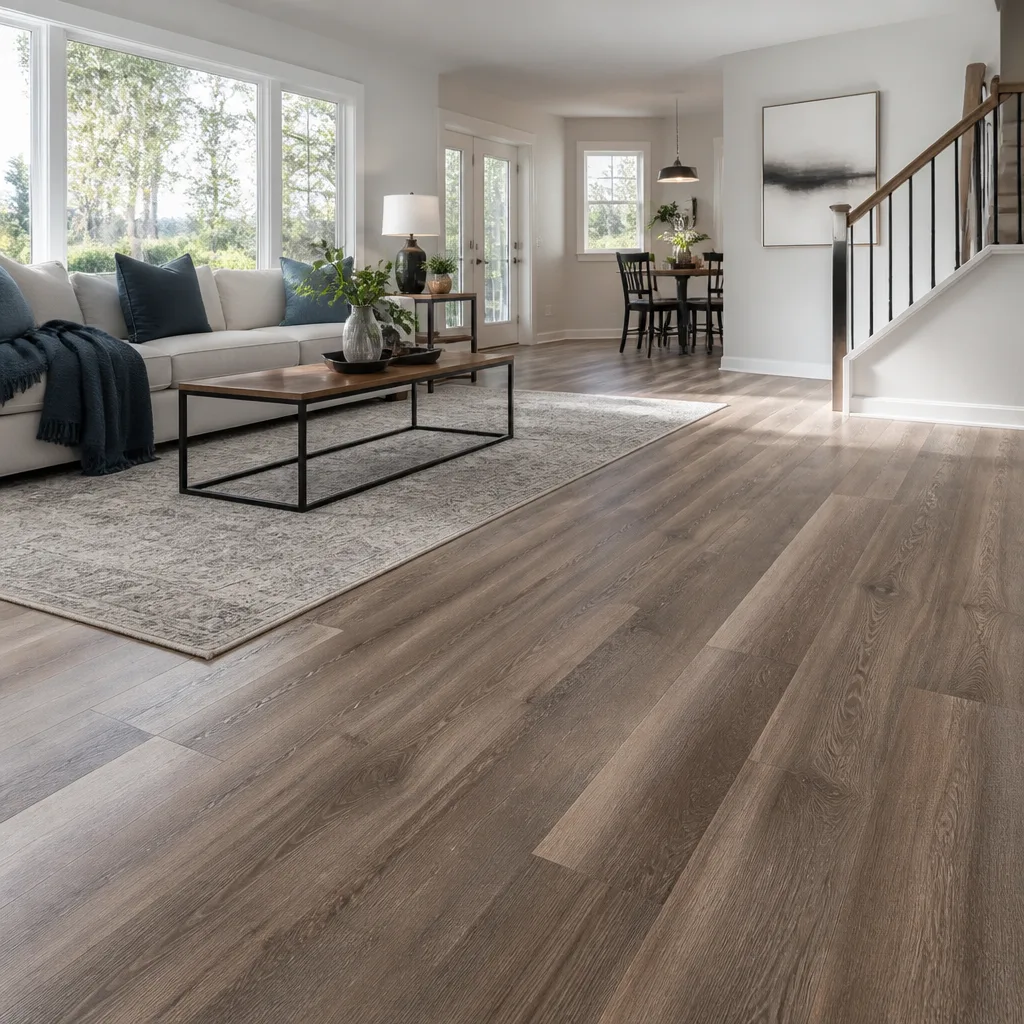 Luxury vinyl plank
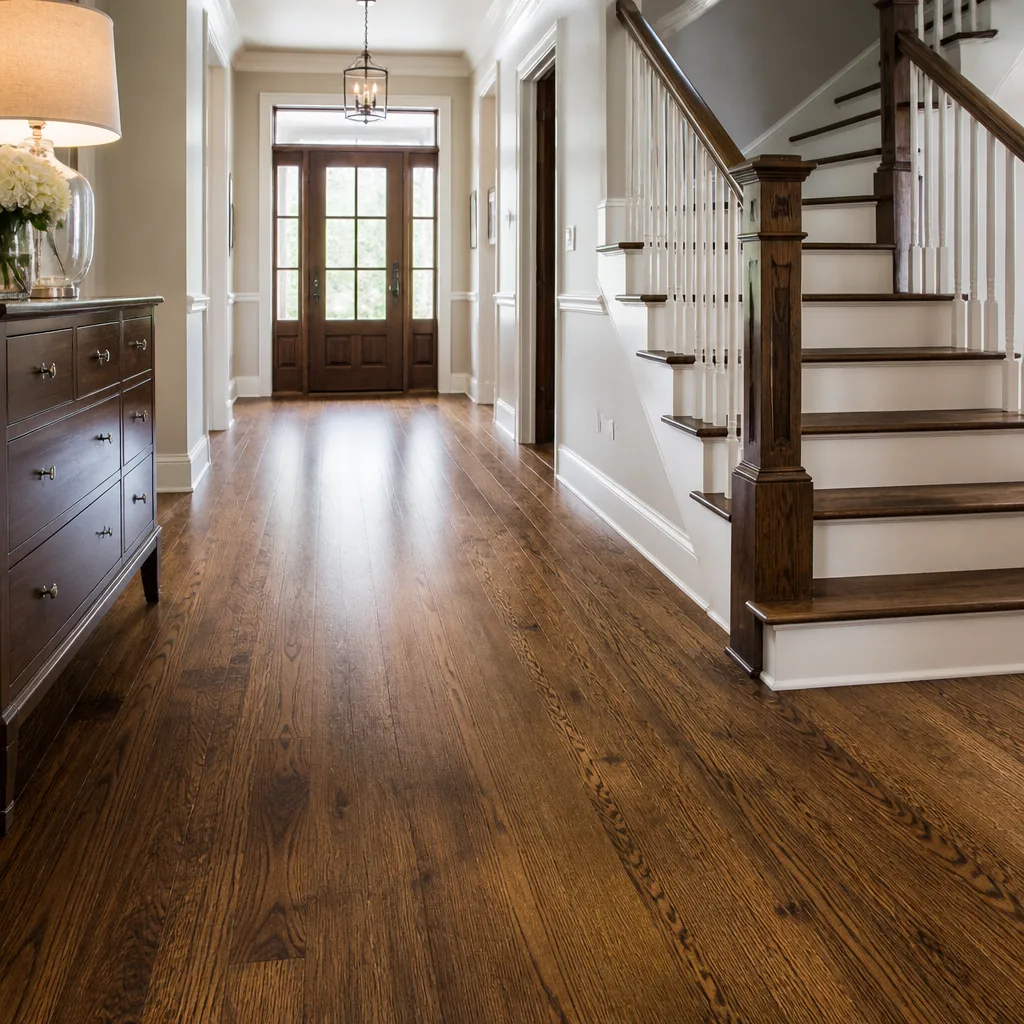 Hardwood
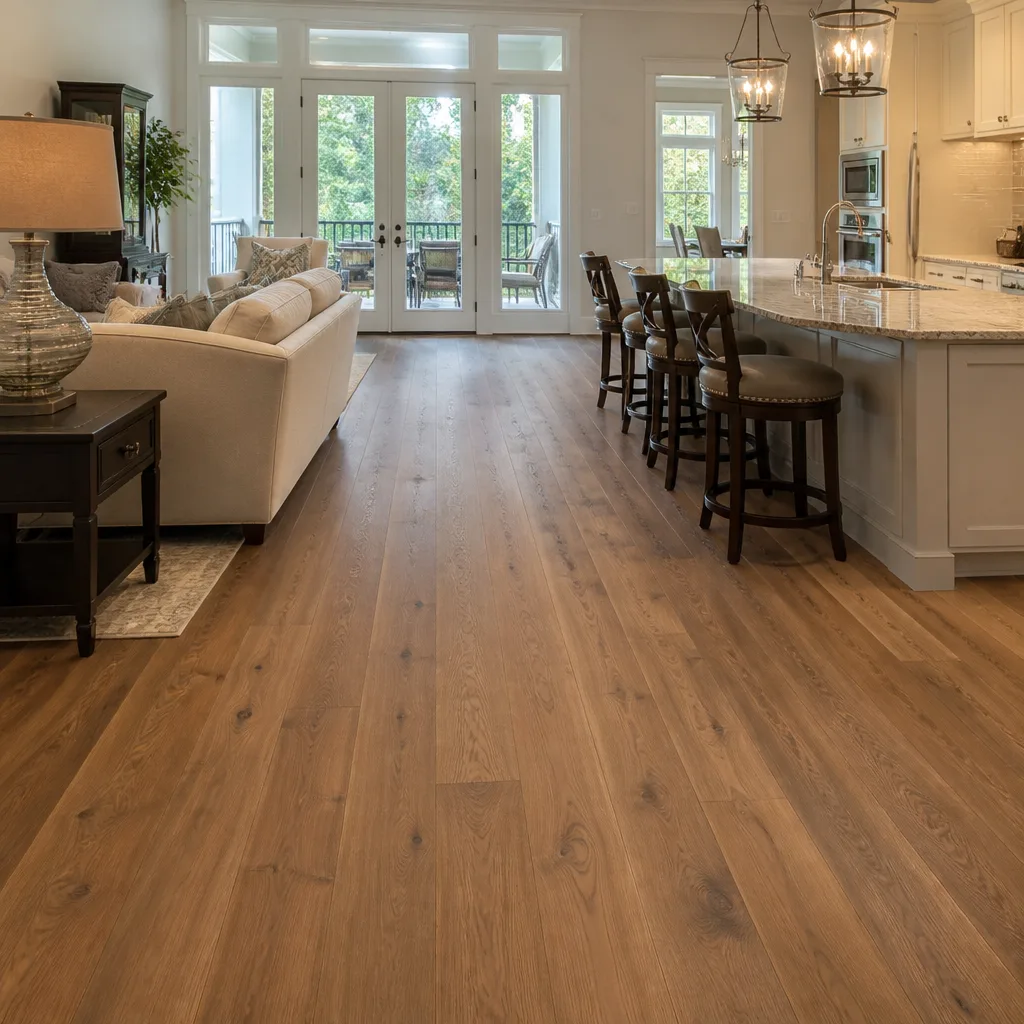 Engineered hardwood
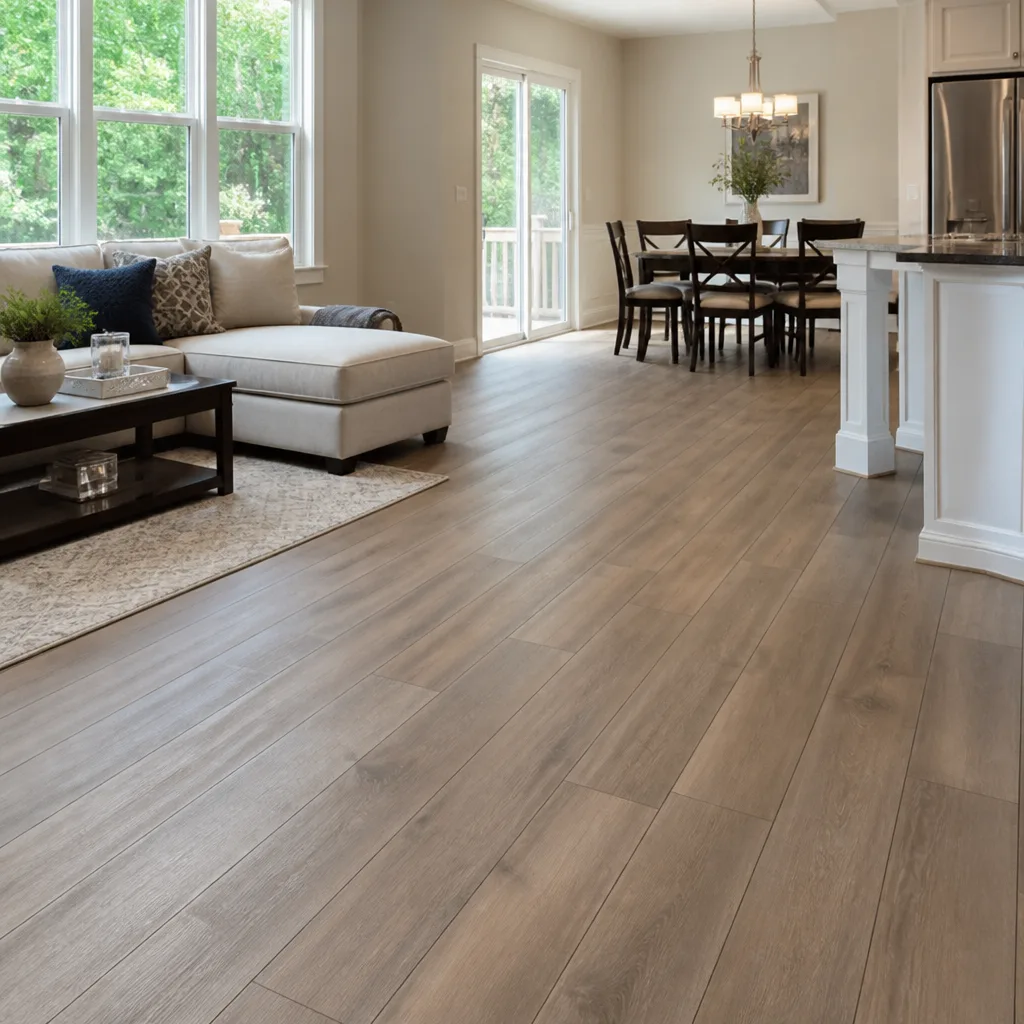 Laminate
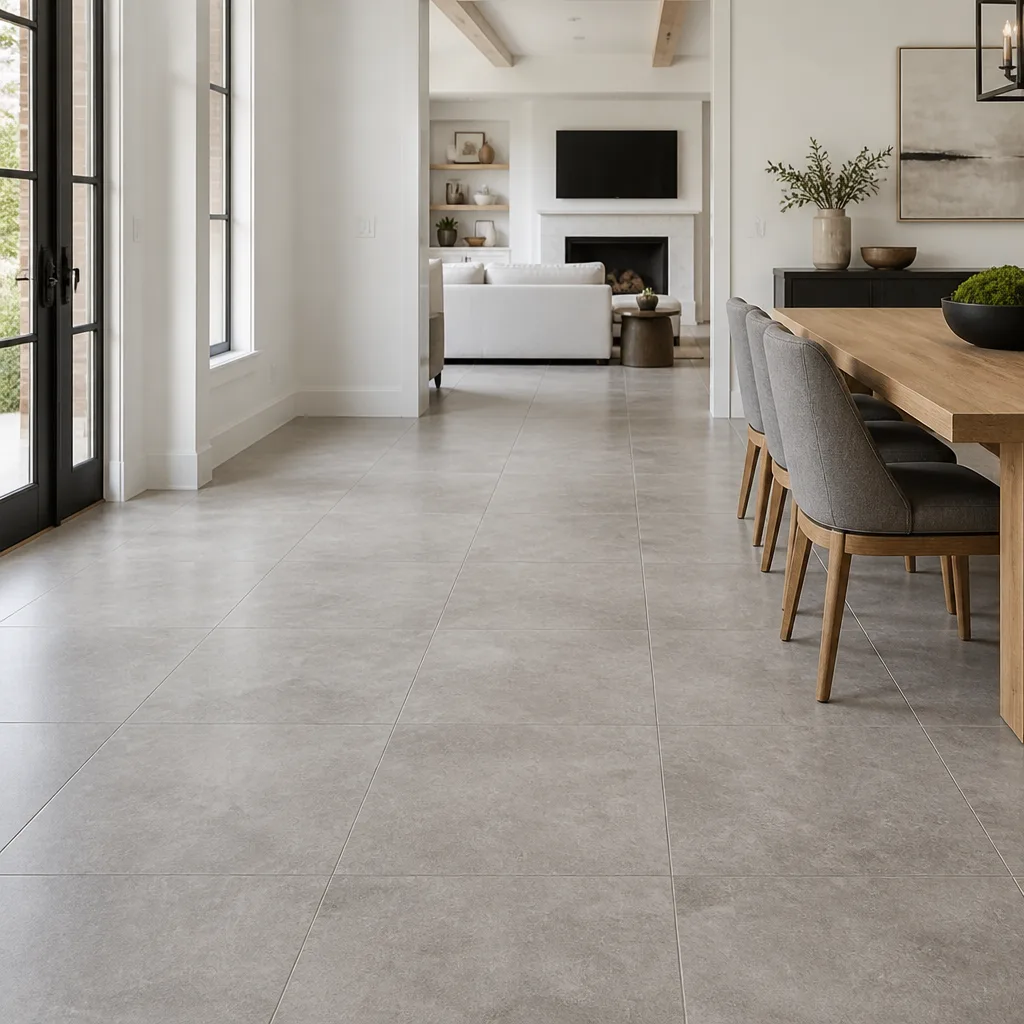 Porcelain tile
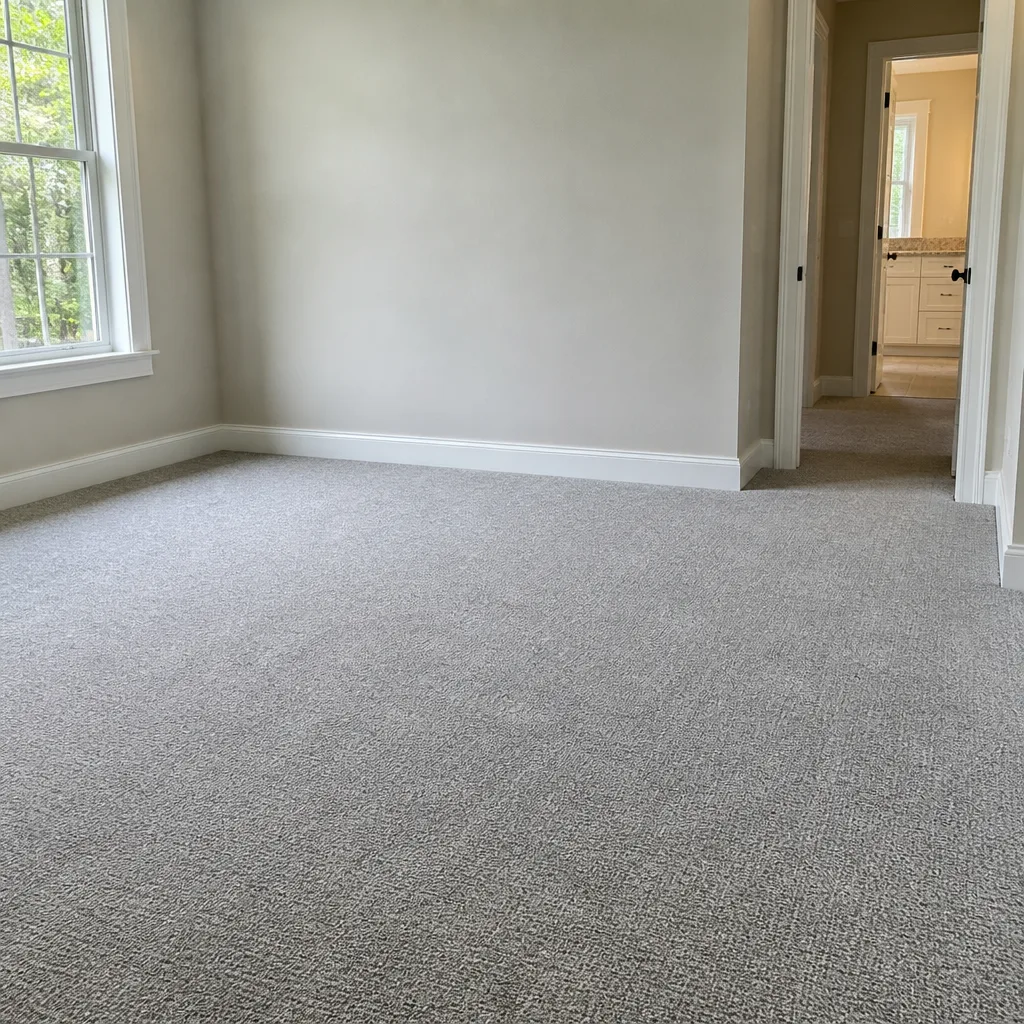 Carpet
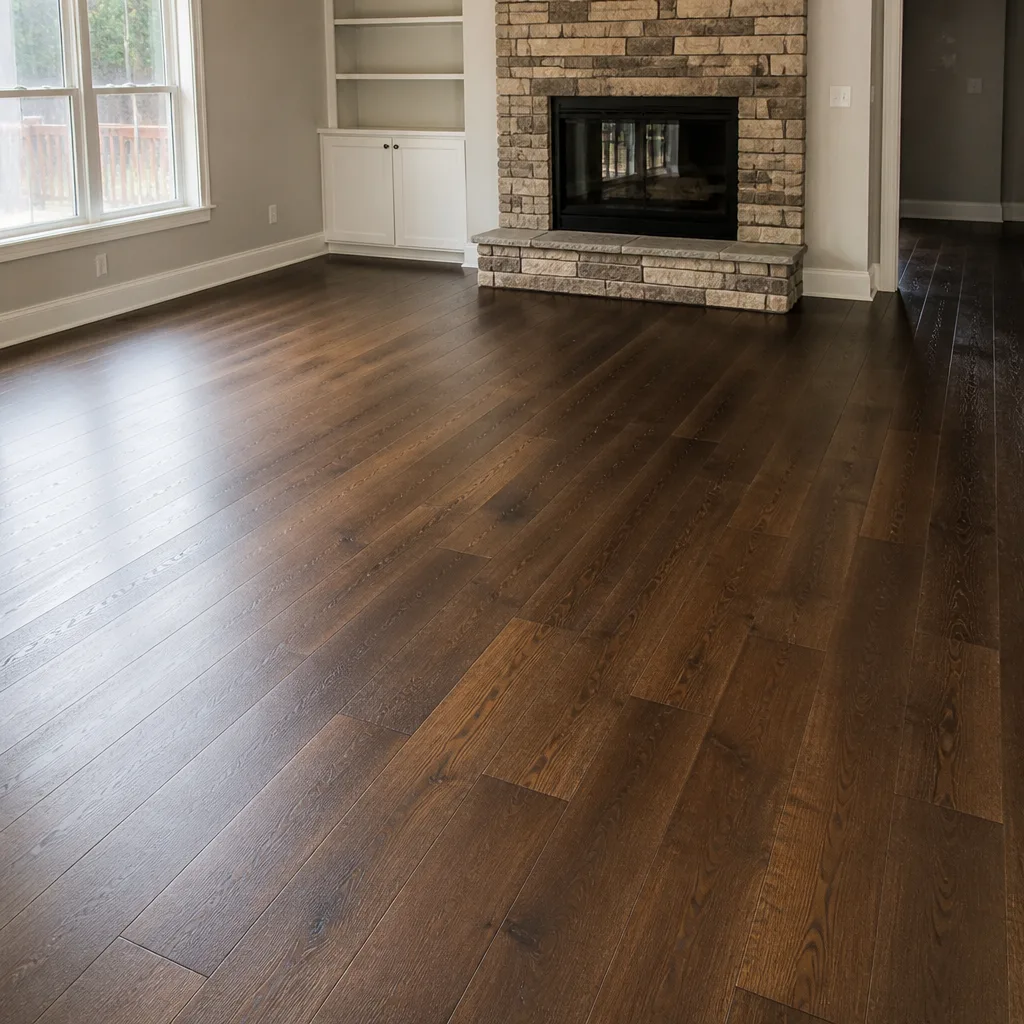 Shaw
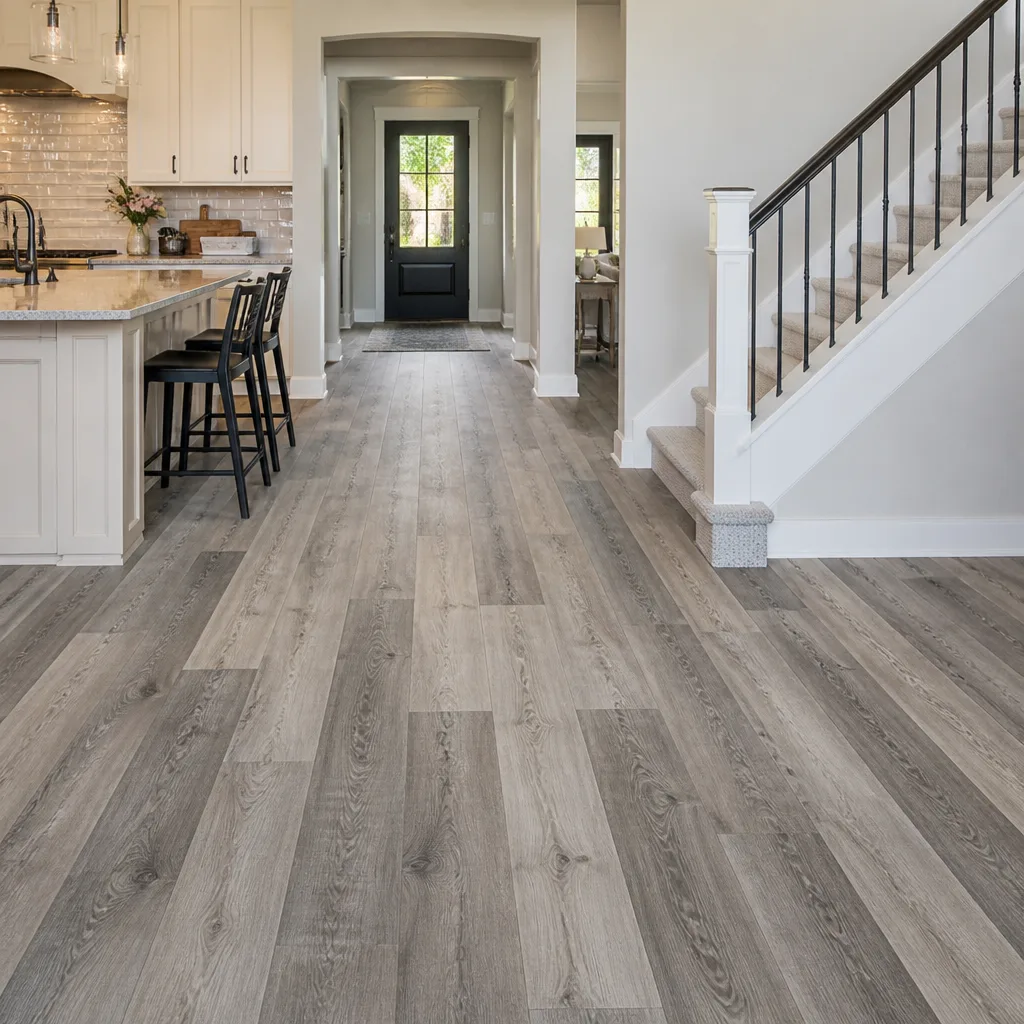 Mohawk
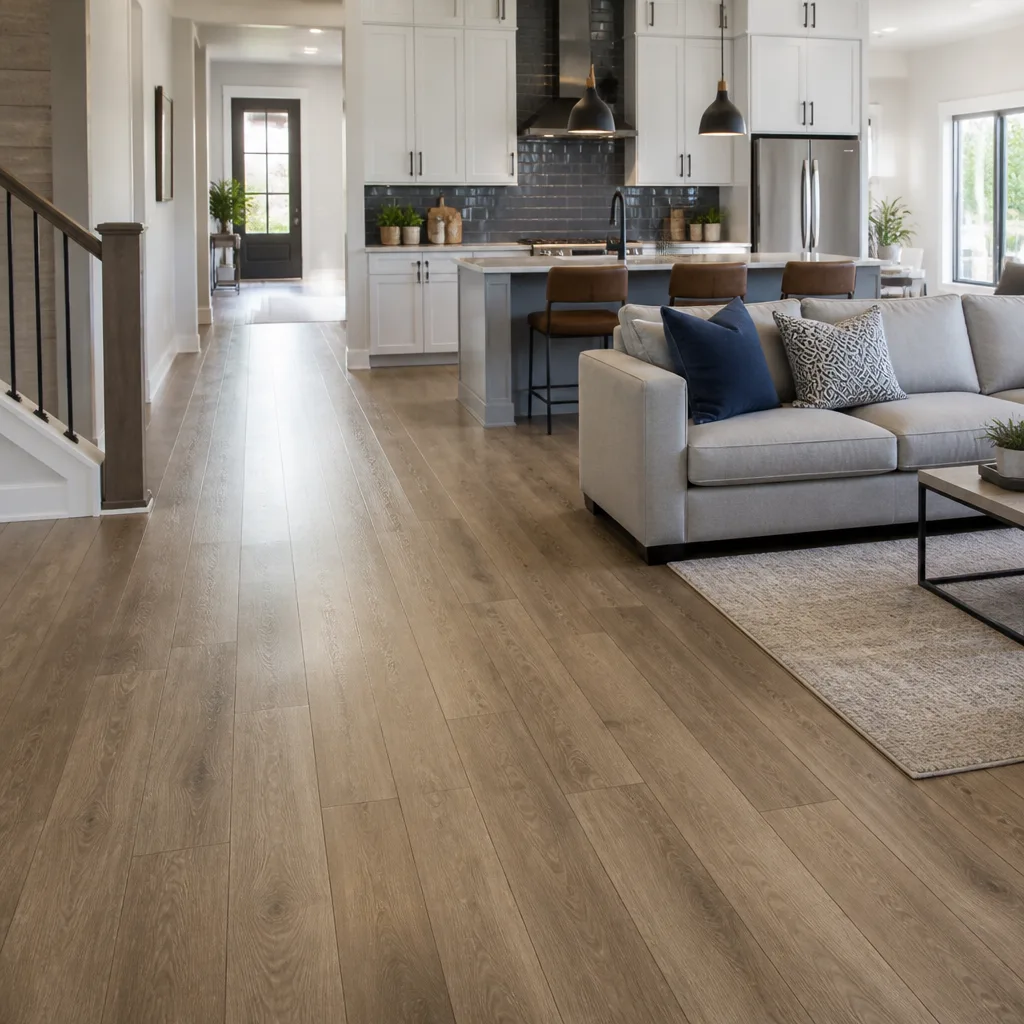 COREtec
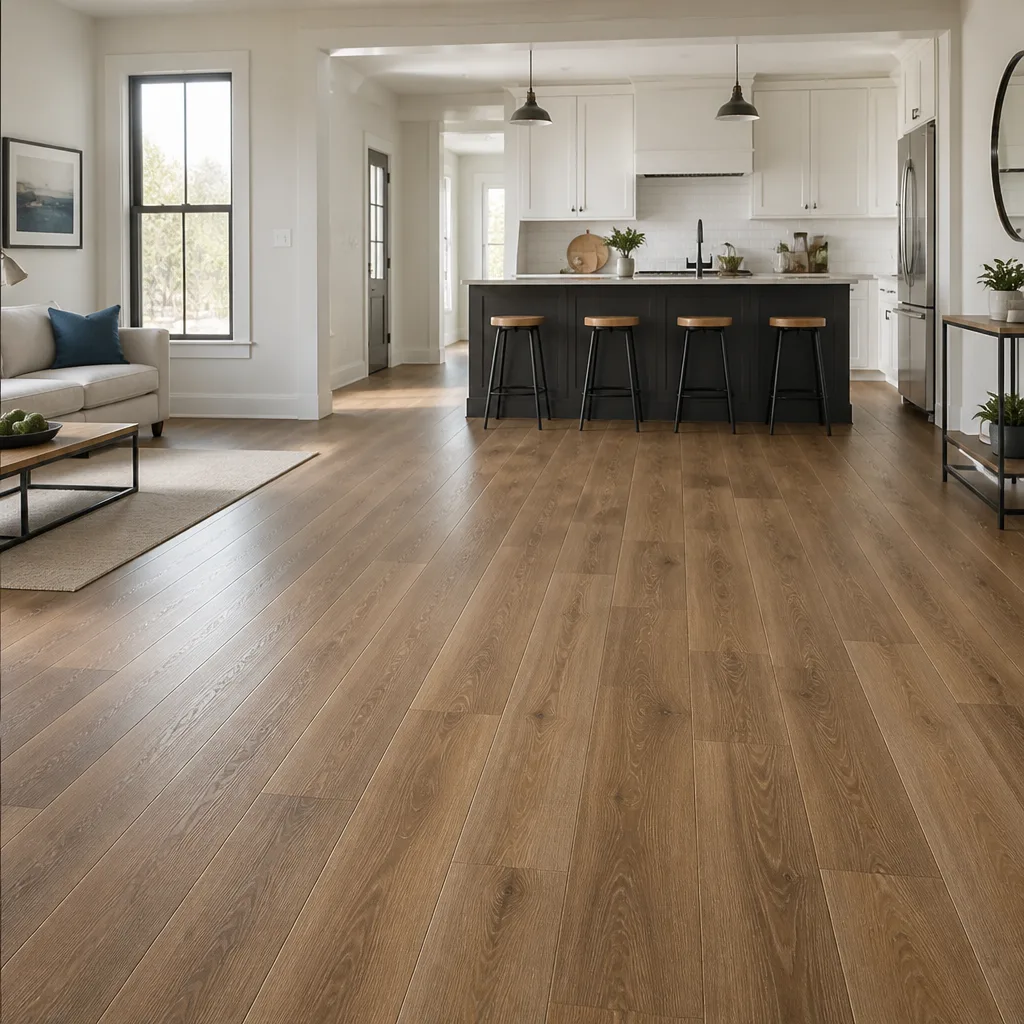 Pergo
Free in-home measure and written estimate: Shaw, Mohawk, COREtec and Pergo lines compared on your own rooms, with carpet, tile, vinyl plank, laminate and hardwood laid out side by side
Get your free estimateHardwood, Vinyl Plank, Laminate or Tile: How Las Vegas Homeowners Decide
Solid hardwood flooring in Las Vegas isn’t just risky – it’s a product the installation standards themselves warn against. The National Wood Flooring Association recommends against solid hardwood in environments with sustained relative humidity below 35%, and a Las Vegas interior sits in that range for roughly 200 days a year unless a whole-home humidifier is running. That single fact reshapes the whole hardwood-versus-vinyl-versus-tile debate here. The real comparison in Las Vegas isn’t solid oak against luxury vinyl plank. It’s engineered wood against LVP against porcelain tile, judged on how each one handles dry air, a concrete slab, and desert sun. This guide walks through the stability profiles, the resale reality, the UV story, and a budget-tier decision framework so you can pick with your eyes open.
Styles & brands we work with
- Hardwood
- Engineered hardwood
- Luxury vinyl plank
- Laminate
- Porcelain tile
- Carpet
- Shaw
- Mohawk
- COREtec
- Pergo
Quick Answer
For most Las Vegas homes, the smartest floor is porcelain tile in wet and high-traffic zones and either engineered hardwood or luxury vinyl plank in living areas – solid hardwood is usually the wrong call because desert indoor humidity swings past what it tolerates. Engineered wood wins on resale expectation and feel; LVP wins on water resistance and installed cost; tile wins on durability and heat tolerance. The right pick comes down to your budget tier, your slab, and how much natural light the room gets.
Table of Contents
- Why solid hardwood loses in Las Vegas before the estimate even starts
- The humidity tolerance spectrum: where each floor actually sits
- Engineered wood vs. LVP on a Las Vegas concrete slab
- Resale value reality check: what Las Vegas buyers expect
- UV fade resistance and why wear layer thickness isn’t the whole LVP story
- The $3, $5, and $8+ per square foot decision framework
- Where laminate fits – and where it doesn’t
- Refinished, not replaced: the hardwood option people forget
- Common mistakes to avoid
- When to call a professional
- Frequently asked questions
- The bottom line
Why Solid Hardwood Loses in Las Vegas Before the Estimate Even Starts
Solid hardwood is milled from a single piece of wood. That means it moves – expands in humid air, contracts in dry air – as one continuous slab of material. In a climate where indoor relative humidity can drop below 20% in summer and climb in the monsoon weeks, that movement is relentless. Boards cup, gap, and crown at the seams. The NWFA guidance against sustained sub-35% humidity isn’t a caution; it’s an installation standard, and Las Vegas interiors trip it repeatedly.
Engineered hardwood solves the movement problem by construction. It’s built from a plywood core – multiple cross-layered wood veneers – topped with a real hardwood wear layer. The cross-lamination restrains the expansion and contraction that a single solid board can’t fight. That’s why engineered wood is the correct hardwood comparison point in Las Vegas, not solid. It still looks and feels like wood underfoot because the top layer is wood.
Three practical consequences for a Las Vegas homeowner:
- Solid hardwood over a concrete slab is a poor pairing. Concrete wicks and holds ambient moisture unevenly, and a solid board laid over it has no give. Engineered or floating systems handle slabs far better.
- A whole-home humidifier can pull a Las Vegas interior back into solid hardwood’s range, but that’s a system to run and maintain, and it changes the math on the floor decision.
- Second-floor wood subfloors are the one place solid hardwood has a fair shot in this climate – the subfloor is wood, not concrete, and the room can be humidity-controlled.
If you want the wood look and you live in Las Vegas, engineered is usually where the conversation should start. We install and service the floor you choose – our role is to help you weigh the construction against your home, not to steer you toward a product that fights the climate.
The Humidity Tolerance Spectrum: Where Each Floor Actually Sits
Picture flooring on a line from most humidity-sensitive to least. Solid hardwood sits at the far sensitive end. Porcelain tile sits at the far tolerant end. Engineered wood and luxury vinyl plank sit in the middle, and knowing their order matters more than any spec sheet.
Here’s how the four categories line up in a dry-climate interior:
- Porcelain tile – most tolerant. Fired clay and glaze don’t care about humidity. Tile is dimensionally stable across the full range a Las Vegas home throws at it, which is why it’s the default in kitchens, baths, and entryways here.
- Luxury vinyl plank – highly stable. A vinyl core is essentially inert to humidity. LVP won’t cup or gap because the air dried out. It’s a strong candidate for rooms where the HVAC cycles hard or the house sits empty for stretches.
- Engineered hardwood – stable with a caveat. Cross-lamination tames most movement, but the wood wear layer still responds to air. It’s far more forgiving than solid, but not humidity-proof. It wants the home to stay within a normal indoor range.
- Solid hardwood – least tolerant. The single-piece construction has no counter-force against movement. In a Las Vegas interior without humidity control, it’s the floor most likely to complain.
The takeaway is simple: the dry-climate tie-breaker isn’t “wood vs. plastic.” It’s “how much does this product move when the air dries out.” Tile barely moves. LVP doesn’t move. Engineered wood moves a little. Solid wood moves the most.
One related note: none of these floors should be called waterproof. LVP and laminate are water-resistant on the surface, meaning a spill can be wiped up without swelling the core. But standing water, a slow leak, or moisture rising from the slab still has to be handled. Water resistance is a feature, not a guarantee.
Engineered Wood vs. LVP on a Las Vegas Concrete Slab
Most Las Vegas homes sit on a slab, and the slab is the variable that decides more installations than the product brochure does. A concrete slab in the desert is cool, dense, and sometimes uneven. It also holds ambient moisture unevenly depending on where it sits in the house. Both engineered wood and LVP can go over a slab – but the preparation differs, and that difference is why a site visit matters more than a showroom trip.
What we check at the estimate before either floor goes down:
- Slab moisture. A reading tells us whether the concrete is ready or needs a moisture barrier first. This is the single biggest predictor of a call-back.
- Flatness. A slab that’s out of tolerance needs leveling or a subfloor system before any plank or board goes down. Cupping and hollow spots usually trace back to a subfloor that was never addressed.
- Existing floor removal. Tile tear-out, old carpet, or a glued-down floor all add steps and time. The written estimate should spell that out, not fold it into a mystery number.
- Expansion gaps. Every floating floor needs room to move at the walls. In a dry climate the gap allowance still matters – a floor pinned tight against the perimeter will buckle.
- Transition points. Doorways, thresholds, and where the new floor meets tile all need a plan before the first plank is cut.
Engineered wood over a slab typically wants a moisture barrier and a system that allows the floor to float or be glued, depending on the product. LVP is more forgiving on a slab because the core won’t respond to moisture from below the way wood does – but the surface still has to be flat, and the barrier still matters. Neither install works if the slab isn’t read correctly first.
That’s why we do a free in-home measure and estimate before quoting. The slab tells us what the room needs, and the written price reflects what we actually find. If your slab reads dry and flat, your options open up. If it doesn’t, we tell you before you spend a dollar.
Resale Value Reality Check: What Las Vegas Buyers Expect
Here’s the honest version of the resale conversation. Buyer surveys consistently show that real hardwood is the flooring buyers say they want most, and luxury vinyl plank sits lower on that same wish list – even though LVP has cleaned up its image considerably. That gap is real. It’s also more nuanced in Las Vegas than a national survey suggests, because buyers here already understand that solid hardwood doesn’t love this climate.
What that means in practice:
- Engineered hardwood reads as “real wood” to most buyers and captures much of the hardwood premium without the climate risk. It’s the resale-safe wood-look choice in a Las Vegas listing.
- Luxury vinyl plank reads as a durable, practical floor – especially in the premium, design-forward brands. Buyers in a hot market accept it readily; it’s when you’re selling into a soft market that the gap to hardwood widens.
- Porcelain tile is neutral-to-positive in Las Vegas because buyers here expect tile in kitchens and baths. Oversized tile in a living area is a taste call, not a value killer.
- Laminate is the floor buyers tend to see as a budget step below LVP, even where the product looks good. It’s rarely a selling point on its own.
The resale rule we’d offer any Las Vegas homeowner: don’t buy the floor for the next buyer’s survey. Buy the floor that fits how you live and your slab, and choose a product quality tier you can defend. A well-installed premium LVP will hold its value in this market far better than a cheap engineered wood that was installed over a wet slab.
UV Fade Resistance and Why Wear Layer Thickness Isn’t the Whole LVP Story
Las Vegas gets roughly 200-plus days of strong sun a year, and that sunlight does two things to a floor: it fades color and it reveals every product weakness. This is where the “wear layer thickness” spec that LVP marketing leans on stops telling the whole story. Wear layer measures resistance to foot traffic and scuffs. It says nothing about how a floor handles sunlight.
How each category handles UV:
- Porcelain tile is fired at high temperature and its color is baked into the glaze or body. Sunlight doesn’t fade it. This is why tile in a sun-drenched Las Vegas great room or lanai is a low-risk choice.
- Luxury vinyl plank varies widely by product and brand. Premium LVP lines – COREtec and Karndean are the design-forward names we carry – build in UV-stable color layers and protective coatings that resist fading far better than entry-level vinyl. Wear layer doesn’t predict this; the product’s color construction does.
- Engineered hardwood is real wood, and real wood changes in strong light. A wood wear layer with a good finish will hold its color better than an unfinished one, but expect some patina over years in a bright room. That’s wood behaving like wood.
- Laminate varies by product. Some lines use UV-stable photo layers; others don’t. Pergo is a laminate name with a long track record, but not every laminate photo layer holds color the same.
Practical takeaway: if a room faces west or south with big windows and you want LVP, ask what the product’s UV story is, not just the wear layer number. Wear layer thickness tells you about scuffs. UV stability tells you whether the floor still looks like itself in five summers.
The $3, $5, and $8+ Per Square Foot Decision Framework
Price tiers are where the hardwood-versus-vinyl-versus-tile debate meets reality. At each tier you give something up and gain something, and the trade is different in every category. Here’s what we’d walk a Las Vegas homeowner through at each price point, using typical installed material pricing – and the written estimate, not this guide, sets the final number.
- Around $3 per square foot (materials): Laminate and entry-level luxury vinyl plank live here, with basic tile possible on the low end.
- What you gain: a wide range of looks at a low entry cost, fast installation, easy care.
- What you give up: wear layer durability, UV stability, and much of the resale premium. LVP in this range is water-resistant, not built for a busy household.
- Around $5 per square foot: mid-tier LVP, mid-tier engineered wood, and standard porcelain tile.
- What you gain: a meaningful step up in wear layer, color stability, and stone-look tile options. Mid-tier LVP from a name like LifeProof or Mannington lives here.
- What you give up: you’re still not buying the top of any category. The engineered woods at this price have thin wear layers and fewer refinishing options.
- $8 per square foot and up: premium LVP, engineered hardwood with a substantial wear layer, and large-format or high-design porcelain.
- What you gain: the top end of UV stability and wear resistance in LVP (this is where COREtec and Karndean sit), real wood with enough wear layer to consider refinishing, and design-led tile that reads as a feature floor.
- What you give up: nothing you’ll notice except the budget. At this tier, installation quality matters more than product choice.
One rule we’ll always stress: installation cost is separate from material cost, and a cheap product installed badly outperforms nothing. The best floor is the one the slab and the room can actually support. A $9 engineered wood on a wet slab is a worse investment than a $5 LVP installed with a proper moisture barrier.
Where Laminate Fits – and Where It Doesn’t
Laminate gets overlooked in the hardwood-vs-vinyl debate because LVP stole its thunder. Both are floating floors, both look like wood, both are water-resistant on the surface. The difference is in the core: laminate is a wood-fiber core with a photographic wear layer on top; LVP is a vinyl core with a printed layer. In a dry Las Vegas interior, laminate’s core can still respond to moisture swings a little, while LVP’s won’t.
Where laminate makes sense:
- Rooms that stay cool and out of direct sun, with a stable indoor environment.
- A budget that lands between entry-level LVP and mid-tier engineered wood, where a laminate like Pergo’s higher lines gives a good wood look at a lower cost.
- Rentals or rooms where the floor’s job is durability and appearance, not resale premium.
Where laminate is the wrong choice:
- Rooms with moisture rise from the slab and no barrier plan – the fiber core is the weakness.
- A bright, west-facing great room where UV stability matters more than the price.
- Anywhere you’re optimizing resale; buyers in Las Vegas see laminate as a step below LVP.
We supply and install the floor you choose, whether that’s laminate or a premium LVP like COREtec. The point is to match the product to the room, not to a single “best” answer.
Refinished, Not Replaced: The Hardwood Option People Forget
If you already have engineered or solid hardwood in your Las Vegas home, you may not need to replace it at all. Refinishing a worn, dull, or dated hardwood floor can restore it to something that looks new, and it’s a dedicated service we offer as a flooring specialist rather than an install-only shop. That distinction matters: refinishing is craft work. Sanding, repair, and a new finish are a skill set that many installers don’t have in-house.
Whether your floor can be refinished depends on two things we check at the estimate:
- The thickness of the wood wear layer. Refinishing sands away a thin top slice. If the wear layer is already thin, there’s nothing left to sand. Solid hardwood typically has the most room; engineered wood depends on the product.
- The condition of the floor. Deep gouges, cupping, water damage, or a floor that’s been refinished before all reduce the options. We check the actual boards.
We never promise a refinish will match a sample or that every floor can be refinished. It’s an inspection-based call. But when a floor can take it, refinishing is often the more economical route than full replacement – especially if the wood is a quality engineered plank that would cost more to re-buy than to restore.
If you’re weighing refinishing against a new floor, our Floors Las Vegas guide lays out what each service involves so you can compare apples to apples.
Common Mistakes to Avoid
- Buying solid hardwood for a Las Vegas home without humidity control. The installation standards themselves push back on this. If you want wood, engineered is the correct starting point unless you’ve got a humidifier and a wood subfloor.
- Skipping the slab moisture check. The single most common cause of a floor failure isn’t the product – it’s a wet slab that was never read. A free in-home estimate catches this before you pay for material.
- Judging LVP on wear layer alone. Wear layer measures scuffs; UV stability, core construction, and finish quality decide how the floor looks in a bright room after a few summers.
- Assuming “waterproof” means careless. LVP is water-resistant, not a license to leave standing water. Slow leaks and slab moisture still damage any floating floor.
- Replacing hardwood that only needed refinishing. Get the wear layer checked before you tear out a floor that could be brought back.
- Buying tile on looks without a design plan for the room. Porcelain is durable and sun-proof, but a large-format tile in the wrong room reads as a taste mismatch, not a value add.
- Choosing a floor for resale before choosing it for the slab and the room. A premium LVP installed correctly holds its value better in Las Vegas than a cheap engineered wood on a wet slab.
When to Call a Professional
If you’re weighing a floor decision and you don’t know what your slab is doing, call. If you have hardwood that’s cupping, gapping at the seams, or worn through the finish, call – those are inspectable problems, and often refinishable. If you’ve got tile tear-out ahead, or a room where the existing floor and the new one have to meet at a transition you can’t figure out, call. If you’ve already picked a product and you want a written price before you commit, call. Our technicians have up to 11 years of experience reading Las Vegas subfloors, and Floors Las Vegas offers free estimates in Las Vegas – call (844) 761-9353. We answer 24/7. Fast dispatch from 7am to 7pm, Sunday through Friday. The estimate visit is where the slab, the room, and the price all come together, and the written estimate sets the final number.
Frequently Asked Questions
For most Las Vegas homes, yes. The National Wood Flooring Association recommends against solid hardwood in sustained relative humidity below 35%, and Las Vegas interiors sit in that range for roughly 200 days a year without a whole-home humidifier. Engineered hardwood is the correct comparison point here. Call (844) 761-9353 for a free estimate – we’ll check your slab and humidity situation.
Engineered hardwood wins the resale expectation because buyers read it as real wood, and LVP sits lower on buyer wish lists even though premium LVP has improved its image. That said, a well-installed premium LVP holds value better in this market than a cheap engineered wood on a wet slab. Call (844) 761-9353 to talk through your specific room.
It can, but premium LVP fades far less. Wear layer thickness doesn’t tell you the UV story – the product’s color construction and protective coating do. Design-forward lines like COREtec and Karndean build in UV stability that entry-level vinyl doesn’t. Ask about UV before you buy. Call (844) 761-9353 for product guidance.
Yes, and it’s one of the more forgiving pairings because the vinyl core won’t respond to slab moisture the way wood does. But the slab still has to be flat and dry, and a moisture barrier may be needed. That check is exactly what a free in-home estimate covers. Call (844) 761-9353 to schedule yours.
Typical installed material pricing runs around $3 per square foot for laminate and entry-level LVP, around $5 for mid-tier LVP, engineered wood, and standard porcelain tile, and $8+ for premium LVP, engineered hardwood with a substantial wear layer, and high-design tile. These are estimates; the written estimate sets the final price. Call (844) 761-9353 – estimates are free.
Often yes – it depends on the thickness of the wood wear layer and the condition of the floor, which we check at the estimate. Solid hardwood usually has the most refinishing room; engineered wood depends on the product. We never promise a refinish will match a sample, but if the floor can take it, it’s usually more economical than replacement. Call (844) 761-9353 to find out.
The Bottom Line
In Las Vegas, the hardwood-versus-vinyl-versus-tile decision is really engineered wood versus LVP versus porcelain, decided by three things: how the product handles dry air, what your slab is doing, and your budget tier. Solid hardwood is usually the wrong call in this climate. Engineered wood captures the wood look and most of the resale premium. Premium LVP delivers real water resistance and UV stability at a lower installed cost. Tile is the default in wet and high-traffic rooms. And if you already have hardwood, refinishing may save you from replacement altogether. Whichever direction you choose, the estimate is where the choice gets honest – a free in-home measure, a proper slab read, and a written price before anything is ordered.
Ready to price it out? Call Floors Las Vegas at (844) 761-9353 to schedule your free estimate. We answer 24/7. Fast dispatch from 7am to 7pm, Sunday through Friday. You can also read more about carpet installation, tile flooring installation, and what we cover across Las Vegas before you decide. Whatever floor you land on, we install and service the product you choose from nine trusted brands – a full-surface specialist, not a big-box generalist.
Written by the team at Floors Las Vegas.
See the difference
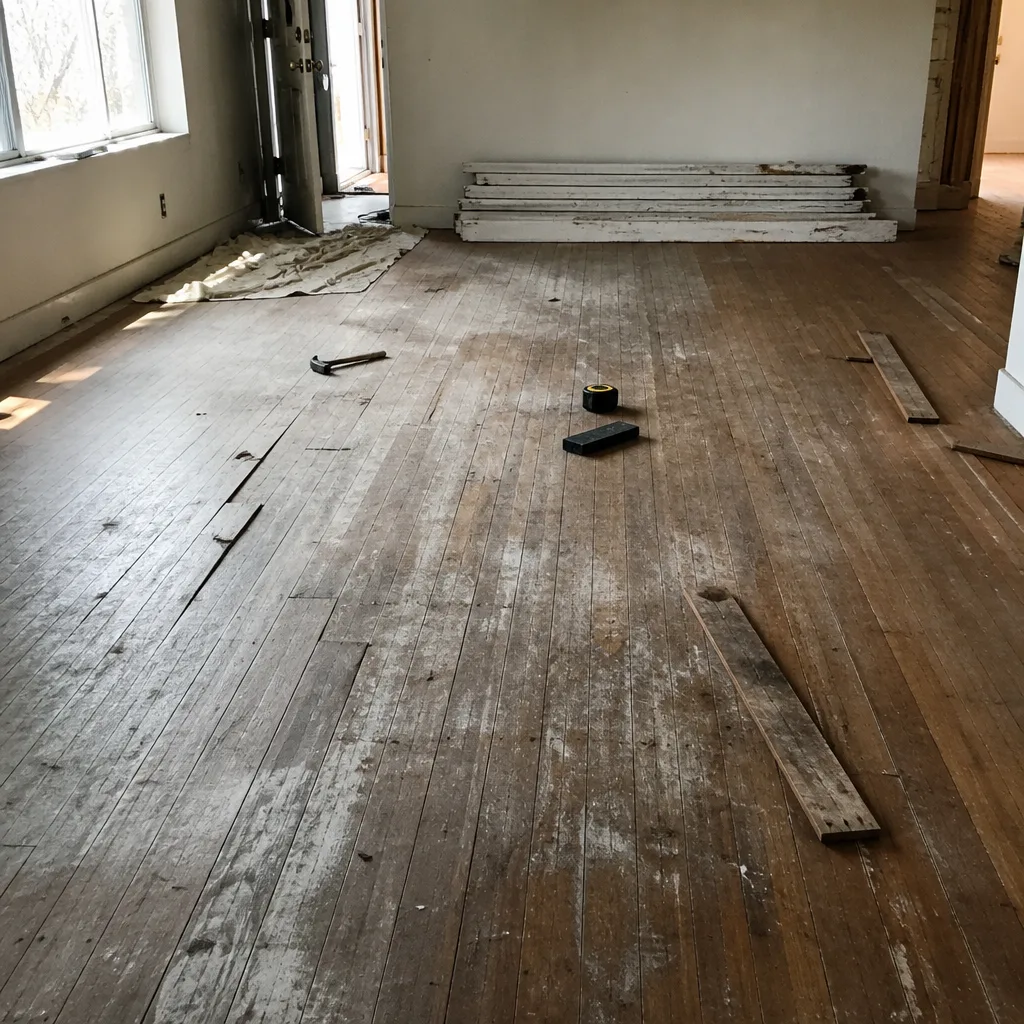 Before
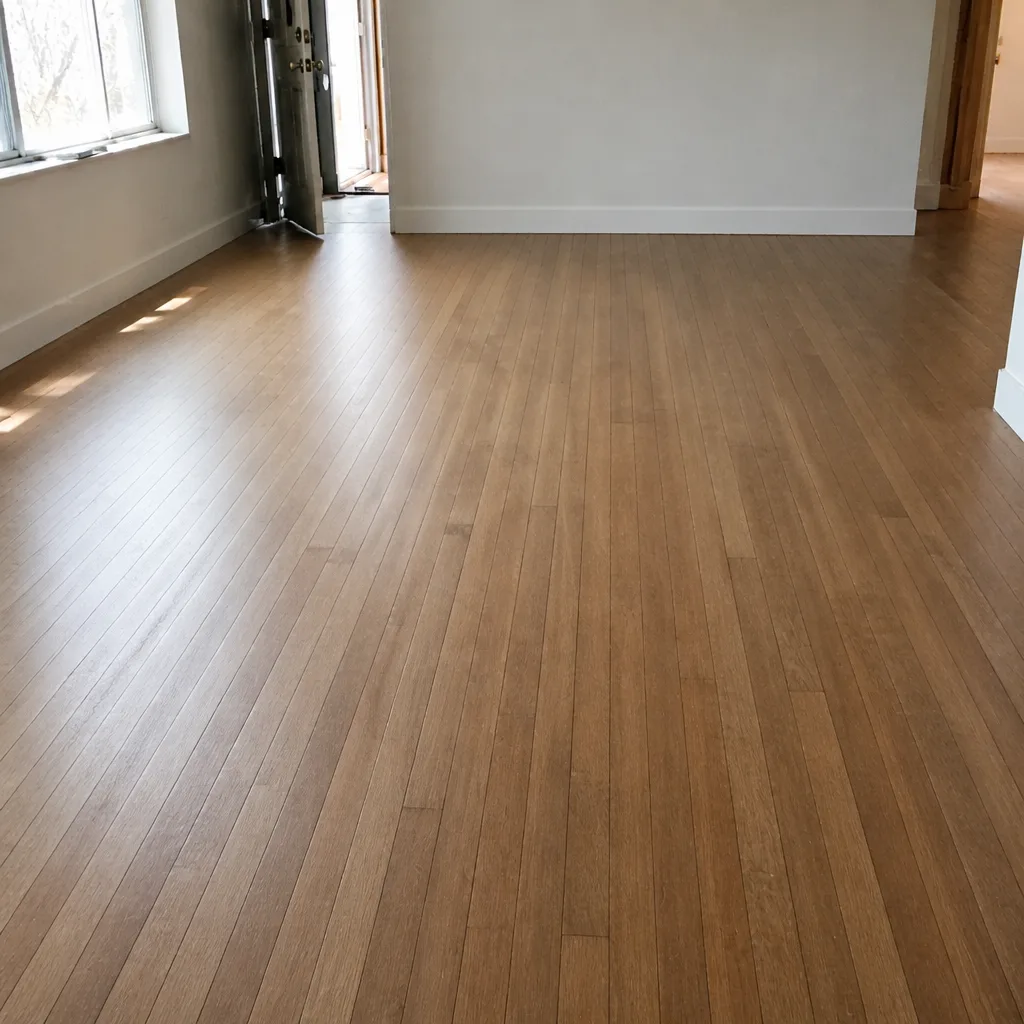 After
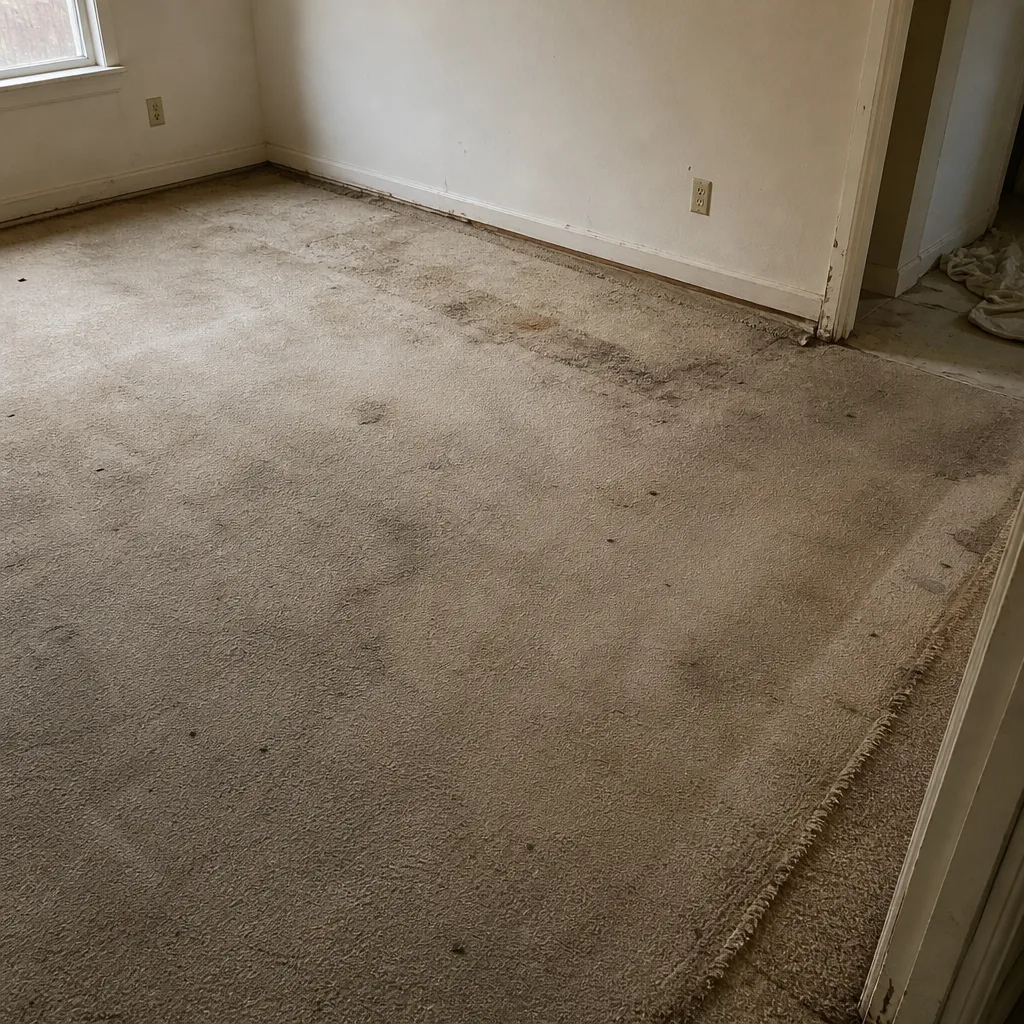 Before
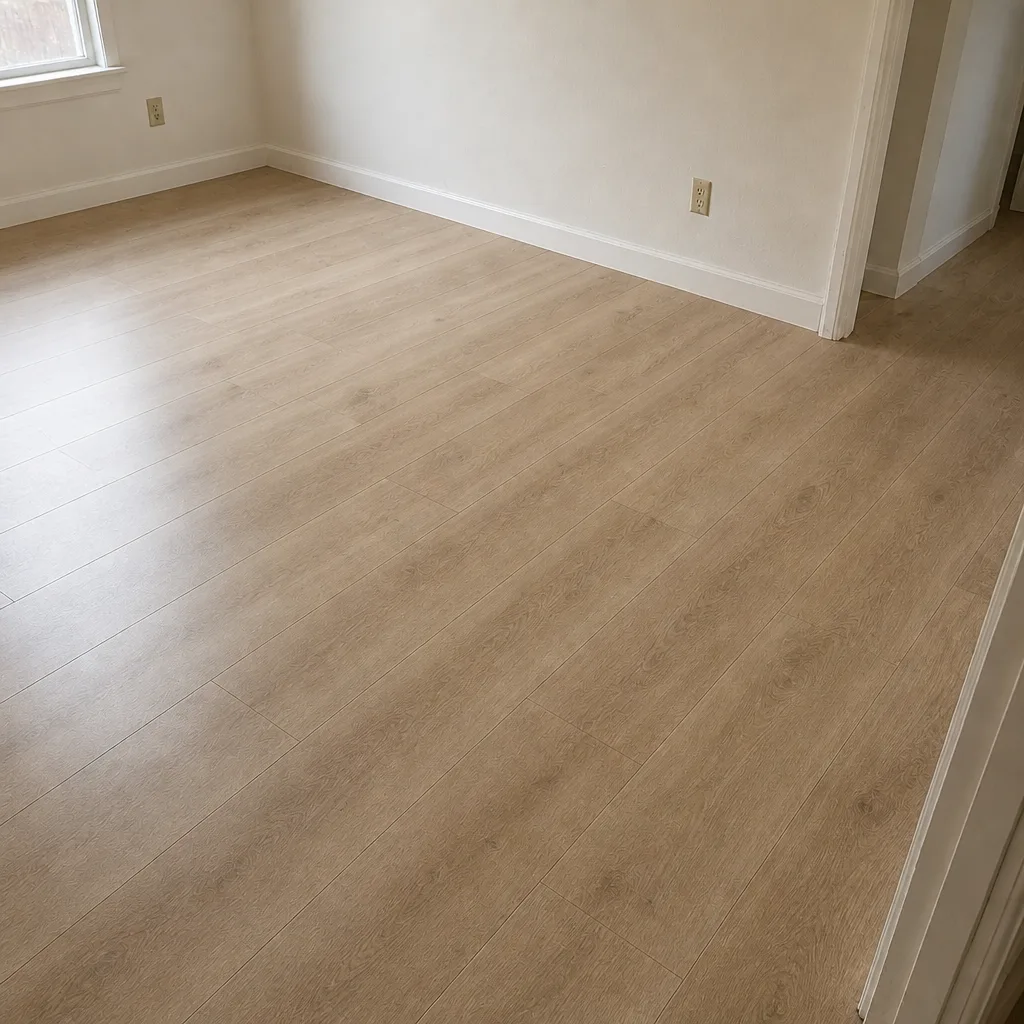 After
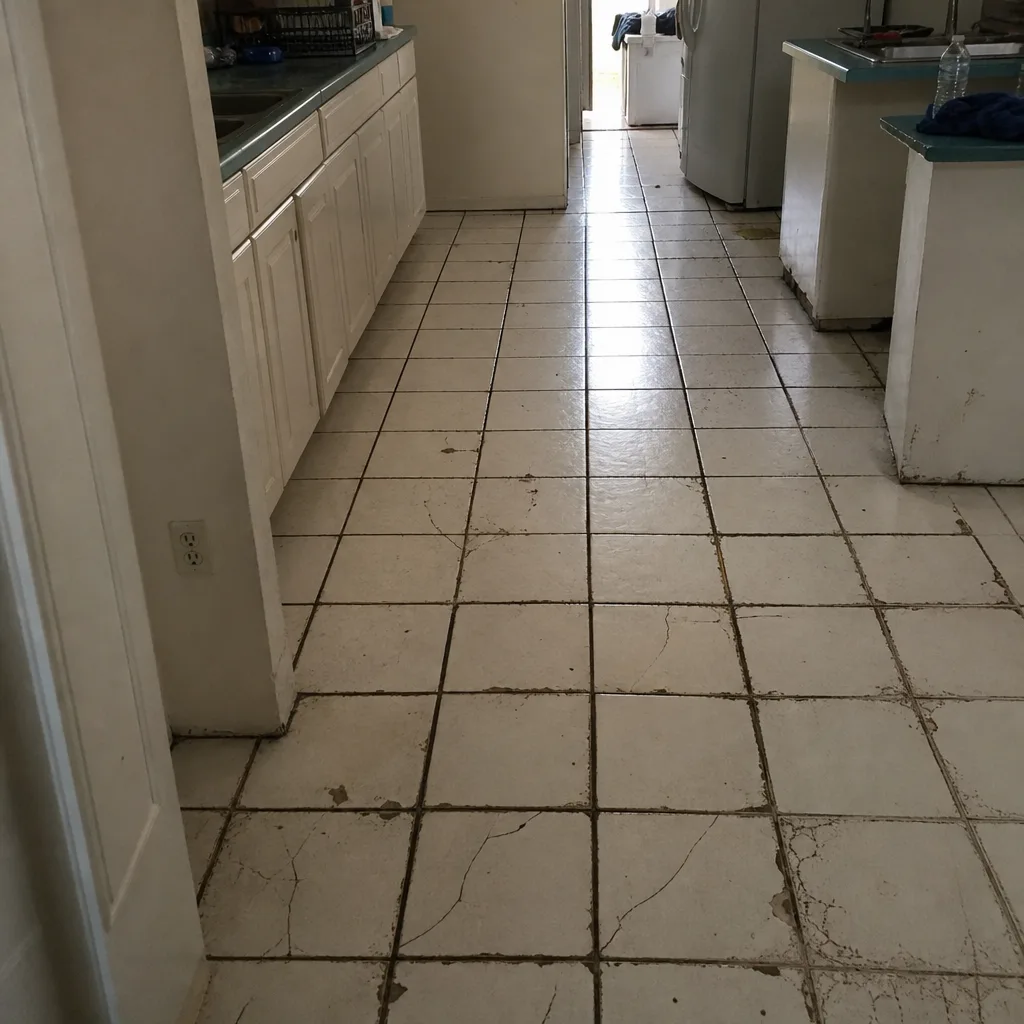 Before
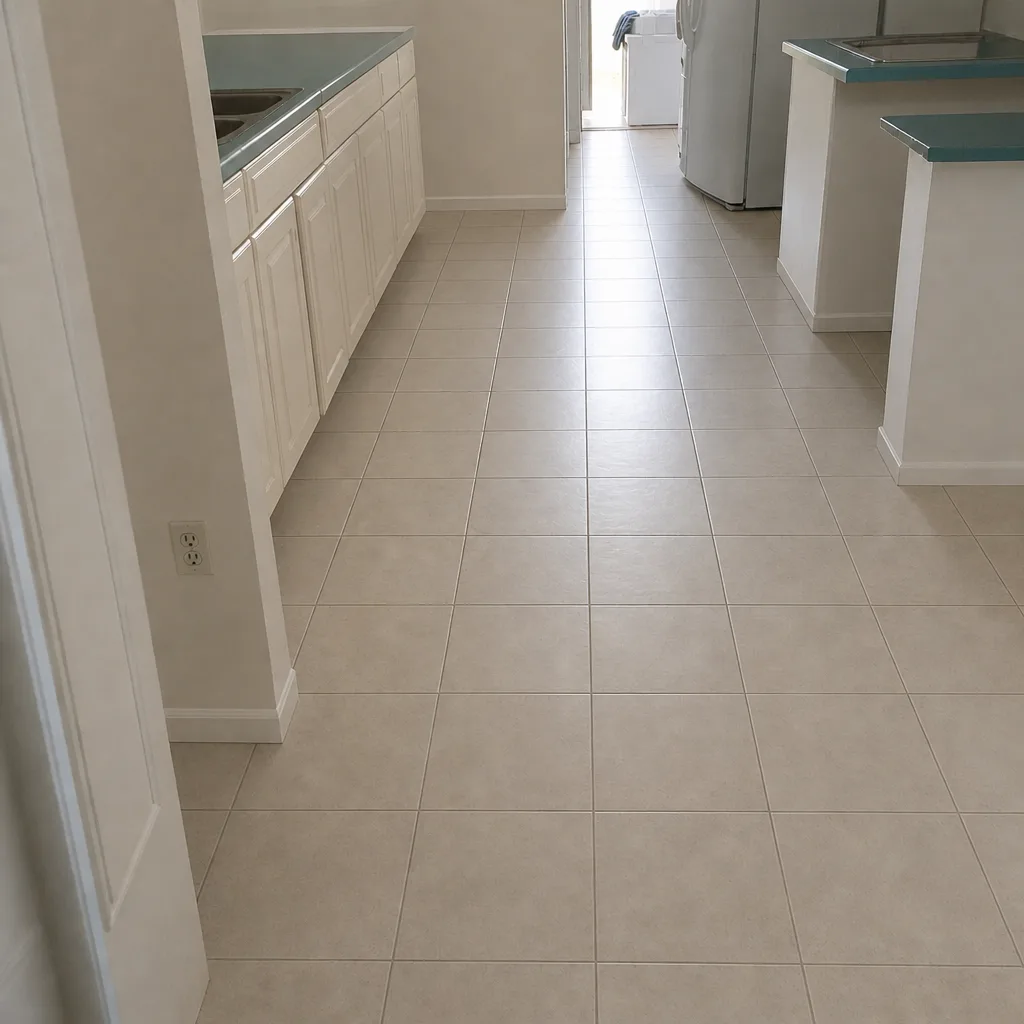 After