
Last updated November 17, 2026
 Hardwood
 Engineered hardwood
 Luxury vinyl plank
 Laminate
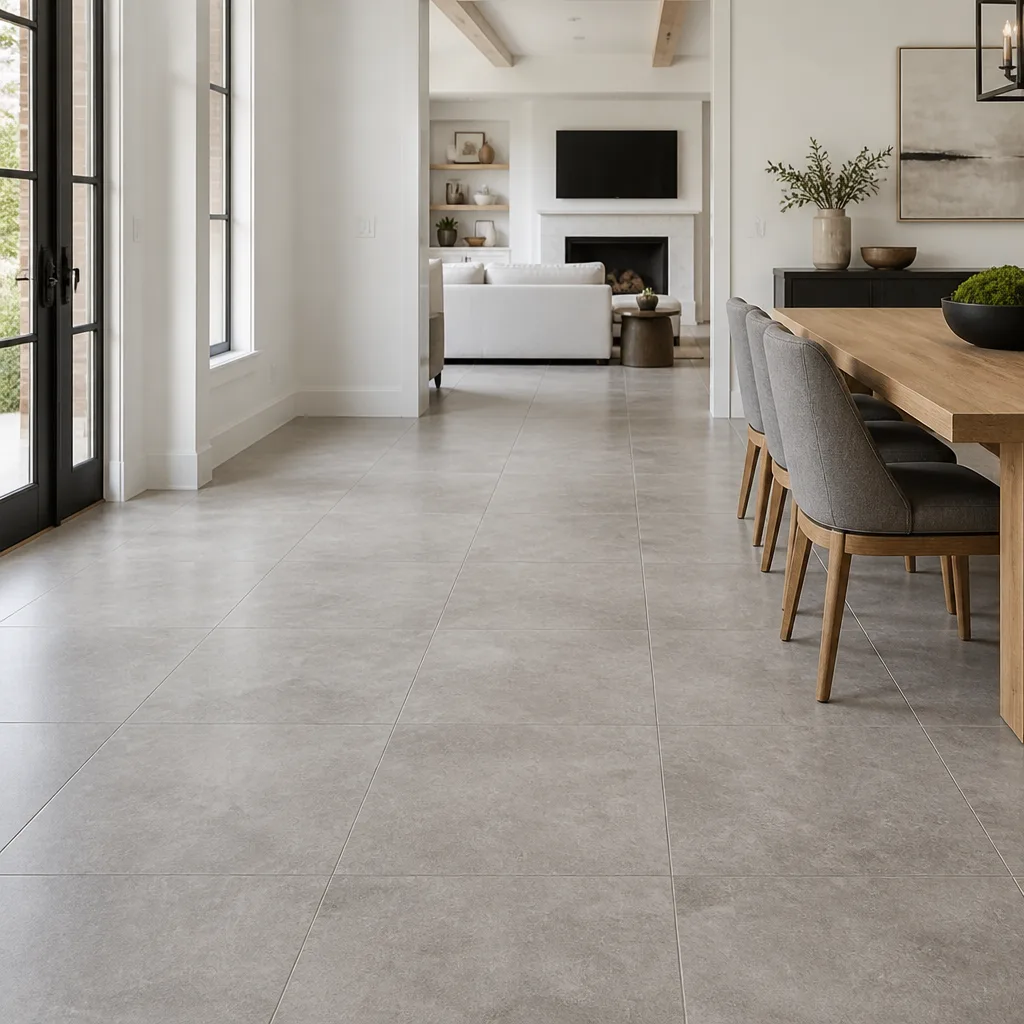 Porcelain tile
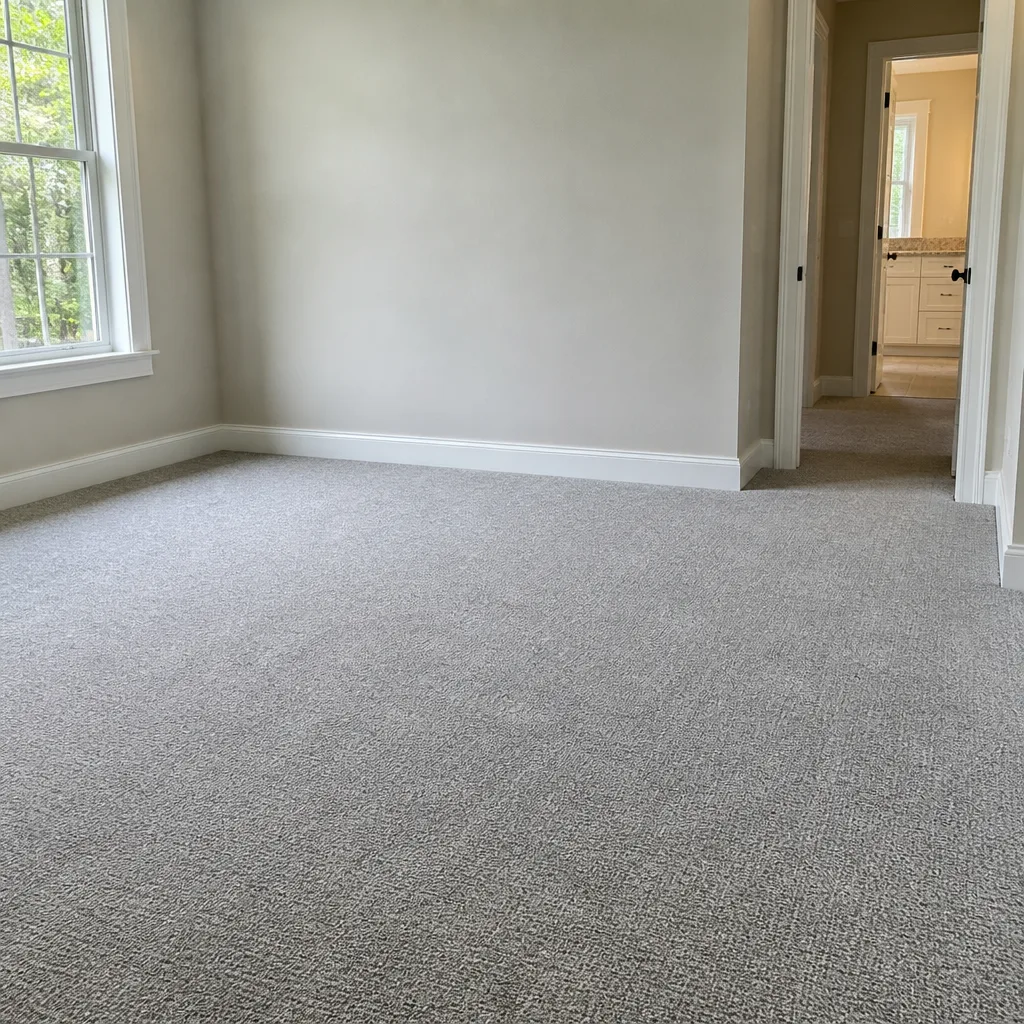 Carpet
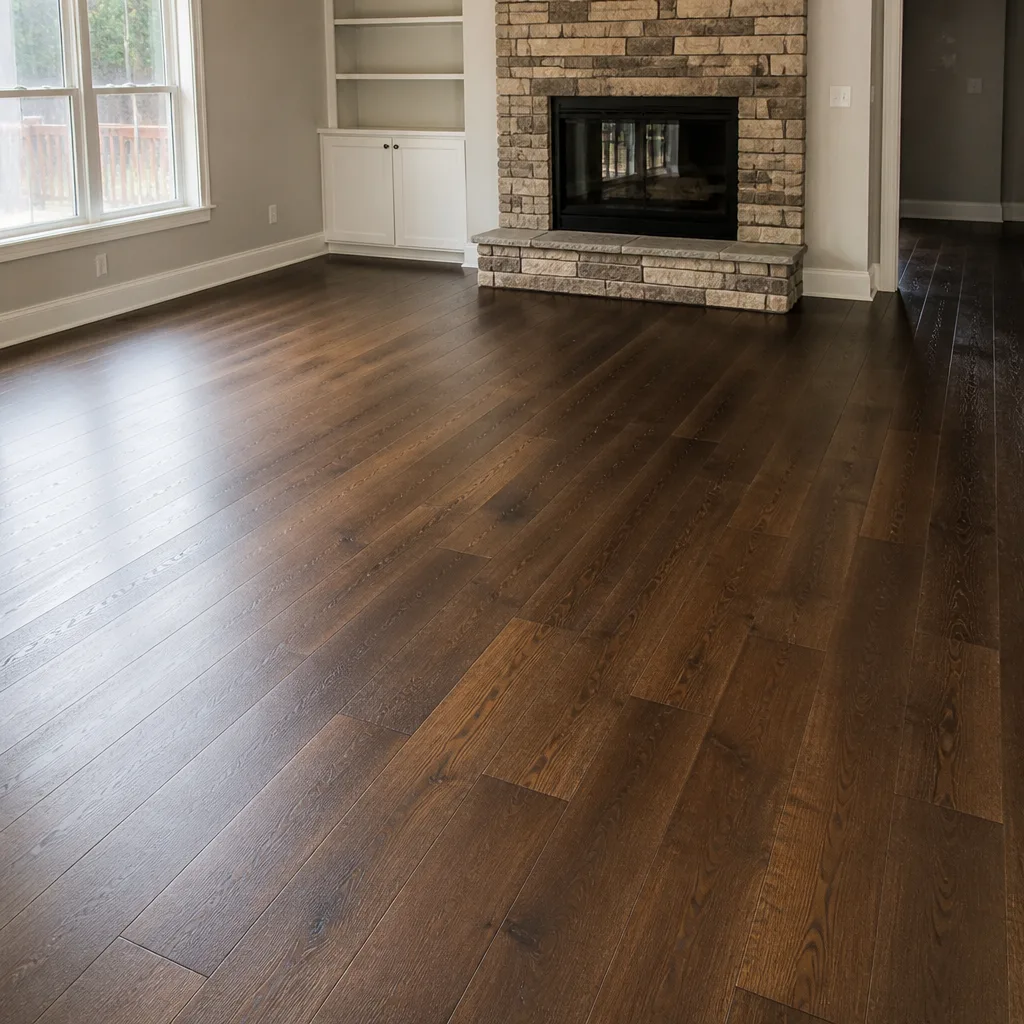 Shaw
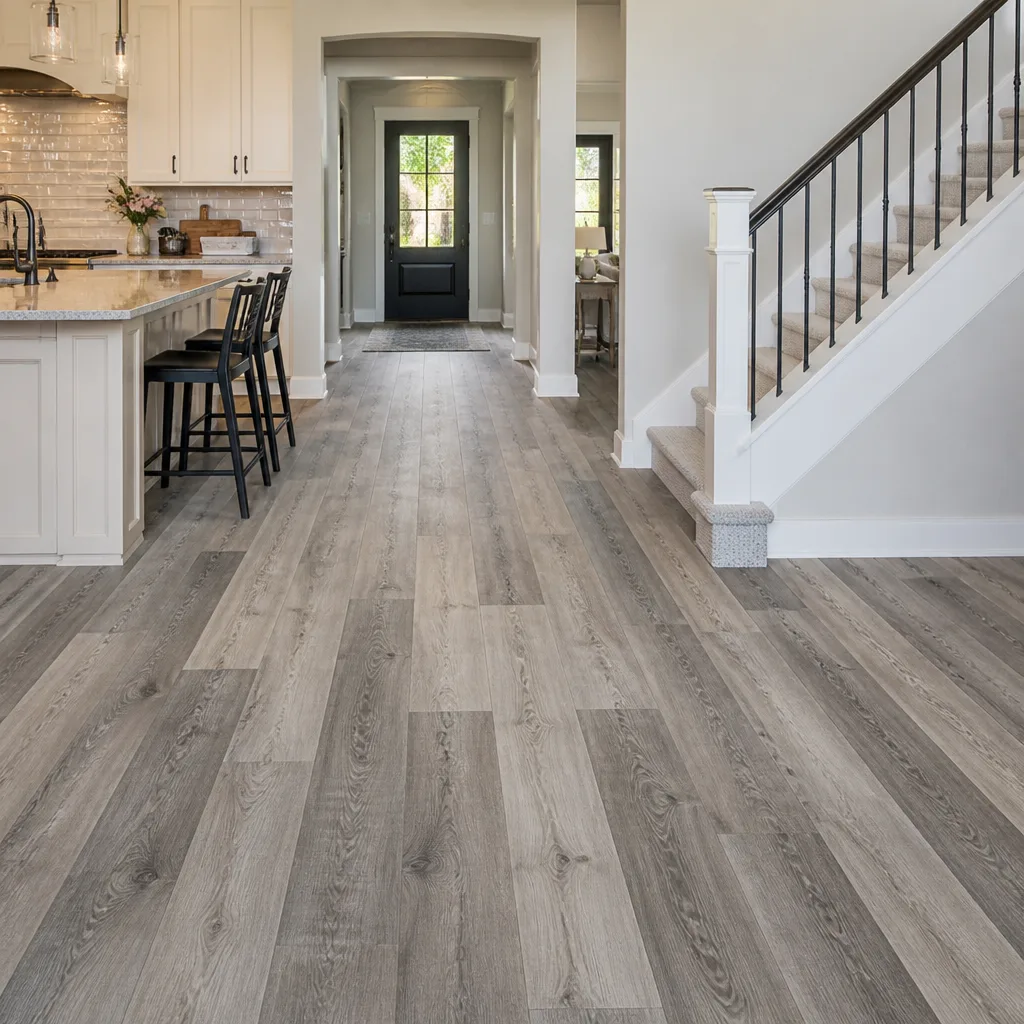 Mohawk
 COREtec
 Pergo
Free in-home measure and written estimate: Shaw, Mohawk, COREtec and Pergo lines compared on your own rooms, with carpet, tile, vinyl plank, laminate and hardwood laid out side by side
Get your free estimateFix It or Start Over: Flooring Repair vs Replacement
A homeowner who patches one cracked tile without checking the hollow spots around it often watches three more fail within a year. The patch usually wasn’t the problem. The thinset underneath had already let go, and nobody checked. That’s the trap with the repair-or-replace question: it looks like a decision about how bad the damage appears, when it’s really a decision about whether the subfloor, the remaining material thickness, and the installation method can support a fix that lasts. Skip those three checks and you pay twice – once for the patch, once for the replacement you needed all along. This guide walks through the diagnostic work that should come before any recommendation in Las Vegas, the numbers behind the call, and the honest triggers for starting over.
Quick Answer
Repair the floor when the subfloor is sound, the remaining wear layer has enough thickness left for the material, and a matching product is still available. Replace it when moisture has reached the subfloor, when the material is too thin to work with, or when the product is discontinued with no compatible match. In Las Vegas, slab movement adds a second question to every repair: whether the fix will crack again in six months.
Styles & brands we work with
- Hardwood
- Engineered hardwood
- Luxury vinyl plank
- Laminate
- Porcelain tile
- Carpet
- Shaw
- Mohawk
- COREtec
- Pergo
Table of Contents
- What a Professional Checks Before Recommending Repair
- When Hardwood Refinishing Is Disqualified
- The Hidden Cost Math of Partial Tile Replacement
- Why Las Vegas Slab Movement Changes the Repair Question
- Carpet: Surface Wear vs. Delamination vs. Dead Padding
- The Honest Replacement Triggers
- What Repair and Replacement Typically Cost in Las Vegas
- A Step-by-Step Way to Make the Call
What a Professional Checks Before Recommending Repair
Three checks decide most repair-versus-replace questions, and none of them can be settled by looking.
- Tap testing for hollow tile. A solid tile sounds dull and tight when tapped with a plastic mallet or the handle of a screwdriver. A hollow ring means the thinset beneath has lost bond. Tapping a two-foot perimeter around every failed tile tells you how far the loss has spread. The tiles that ring hollow are the ones that will fail next, and they’re the reason a one-tile repair sometimes becomes a twenty-tile repair.
- Measuring the remaining wear layer on hardwood. A floor that has been sanded twice has less wood to give than one in original condition. A professional checks the remaining thickness above the tongue with a gauge before promising a sand-and-finish, because the answer changes the recommendation entirely.
- Checking carpet backing for delamination. Surface fuzzing, matting in traffic lanes, and crushed pile are cosmetic. Delamination is structural: the secondary backing separates from the primary, and the carpet is done no matter how good the face looks. Grab a corner of the pile and tug gently. If the backing peels with it, replacement is the honest answer.
We run all three checks during an estimate visit, because the fix that holds depends on what’s underneath the surface. If a repair can’t be supported, we say so, whether the customer called for carpet installation pricing or a single tile patch.
When Hardwood Refinishing Is Disqualified
Hardwood refinishing is the single best value in flooring when the floor qualifies: you keep the wood, you reset the finish, and you pay a fraction of what replacement costs. It’s also the service most likely to be oversold, because a floor that’s been sanded too many times can’t take another pass.
The limit is the wear layer – the wood above the tongue and groove. Every sanding cycle removes material, typically somewhere around a thirty-second of an inch per pass depending on the equipment and the operator. A floor that has been refinished two or three times may be down to the point where another sanding would compromise the structural integrity of the boards. A floor in original condition usually has room.
A professional evaluates three things at the estimate:
- Remaining thickness above the tongue, measured with a gauge, not estimated by eye.
- Existing damage depth – cupping, water stains, and pet damage that penetrates the wear layer won’t sand out.
- Board condition – loose boards, gapping beyond normal seasonal movement, and any areas of rot disqualify the floor for refinishing regardless of thickness.
We offer hardwood refinishing as a dedicated service for a reason. It takes skill, gauges, and the judgment to say no. If the floor qualifies, we’ll say so. If it doesn’t, we’ll quote replacement honestly and let you compare the numbers. What we won’t do is sand a floor that can’t take it and hand you a problem to discover in two years.
The Hidden Cost Math of Partial Tile Replacement
Ten tiles replaced sounds like a small job. Per square foot, it often costs proportionally more than tearing out the whole floor and starting fresh, and there are three reasons why.
Dye-lot matching. Tile is manufactured in dye lots, and a batch made two years after your floor was installed will look slightly different under the same light. Sometimes it’s a subtle shift in tone. Sometimes it’s obvious. The closer the match needs to be, the more limited your product options, and discontinued lines eliminate the possibility entirely.
Adhesive compatibility. The thinset used on newer tile may not bond correctly to the existing mortar bed without surface prep. That prep work – grinding, priming, sometimes a self-leveling skim – is charged per square foot and doesn’t scale down for a small job. The fixed costs of setting up a tile repair dwarf the variable cost of the tiles themselves.
Containment and disposal. A ten-tile repair still needs dust containment, mortar mixing, curing time, and grout matching across the whole patch. The labor to set up a small job and the labor to set up a large one aren’t very different.
In our experience, the break-even point usually falls somewhere in the neighborhood of a quarter of the room. Below that, a careful repair makes sense. Above it, the math of patching and the disruption of having workers back on the same floor twice start to favor replacement. There’s no universal number – the right call depends on what the tap test shows and what product is available – but the shape of the decision is consistent.
Why Las Vegas Slab Movement Changes the Repair Question
Most of Las Vegas is built on expansive clay soils that swell when wet and shrink when dry. The desert does both, dramatically and repeatedly. Under a residential slab, that cycle means the concrete moves slightly, and floors move with it.
On tile, the result shows up as recurring crack patterns. Cracks tend to appear along stress lines that run down the slab, and they reappear in the same places because the underlying soil doesn’t change. Grout repair on those lines is a temporary fix: it looks finished for a few months, then reopens. The only repair that holds is one that addresses the movement – a flexible sealant in place of rigid grout, or a membrane system on a full replacement that decouples the tile from the slab.
On hardwood, the same seasonal wet-dry cycle produces gapping in winter and cupping in summer. A floor that’s properly acclimated and installed with the right expansion space tolerates this. A floor installed tight to the walls doesn’t, and refinishing it won’t fix the problem – the boards themselves are moving.
The Las Vegas climate adds heat: floors near west-facing sliding doors and unshaded windows will register temperatures far above the ambient room temperature, and materials that aren’t rated for it will fade, warp, or fail. When we quote a tile flooring installation, we look at which rooms get full afternoon sun before recommending a product. The right product for a shaded hallway and the right product for a sun-blasted dining room aren’t always the same, and a repair on a floor that was installed without that consideration often fails faster than the original did.
Carpet: Surface Wear vs. Delamination vs. Dead Padding
Carpet is the most repairable floor surface and the most replaceable, and telling the difference comes down to three separate failure modes.
- Surface wear is the pile flattening in traffic lanes and fuzzing at the edges of stairs. The backing is intact and the floor is technically functional; it’s just tired. Stretching, cleaning, or patching a small area is often viable, but if the wear spans multiple rooms, replacement is usually the better use of the money.
- Delamination is the backing separating from the pile. Once the bond is broken, no amount of cleaning, stretching, or spot repair restores it. The carpet will ripple, wrinkle, and fail at seams. Replacement is the answer, and the products we install from Shaw and Mohawk are engineered at the backing level to resist it.
- Dead padding is the silent problem. Foam padding compresses and loses resilience with age, and once the padding is done, no carpet on top of it will feel or perform right. Replacing carpet over dead padding wastes the new carpet. When we quote a carpet replacement, we quote the padding. If a customer just had carpet installed elsewhere and it feels flat, the padding is usually the reason.
In Las Vegas, carpet in sun-exposed rooms and under furniture set against west-facing windows will fade visibly faster than the rest of the floor. Fading isn’t a repair candidate. If the color loss is severe, replacement with a product rated for UV exposure is usually the better move.
The Honest Replacement Triggers
Some conditions make the repair-or-replace decision for you. Each of these is a case where we’d be doing the customer a disservice to patch:
- Moisture damage reached the subfloor. A slab that’s damp, chalky, or shows efflorescence isn’t a surface problem, and putting a new floor over it without addressing it just delays the failure. The subfloor has to be dealt with before any floor goes down.
- Carpet padding has collapsed structurally. If the padding fails the resilience test – it doesn’t spring back when you press it – it’s done, and the carpet on top of it will be too.
- The product is discontinued and there’s no compatible match. Tile, vinyl, laminate, and hardwood lines get discontinued regularly. When the line is gone and no dye lot is available, every repair is a visible patch, and the floor’s resale value drops accordingly.
- The floor has been refinished to the thickness limit. A hardwood floor at its minimum wear layer has no repair path left.
- Water damage has spread across seams. When a spill, leak, or appliance failure has been absorbed through the seams of any floating floor, the boards have swollen and won’t return to shape. Individual plank replacement works only when the affected planks can be removed and replaced with product of matching thickness.
Karndean and COREtec have made real progress in water resistance, and some luxury vinyl now handles what would have destroyed a floor ten years ago. But no product is immune to standing water or moisture rising from the slab, and we won’t call any floor waterproof. A repair that ignores a moisture source fails no matter how good the product is.
What Repair and Replacement Typically Cost in Las Vegas
These are typical estimated ranges for Las Vegas, not a quote. The written estimate sets the final price, and the final price depends on the specific floor, the room size, and what the diagnostic checks find.
| Job | Typical cost range (Las Vegas) | Notes |
|---|---|---|
| Single tile replacement (tile + labor + thinset) | $220 – $480 | Higher when the repair requires surface prep or dye lot matching |
| Grout repair or regrout (single room) | $340 – $1,100 | Temporary on active crack lines from slab movement |
| Hardwood refinishing (per square foot) | $3.50 – $7 per sq ft | Only if the wear layer check passes |
| Carpet replacement with new padding (per square foot) | $4 – $8 per sq ft | Product line, padding grade, and room size drive the range |
| Tile replacement (per square foot, full room) | $8 – $16 per sq ft | Includes tear-out, prep, setting, and grouting |
The comparison that matters isn’t repair cost against replacement cost. It’s repair cost plus the probability of a second repair, against replacement cost. A $400 tile patch that fails in eighteen months, followed by a $3,000 partial replacement, costs more than the $5,500 full replacement would have from the start – and takes more of the customer’s time. We run the math honestly on every estimate, because the right answer isn’t always the more expensive one.
On a room that’s a candidate for replacement with new product, the Floors Las Vegas portfolio spans nine brands – Shaw, Mohawk, COREtec, Karndean, Pergo, LifeProof, Mannington, Armstrong, and Daltile – which means we can usually source a Las Vegas-appropriate product without the customer having to visit a second supplier. That’s not a sales pitch; it’s the reason we can present the honest comparison between repair and replace in one visit.
A Step-by-Step Way to Make the Call
Here’s the sequence we recommend for a homeowner working through this decision:
- Identify the failure. Is it surface damage, structural failure, or installation failure? The answer determines the repair path. Surface damage is often fixable. Structural failure and installation failure usually aren’t.
- Check the subfloor. Any moisture, movement, or softness under the surface has to be assessed before the repair can be planned. A repair over a failing subfloor fails with it.
- Measure what’s left. For hardwood, that’s the wear layer above the tongue. For tile, it’s the extent of hollow spots. For carpet, it’s whether the padding is still alive.
- Confirm product availability. Can you still get the same product or a close match? If the line is discontinued, price out the visible patch honestly.
- Compare the whole cost. Repair cost plus expected repeat repairs against replacement cost plus disruption. The replacement number is often closer than it looks once repeat repair is factored in.
- Get a written estimate. Ours is free, and the price is set by the written estimate after the checks above.
That sequence takes about an hour to walk through in person and five minutes on the phone with a customer who’s already done the first three steps. Either way, we’d rather spend the hour than see a floor patched and then replaced.
Common Mistakes to Avoid
- Patching one tile without checking the neighbors. A hollow ring around a failed tile means the thinset has lost bond over a wider area. Fix the tile in isolation and the neighbors fail within the year.
- Sanding a hardwood floor without measuring the wear layer. A floor that’s been refinished two or three times may not have another pass in it. Measuring prevents the mistake.
- Replacing carpet without inspecting the padding. New carpet over dead padding feels flat on day one and looks tired within two years. Replace padding with carpet or don’t replace either.
- Trying to match a discontinued product with a newer line. Dye lots and product lines move, and a mismatched patch is more visible than a clean tear-out.
- Grout repair on an active crack line. In Las Vegas, the cracks follow the slab, and the slab doesn’t change. Use a flexible sealant or plan a membrane system for the replacement.
- Laying a new floor over moisture problems. A damp slab will pass moisture up into any floor. Test first; address the source before the product.
- Assuming the cheaper option is the smaller one. A patch that costs half of a replacement and fails twice is more expensive than the replacement.
See the difference
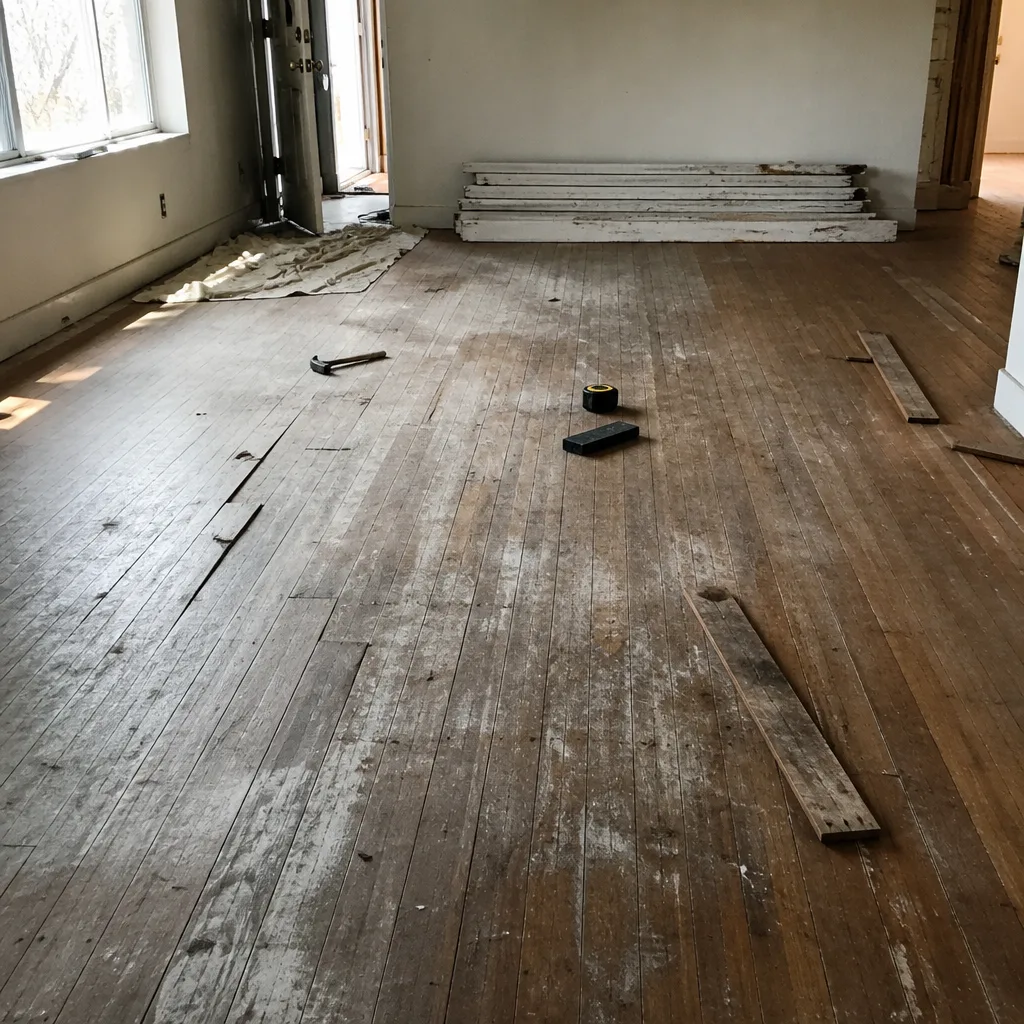 Before
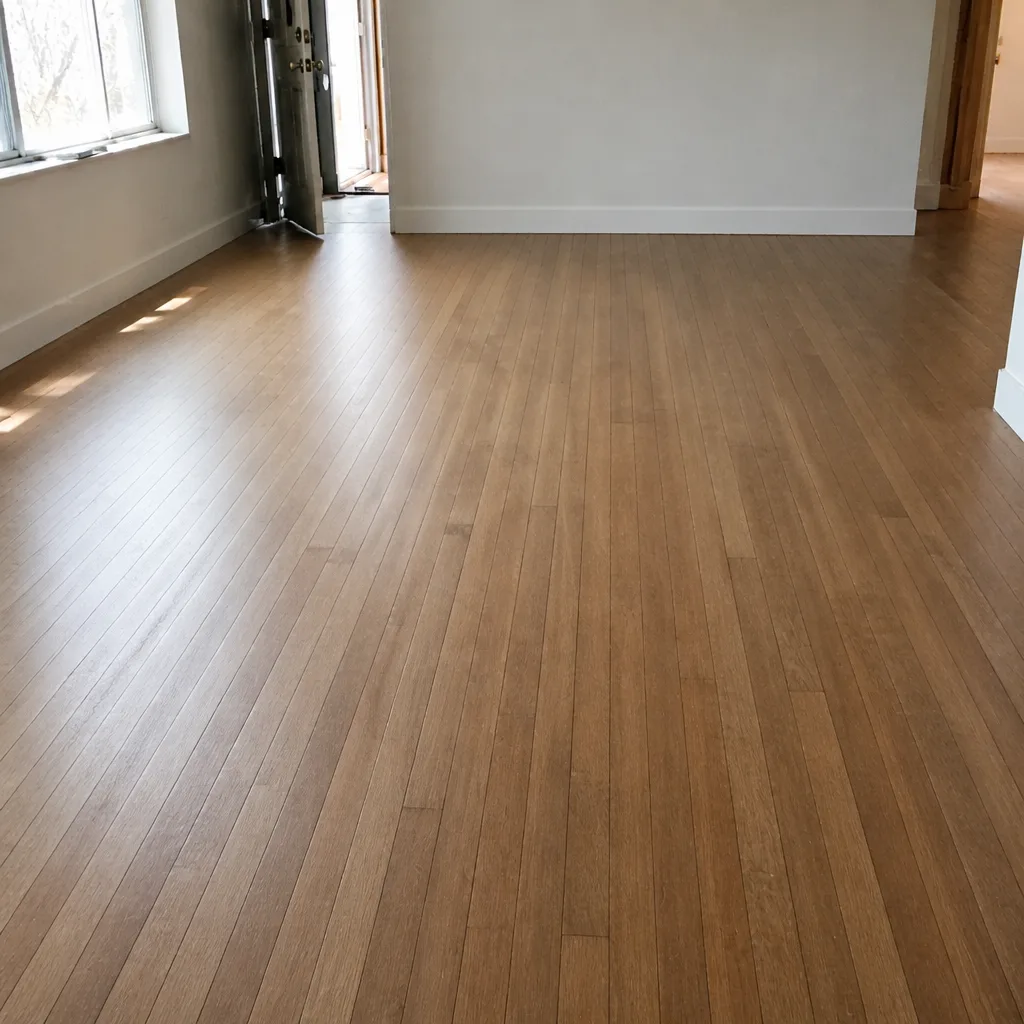 After
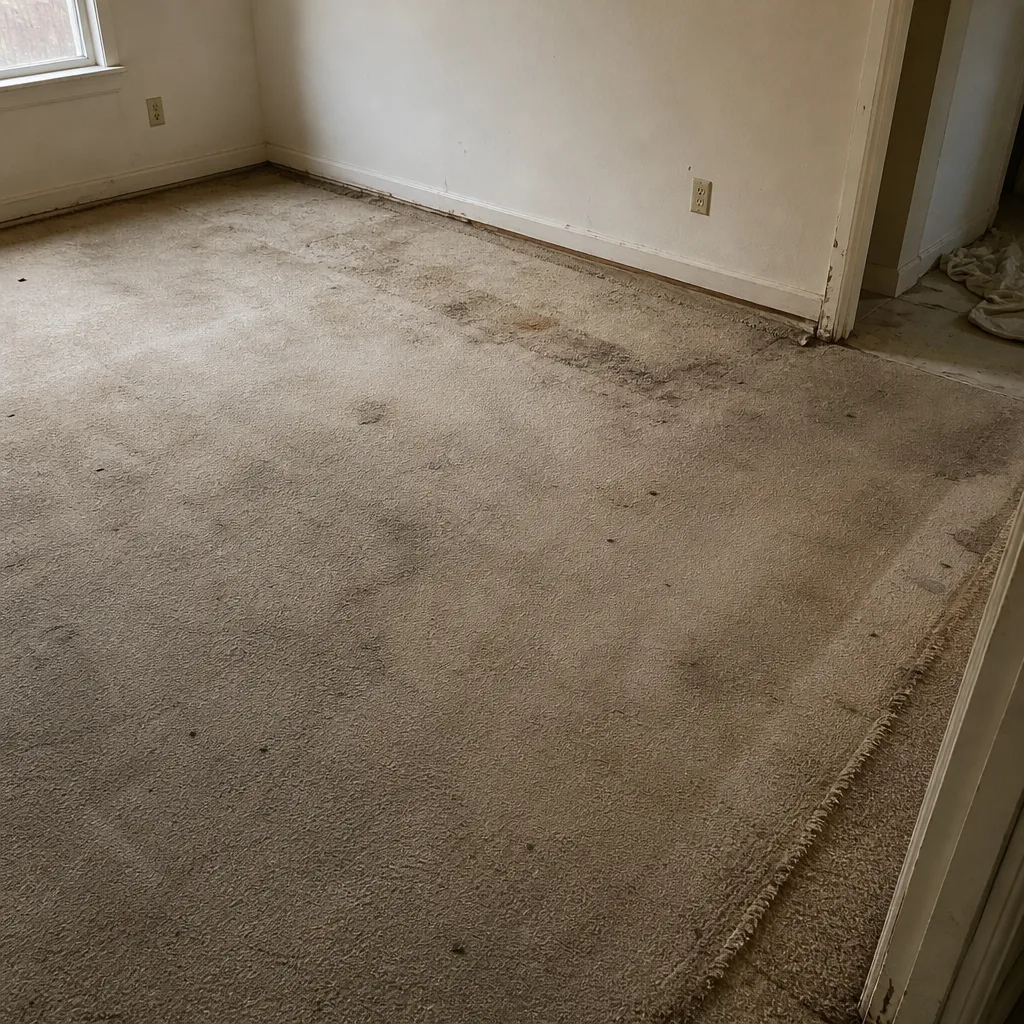 Before
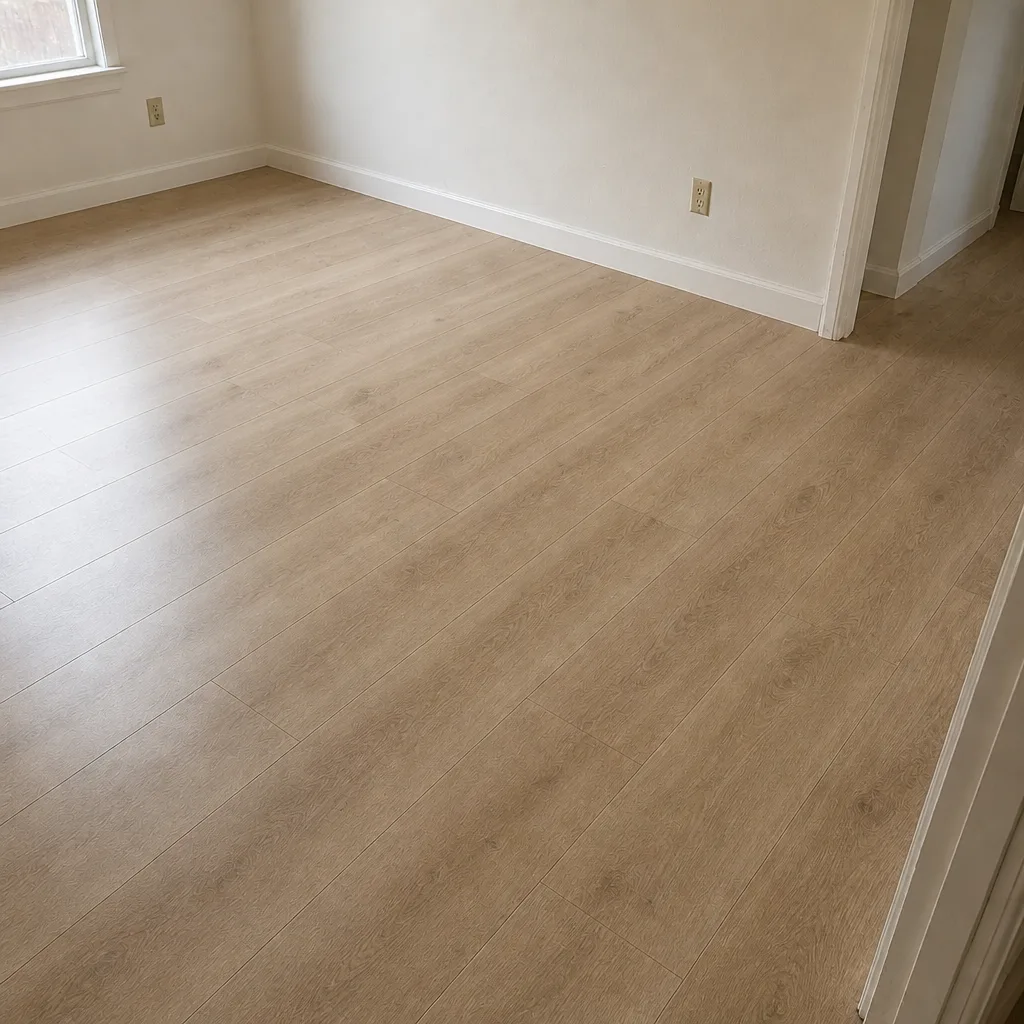 After
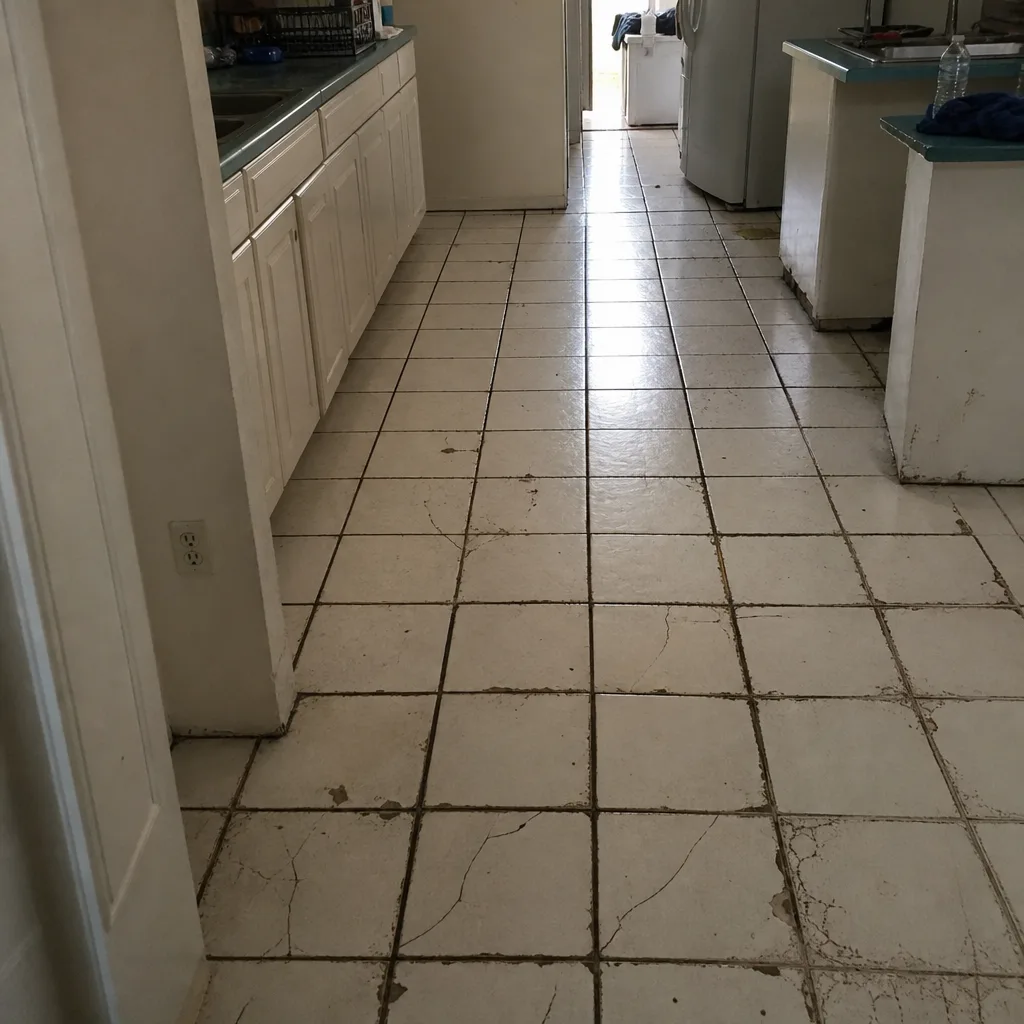 Before
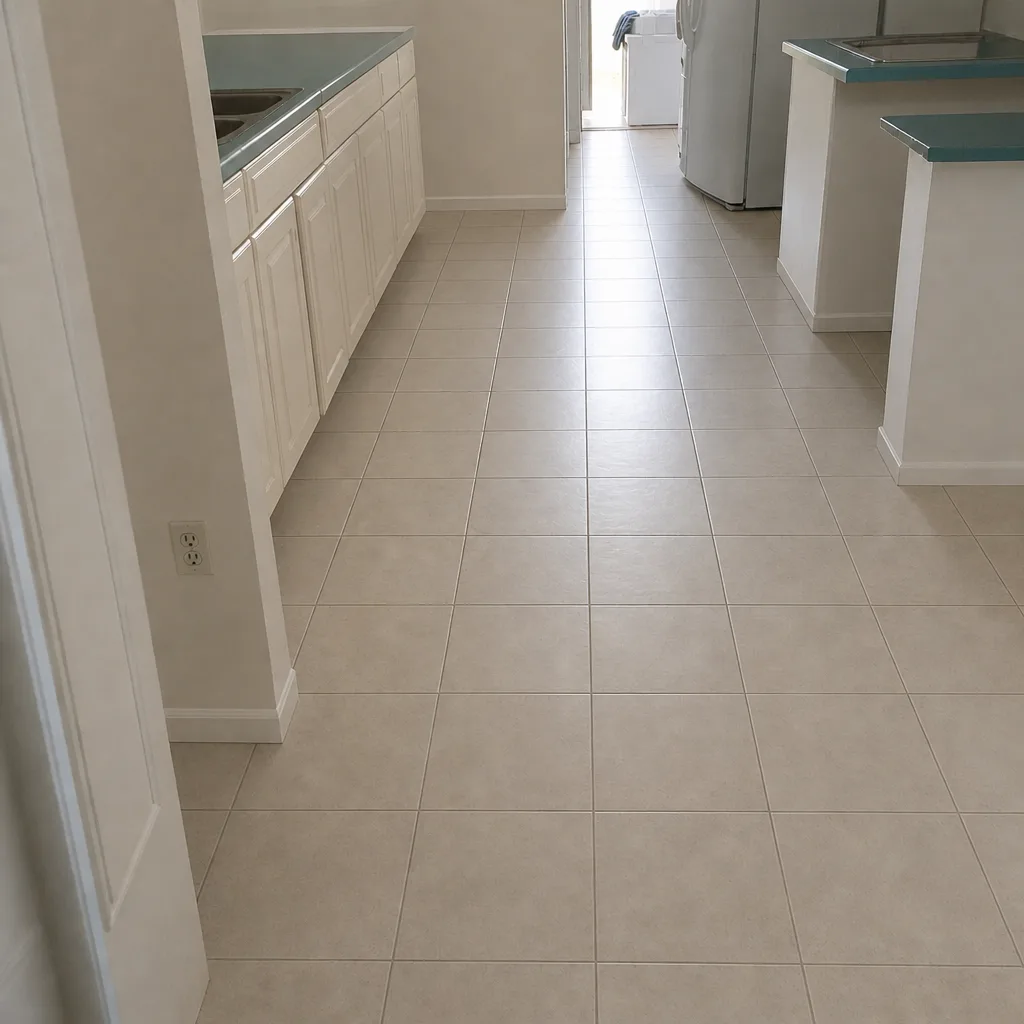 After
When to Call a Professional
Call a professional when the damage involves the subfloor, when a hardwood floor’s wear layer needs measuring with a gauge, when more than a handful of tiles ring hollow, when moisture is anywhere near the slab or underlayment, or when a repair keeps coming back. These are the cases where a wrong call costs the most, and a trained eye saves the most money. Our technicians have up to 11 years of experience across the three surface types we service – carpet, tile, and hardwood refinishing – and they run the diagnostic checks on every estimate, whether the eventual recommendation is repair or replacement.
Floors Las Vegas offers free estimates in Las Vegas. Call (844) 761-9353. We answer 24/7. Fast dispatch from 7am to 7pm, Sunday through Friday.
Frequently Asked Questions
Repair is almost always cheaper on a single job, but replacement often wins on total cost when repairs are likely to repeat. A tile patch that fails in a year and triggers a partial replacement usually costs more than the full replacement would have. Run the comparison over a three-to-five-year window, not on the day of the estimate.
No. Refinishing requires enough remaining wear layer above the tongue and a floor with no rot, no loose boards, and no damage that penetrates past the wood surface. A gauge measurement at the estimate gives the answer. Some floors can be sanded again; some can’t.
The cracks follow stress lines in the slab, and the slab is responding to the wet-dry cycle of local expansive clay soils. Grout repair on an active crack line reappears in months. A flexible sealant or a membrane system installed during replacement holds.
If the pile is matted in traffic lanes but the backing is intact, cleaning and stretching may bring it back. If the backing separates from the pile when you tug the corner, or if the padding doesn’t spring back when you press it, no cleaning will save it.
Sometimes – if the tile line is still available, the dye lot matches, and the hollow spots are localized. In our experience, when the affected area exceeds about a quarter of the room, the fixed setup costs and the repeating disruption make full replacement the better financial choice.
Not if the moisture source is still active. COREtec and Karndean luxury vinyl handle water better than older products, but no floor is waterproof against standing water or moisture rising from the slab. Address the moisture first; then the product question has a chance of mattering.
Call (844) 761-9353 for an exact quote. Estimates are free.
The Bottom Line
The repair-or-replace call is a diagnostic question, not a cosmetic one. Tap testing, wear layer measurement, and backing inspection tell you what the eye can’t, and in Las Vegas the slab’s seasonal movement adds a second question every repair has to answer. When the subfloor is sound, the material has life left, and the product is still available, repair usually holds. When any of those fail, the honest answer is replacement, and the honest conversation is about what it costs, not whether it’s necessary. We run the checks, present the math, and stand behind the recommendation with a written estimate.
Call (844) 761-9353 to schedule your free estimate. We answer 24/7. Fast dispatch from 7am to 7pm, Sunday through Friday.
Written by the team at Floors Las Vegas.